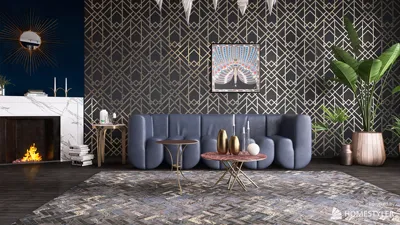


Having organized and conceptualized numerous large-scale events—from weddings to corporate openings—I've found that Balmukund Banquet Hall presents endless possibilities for various gatherings. The main objective is to transform its spatial capabilities into a seamless experience for guests, emphasizing a natural flow, well-adjusted lighting and sounds, plus materials that withstand high use. Begin by assessing capacity, movement, and zoning, and then design an atmosphere that aligns with your brand or celebration using tools like Homestyler for optimal layout visualization.
There's solid evidence supporting the importance of guest experience. According to Gensler’s Workplace Research, effective environments lead to higher satisfaction and efficiency, principles that extend to events by ensuring clear navigation and well-defined areas. The WELL v2 guidelines recommend achieving a lighting level of around 300–500 lux for general functionalities, reducing glare and allowing for tunable color temperatures which enhance comfort and focus—particularly crucial during important events like speeches and ceremonies. This analytical approach makes our design choices both precise and impactful.
Lighting serves more than just practical purposes; it also creates emotional connections. Insights from Verywell Mind highlight that warm tones can bring forth feelings of intimacy and vitality, while cooler colors can convey tranquility and concentration. At Balmukund, my intention is to use warm lighting in the range of 2700–3000K during receptions for a soft look, then switch to 3500–4000K for speeches to ensure clarity. I incorporate ambient lighting along with focused accents for specific areas such as stages and buffets, all while mitigating glare with diffusing methods like louvers or lensing.
Entrance, Arrival, and First Impressions
Guests form initial impressions within moments of arrival. To ensure a positive start, I utilize visual elements: a broad, organized entrance, an effective signage layout, and an inviting lighting wash at 150–200 lux that elevates as they approach the main area. It's essential to have a reception desk or check-in space that serves as a focal point. If upgrades are necessary for enhancing flow, a layout simulation tool such as Homestyler can be invaluable for assessing queue lengths, potential bottlenecks, and visual lines before finalizing changes.
Core Layout: Zoning the Hall for Function and Energy
By dividing the Balmukund Banquet Hall into designated zones—such as the stage, dining area, bar, lounge, and service paths—I can optimize its function and energy levels. I typically advocate for a spatial ratio of 60% dining, 30% circulation, and 10% support, adjusting these as needed based on the number of attendees and the event type. Main circulation pathways should measure at least 1.8–2.0 meters wide to facilitate two-directional traffic, especially in formal attire. For mixed-format events, introducing a transition area near the bar will help manage crowd density during table transitions. Leveraging an interior layout planner, perhaps utilizing Homestyler, helps refine seating arrangements while ensuring comfort with sufficient space between tables.
Seating Strategies: Comfort, Sightlines, and Social Dynamics
Strategizing seating involves a blend of ergonomics and insights into social behavior. It's critical to maintain clear visual lines to the stage—taller décor should be positioned toward the perimeter or on alternating tables at lower heights. Each seat must have a direct audio path; therefore, avoiding symmetrical hard surfaces that could cause sound reflection is vital. Prioritizing banquet chairs with an average height of approximately 450mm and adequate lumbar support provides significant comfort for guests during long events. VIP sections should feature roomier aisles to allow ease of movement and discreet service.
Lighting Design: Layers, Color Temperature, and Dimming Logic
I employ a layered approach to lighting, which includes ambient illumination, task lighting for areas such as buffets and podiums, accent lighting for decorative features, and artistic lighting elements. During social interaction, I recommend ambient light levels in the range of 2700–3000K; for podium visibility, I suggest 3500–4000K to enhance facial recognition in photos and video. The general ambient lighting should stay around 200–300 lux during dining and increase to 350–500 lux for speeches in accordance with WELL v2 recommendations. Implementing a gradual dimming curve allows for adjusting lighting from pre-ceremony, during the event, and winding down for after-parties, ensuring no harsh contrasts detract from the guest experience.
Acoustic Comfort: Speech Intelligibility and Music Balance
Acoustic design is essential for enhancing the event experience. It's best to choose a sound system that provides uniform coverage and to manage reflections early on by using soft finishes like drapery and upholstered panels. Subwoofers should be placed away from corners to prevent unnecessary bass buildup. During mingling, maintaining background music levels around 55–65 dBA allows for comfortable conversations, while it can be raised during dancing. Clear audio is paramount for speeches; thereby, it's important to minimize echo with absorptive panels and to avoid having parallel hard walls.
Material Selection: Durability, Cleanability, and Brand Expression
In banquet halls, durability is key. This means opting for stain-resistant table linens, upholstery designed for high-traffic use, and non-slip flooring in service areas. Infusing your event identity through sophisticated color accents is important; choosing warm neutrals creates a refined atmosphere, rich jewel tones convey drama, while a monochrome palette lets floral arrangements and lighting become the focal points. Where finishes are fixed, using Homestyler can help plan for modular decor and lighting gels that transform the mood without extensive renovations.
Circulation and Back-of-House: Service Drives Experience
Quality of service resonates with guests, even if it isn't visible. It's crucial to outline staging areas for catering, AV equipment, and storage near discreet access points to keep service flow efficient. A dedicated service loop should be in place to avoid interference with main guest pathways. Planning for waste, floral arrangements, and rentals should occur during times that prevent overlaps with guests. Testing any rearrangements with an interior layout planner like Homestyler can help to visualize staff movements and ensure emergency pathways are clear.
Food and Beverage Stations: Placement, Power, and Sanitation
Buffets and bars are focal points of energy. Their placement should be strategic to avoid blocking views of critical moments. Ensuring a clearance of 1.2–1.5 meters around buffet edges allows for orderly queuing, with task lighting set at 300–400 lux to maintain visibility of dishes. It’s critical to ensure there are power sources for hot stations and refrigeration, with cords strategically routed to avoid traffic areas. Hand-sanitizing stations at entrances and near food services bolster guest confidence and help minimize restroom bottlenecks.
Technology and AV: Reliability First
Simplicity and robustness are key qualities for AV systems: opting for hardwired connections when possible, testing microphones for feedback zones, and positioning screens for optimal sight lines from seating clusters. A detailed cue sheet for lighting changes and audiovisual transitions helps streamline operations. Recording a brief rehearsal can assist in checking visual exposure, color temperatures, and audio clarity before the live event.
Timeline and Staffing: Orchestration Beats Improvisation
A meticulously crafted run-of-show is pivotal for a successful event. Locking in a comprehensive schedule for arrivals, transitions, speeches, and service times ensures smooth operation. It's essential to prepare the staff regarding zones, guest types, and possible contingency plans. Including 10–15 minute buffers around complex transitions like cake servitude or award presentations allows flexibility. Keeping communication channels clear with defined radio codes helps reduce reaction times during unforeseen shifts.
Sustainability and Safety: Responsible Events Feel Better
Emphasizing sustainability, we should favor reusable decor elements, LED lighting for energy efficiency, and locally sourced floral arrangements to reduce transportation impact. Properly managing waste with clearly labeled bins and sorting areas backstage is crucial. Emergency pathways must always be marked and kept clear; rehearsing evacuation with staff helps ensure readiness. Small details, such as slip-resistant mats at entries and clear lighting on stage stairs, contribute significantly to preventing accidents during events.
Color Psychology and Brand Messaging
Color plays a vital role in establishing mood. Warm whites and amber highlights foster connections at weddings, while cooler, more polished tones are fitting for product launches. Color can be used strategically to influence behavior; for example, using brighter, cooler lights at information desks commands attention, while warmer tones near lounges create inviting spaces for guests to relax. It's important to coordinate the color palette with invitations, signage, and digital materials to ensure a cohesive experience from arrival to the after-party.
Final Checklist: Making Balmukund Banquet Hall Work Hard for You
- Verify guest capacity by table type; utilize a room design visualization tool like Homestyler for checking sightlines and ensuring service clearance.
- Finalize lighting settings: warm ambience for receptions, neutral to bright for programs, and softer tones for after-parties.
- Assess acoustic treatments to guarantee speech clarity and balanced sound coverage.
- Plan service corridors to maintain a distinct separation between guest activities and staff workflows.
- Confirm AV layouts, power requirements, and review all rehearsal materials thoroughly.
- Implement sanitation stations and waste management systems; ensure safety signage is prepared.
- Train staff properly and finalize the structured run-of-show, incorporating necessary buffers.
FAQ
Utilize 60–72 inch round tables seating 8–10 guests each. Ensure a clear space of 1.5–1.8 meters between table centers for comfortable chair movement and service access. This approach promotes guest comfort and helps minimize crowding issues.
For receptions, sustain lighting levels between 200–300 lux at 2700–3000K to create warmth, and elevate this to 350–500 lux at 3500–4000K during speeches for improved visibility and camera aptitude, adhering to WELL v2 guidelines.
Incorporate soft materials—such as draperies and carpets—to assist in reducing sound reflections near the stage. Position speakers strategically for uniform audio distribution and steer clear of parallel hard surfaces to prevent flutter echoes.
Plan main aisles to be 1.8–2.0 meters wide, accommodating two-way traffic in formal attire comfortably. Secondary pathways can maintain widths of 1.2–1.5 meters as long as they do not intersect with service corridors.
2700–3000K lighting is flattering for skin tones during social segments, while staging with 3500–4000K enhances clarity during speeches. Ensure color accuracy is high (CRI 90+) to prevent color distortion in floral arrangements and guest attire.
Position the food and beverage stations alongside peripheral areas that offer clear views to the stage, maintaining a spacing of 1.2–1.5 meters for linear queuing. Avoid situating stations at congested thoroughfares or entrances.
Integrate a transition area close to the bar to handle guest density, switch table setups during brief segments, and keep a direct central aisle for guiding guests from cocktail settings to dining areas.
Maintain audio levels around 55–65 dBA, allowing guests to converse without strain. Increase volumes selectively during dance segments, then lower for speeches to enhance clarity.
Establish a neutral base for decor and express branding through strategic lighting gels and signage details. Use color intentionally to guide behavior: cooler tones near information hubs and warmer near casual lounge areas.
Designate zone leaders, a floor manager, and a dedicated AV technician. A detailed run-of-show should include 10–15 minute buffers around significant transitions like cake ceremonies or award announcements.
Incorporate LED lighting, reusable decor elements, locally sourced flowers, and well-labeled waste disposal systems to maintain a polished look while minimizing environmental impact.
Utilize a layout simulation tool like Homestyler to evaluate seating, traffic patterns, and service flows, followed by staff rehearsals for confirming timing and sightlines during key moments of the event.
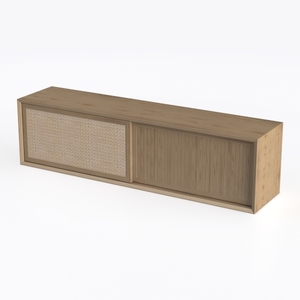
Minimalist Oak Rattan TV Cabinet 3D Model
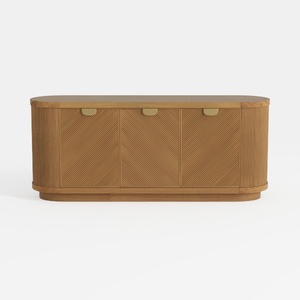
Modern Minimalist Solid Wood Fluted Sideboard with Brass Accents 3D Model
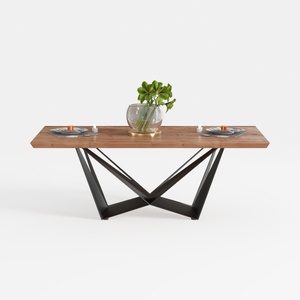

Modern Industrial Table with Heavy-Duty Steel Fram
Looking to transform your space? Homestyler offers an exceptional online design tool that lets you create stunning interiors with ease. Enjoy immersive 3D rendering, explore diverse design projects, and learn from informative DIY video tutorials—all tailored to inspire your home design journey!
Progetta ora GRATIS
































