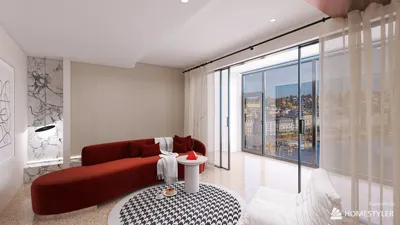


Small round glass coffee tables create an airy atmosphere that compact spaces often lack. Their circular design smooths traffic flow, removes sharp edges, and maintains clear sightlines, while glass tops lighten the overall aesthetic of the room. In my designs, these tables reliably cut down on visual clutter, making seating arrangements appear larger and more inviting. Beyond just style, their rounded shapes improve safety in high-traffic areas, and their slender bases facilitate easy movement.
Research indicates that clear sightlines and efficient movement in small areas significantly enhance comfort. According to findings from Gensler, a well-organized space leads to a smoother perception of mobility and lowers stress levels, making this principle equally applicable to residential settings with limited space. To optimize lighting, the IES suggests a layered approach for ambient and task illumination—targeting around 100–300 lux for living spaces—to allow the sparkle from glass to be soothing rather than overwhelming. This is complemented by using diffused lighting with round glass tops to ensure reflections remain gentle. WELL v2 prioritizes accessible pathways and unobstructed areas; naturally, a compact circular table improves flow better than bulky rectangular ones. For more spatial insights, check the Gensler research repository.
Design Intent: Emphasizing Lightness, Flow, and Visual Equilibrium
When designing small rooms, my main focus is to keep pathways open while providing a central anchor for seating areas. A round glass coffee table acts as this elegant anchor: it serves to center a sofa and side chairs without obstructing views. The table’s transparency minimizes its visual weight, and using a tapered or open base helps retain a light aesthetic. To create contrast against a glass top, I typically incorporate texture through other elements such as bouclé upholstery, matte ceramics, or woven rugs to ground the overall look. Additionally, color psychology is crucial: lighter shades, as noted by Verywell Mind, tend to create a more spacious feel, so using soft surrounding tones like warm greige, pale sage, or muted blues allows the glass to present itself as a calming focal point instead of a bright glare.
Optimal Sizing and Proportions
For smaller seating arrangements, a coffee table diameter of 24–30 inches works well with loveseats or apartment sofas. For tighter configurations, a size of 30–34 inches may be suitable, provided that there is a minimum of 18 inches of clearance around the edges. Aim for a height of 16–18 inches to align with the sofa seat, ensuring easy access. When considering proportion, keep the table roughly two-thirds the length of the main sofa for a harmonious scale. If placing the table between two chairs, center it evenly to both to achieve radial symmetry and clear pathways.
Layout Strategies for Small Living Rooms
Round tables are particularly effective in asymmetric or corner seating arrangements because they simplify access from multiple sides. In elongated or narrow spaces, positioning the table slightly off-center helps keep the primary traffic lane clear, often found along the edge of the rug. For bay windows or L-shaped sectionals, moving the table toward the shorter side ensures equal accessibility. If you’re assessing furniture placements or testing various diameters, utilizing a room layout tool like Homestyler can greatly assist in visualizing movement and space clearance.
Material and Finish: Selecting Glass Types, Bases, and Edge Profiles
Opt for tempered glass due to its increased safety and durability; it shatters into small pieces instead of sharp shards if broken. For homes with children, choosing bevel-edged or bullnose designs minimizes abrupt contact points. Low-iron glass offers a more transparent and modern aesthetic, while standard float glass pairs well with warmer hues like brass or walnut bases. The choice of base can affect overall style and stability: slender pedestal bases take up less visual space, whereas tripod frames provide better weight distribution on soft carpets. Matte finishes on bases help reduce the visibility of fingerprints, and materials like brushed stainless, burnished brass, or ebonized wood blend beautifully with both contemporary and mid-century decor styles.
Lighting and Glare Management
Glass shines beautifully under layered lighting, but attention must be paid to potential glare. Ensure overhead lighting is diffused—using fabric drum pendants or opal globes will help keep reflections gentle. Opt for the IES recommended illuminance levels of 100–300 lux for living spaces as a starting point; strategically positioned task lamps next to reading areas can provide focused brightness without overwhelming the table. Warm white lighting (2700–3000K) generates a cozy atmosphere, while a single angle spotlight rotated at 30 degrees can prevent harsh mirror-like reflections. Incorporating a textured rug beneath the table also helps to disrupt light reflections and add dimension to the space.
Ergonomics and User Comfort
Round shapes facilitate wayfinding and diminish collision risks. Maintain at least 18 inches of clearance around the table for leg space and 24–30 inches for main traffic zones to ensure comfortable movement. The tabletop should not exceed 16–18 inches from the front edge of seating to avoid stretching too far; this height aligns with typical reach when seated. In multifunctional spaces, opting for lightweight bases allows easy reconfiguration during activities—whether for movie nights, exercises, or entertaining—without compromising stability.
Storage and Multi-Functional Features
In smaller environments, incorporating hidden storage is advantageous. Consider designs that feature a secondary glass or wooden shelf underneath for stowing items like remotes and books. Nesting tables provide adaptability, with a primary table around 28–30 inches paired with a smaller 16–18 inch piece that can be expanded as needed for gatherings and conveniently stored when not in use. In compact studios, a lift-top table with damped hinges can serve as a laptop stand; just be cautious that mechanisms don’t create pinch points or hinder ergonomic reach when raised.
Styling the Surface: Composition and Safety
Styling should remain minimal to enhance the table’s visual lightness. Utilize a simple arrangement of a low bowl, a small floral arrangement, and a pair of books to create balance without overwhelming the surface. Avoid tall, unstable objects that could tip over. Placing felt pads beneath decorative items helps prevent micro-scratching. If the table is placed in direct sunlight, select UV-stable materials like ceramic, metal, or sealed wood to reduce fading and minimize heat accumulation on the glass surface.
Acoustic Considerations
Glass surfaces reflect high-frequency sounds; in rooms susceptible to echo, incorporating dense rugs, curtains, and upholstered seating can aid in sound absorption. Although a round design has less parallel edge reflection in comparison to rectangular tables, the sound environment will improve with the addition of soft textiles nearby. Incorporating leafy plants and filled bookshelves can help diffuse sound waves, ensuring clarity during conversations.
Sustainability and Maintenance
Tempered glass is highly recyclable; try to source tabletops locally to decrease transportation emissions. Opt for durable materials—such as powder-coated metal or FSC-certified wood—that can withstand daily usage. Regular upkeep involves cleaning with a microfiber cloth and a mild vinegar solution to tackle fingerprints without leaving streaks; steer clear of abrasive sponges that may scratch the glass surface over time. Additionally, periodically check the fittings underneath the base, especially on pedestal styles, to ensure ongoing stability.
Placement Scenarios
- Studio apartment with a loveseat: a 26–28 inch low-iron glass top on a slim pedestal maintains a clear walkway.
- Narrow living-dining combination: shift the table toward the centerline of the sofa while safeguarding a 24–30 inch passage to the dining area.
- Bay window lounge: center a 30-inch table at the midpoint of the rug to draw chairs into a comfortable chatting range.
- Compact home office lounge: nesting round glass tables allow for quick adjustments for meetings or casual breaks.
Common Mistakes to Avoid
- Choosing an overly large diameter, which can obstruct circulation.
- Overlooking glare; reflective overhead sources can create unpleasant reflections.
- Using sharp edges in homes with children; opt for rounded or beveled designs instead.
- Implementing heavy bases on thick rugs, resulting in wobbliness—select tripod or weighted pedestals for stability.
FAQ
Q1: What diameter works best for very tight living areas?
A: Begin with a diameter of 24–26 inches for loveseats or compact sofas while ensuring at least 18 inches of access to seating and 24–30 inches for main walkways.
Q2: Is tempered glass necessary?
A: Indeed, tempered glass provides superior impact resistance and safer breakage properties, making it the standard choice for residential tables.
Q3: What strategies can I employ to reduce glare on a glass coffee table?
A: Use ambient lighting that is soft, warm (2700–3000K), and avoid direct overhead lights. Position accent lighting at a 30-degree angle and enhance the area with a textured rug.
Q4: Which base style provides the most stability on carpets?
A: Tripod or four-point bases distribute weight more evenly across soft surfaces. If you choose a pedestal style, ensure it has a solid foundation for balance.
Q5: Are round glass tables compatible with small sectionals?
A: Absolutely! A 30–34 inch diameter table placed near the inner corner of the sectional offers balanced reach while keeping open pathways.
Q6: How can I style the table without creating clutter?
A: Limit your decorations to three low-profile items: a bowl, a small flower arrangement, and a stack of books. This helps maintain lightness and minimizes the risk of tipping.
Q7: Are there downside aspects related to glass in terms of acoustics?
A: Glass can reflect high-end frequencies; however, this can be mitigated by incorporating a thick rug, curtains, and soft seating. Additionally, plants and books can enhance sound diffusion.
Q8: What is the ideal height for a coffee table?
A: Aim for a height close to 16–18 inches, which aligns well with sofa seat heights, facilitating comfortable access for drinks and devices without strain.
Q9: Does using low-iron glass make a difference?
A: Yes, if you prefer a clean, neutral appearance, low-iron glass reduces the greenish tint typically seen in standard float glass, which works harmoniously with warmer metal accents.
Q10: How can I ensure the table is child-safe?
A: Select tempered glass, rounded edges, and a sturdy base. Stay away from tall or cumbersome decorative items and make sure there is ample clearance in play areas.
Q11: Is it feasible to incorporate storage without making the table look bulky?
A: Yes, look for two-tiered tables equipped with slim shelves or opt for a small, nesting table that easily stows under the primary piece when not in use.
Q12: What’s the most effective way to plan the table's layout?
A: Use an interior layout planner to test clearances and reach requirements before finalizing placements, ensuring pathways remain unobstructed. Tools like Homestyler can effectively help prevent costly decisions before purchase.
What began as an Autodesk innovation has evolved into a design platform used by more than 18 million people around the globe. Homestyler combines powerful rendering, an intuitive editor, and a vast furniture library to help you turn inspiration into photorealistic designs — whether you're redesigning a single room or planning an entire home.

Minimalist Solid Wood Rattan Double Tier Coffee Table 3D Model

Minimalist Japandi Solid Oak Rattan Coffee Table 3D Model

Minimalist Solid Wood Accent Cabinet with Textured Top 3D Model
Homestyler is your go-to online home design platform! With its user-friendly design tool, stunning 3D renderings, and a wealth of inspiring design projects and video tutorials, you can effortlessly turn your home design dreams into reality. Transform your space today!
Diseño ahora GRATIS
































