

Designing compact bedrooms while integrating a full-size bed can indeed be a challenge. The key lies in managing the scale, sightlines, storage solutions, and lighting to ensure the space feels open and inviting rather than confined. A full-size mattress typically measures 54 inches by 75 inches, and when you factor in necessary clearances, it can overwhelm a small room. That’s why it's crucial to meticulously plan the layout and elevations. Recent research from Steelcase emphasizes that environments designed for visual harmony and control can lower cognitive stress and enhance wellbeing, and the WELL Building Standard v2 underscores the importance of daylight access and managing glare, both of which translate effectively in home settings, including those designed using Homestyler.
Focusing on orientation, vertical storage, and layered lighting has proven to have significant effects. According to WELL v2 guidelines, recommended ambient light levels for living areas should fall between 150–300 lux, while task lighting for reading should reach about 300–500 lux. Additionally, insights from Verywell Mind point out that cooler colors, such as soft blues and blue-greens, create a calming and spacious environment, whereas warm white tones contribute coziness. In practice, I often combine a 2700–3000K ambient light with a 3500K task light to achieve a blend of warmth and clarity without creating glare. Utilizing a room layout tool, such as Homestyler, allows for early detection of circulation issues before making furniture decisions.
Prioritize the Bed Wall and Circulation Width
To ensure comfort around a full-size bed, it’s essential to maintain 24–30 inches of clear space on at least one accessible side for easy entry. In rooms narrower than 8 feet, placing the headboard against the shorter wall is a smart choice, thereby allowing for one main access point. I advise keeping a clear path of at least 30 inches from the door to the bed edge to promote natural movement. If there’s a conflict with doors, a pocket door or reversing the swing can improve accessibility; even a small 2-inch increase can greatly enhance the perception of space.
Elevate Storage: Go Vertical, Not Deeper
Consider replacing bulky dressers with a vertical armoire or tall built-ins to maximize space. A shallow wardrobe measuring 18–20 inches deep often proves more practical than a deeper 24-inch model in compact areas. Incorporating overhead storage with a recessed headboard niche helps create a functional design without cluttering the floor. If you install cabinets above the bed, aim for at least 16 inches of clearance above the pillows, using rounded or beveled edges to avoid an overpowering presence. Under-bed storage solutions, such as drawers that pull out, can conserve vital floor space; if two-side access isn't feasible, select a lift-up storage option.
Use the Wall Plane as Furniture
Incorporating wall-mounted nightstands, swing-arm lamps, and shallow shelves can free up valuable floor space while promoting a serene visual atmosphere. A floating shelf that is 6–8 inches deep can hold items like books and glasses without obstructing movement. In particularly small rooms, I tend to forgo traditional bedside tables in favor of a single integrated shelf on the headboard and hanging pendant lights to maintain a spacious appearance.
Light Layers: Ambient, Task, Accent
Utilize a three-layered approach to lighting. Ambient lighting should include overhead fixtures or cove lights that provide 150–300 lux uniformly and maintain a warmth around 2700–3000K. Task lighting should focus on achieving 300–500 lux for reading, using a 3000–3500K source that minimizes glare during use. Accent lighting, such as a low-output wall washer or LED strips placed behind the headboard, can enhance depth and soften hard angles. Aim for a unified glare rating (UGR) that remains low—avoiding high-intensity lighting visible in direct sightlines. Employing dim-to-warm LEDs can contribute to a calming evening environment that encourages restful sleep.
Color and Material: Soften Contrast, Stretch Perception
Opt for low-contrast color schemes to help boundaries fade away. It's beneficial to keep walls, ceilings, and storage units within a similar light reflectance value (LRV) range—perhaps 60–80 for walls and 80–90 for ceilings—to enhance the sense of openness. Darker tones should be reserved for flooring or one concentrated element, like a headboard, to ground the space. Using cool neutrals with subtle color hints (like sage, dusty blue, or mushroom) creates a calming visual environment, resonating with findings that cooler shades promote a feeling of greater space.
Mirror and Glass: Depth Without Clutter
Installing full-height closet mirrors can amplify light and create a deceptive sense of depth. Position mirrors thoughtfully to reflect the room's longest line or a pleasant window view without mirroring the bed directly to prevent nighttime distractions. A frameless mirror integrated into cabinetry provides a sleek look. If privacy permits, adding a translucent door panel near the entry can allow natural light while reducing the need for harsh ceiling fixtures.
Scale Down Profiles, Not Comfort
Opt for a low-profile bed design, featuring slim rails (around 2–3 inches) and legs that elevate the frame by 6–7 inches, adding depth through visibility of the floor below. Avoid oversized footboards. For headboards, choose upholstery that boasts a thickness of about 1.5–2 inches with rounded edges, maintaining a height of approximately 42–48 inches for a full-size bed, which harmonizes well with ceilings ranging from 8 to 9 feet. Bedding should be tailored to prevent excessive pooling, allowing for a tidy footprint.
Acoustics: Quiet Builds Space
Incorporating soft materials helps to mellow both sound and visual disturbances. Using a dense area rug beneath the bed (like 8x10 dimensions can tuck on both sides and minimize step noise), together with fabric Roman shades or layered draperies, enhances comfort. Even compact spaces can benefit from sound-absorbing materials—such as fabric-wrapped panels or wool felt—that help to mitigate echo effects, especially in urban environments.
Ergonomics of Reach and Daily Flow
Ensure that bedside belongings remain within 18–24 inches from the edge of the mattress. Keep essentials like phone chargers and water carafes readily accessible. Closet rods should be set at 66–68 inches high for easy access without disrupting door operations; a pull-down rail can aid in maximizing vertical storage where ceiling height permits. I recommend maintaining everyday items within the 24 to 60 inches range, leaving higher areas for seasonal clothing.
Window Management and Breathability
If positioned underneath a window, select a headboard that doesn’t rise too high, and use blackout shades within the frame, layered with light-filtering options for daytime privacy. Control light by opting for side-to-side layering rather than bulky valances. Ideally, maintain at least a 6-inch gap between the mattress and sill, preventing any obstruction from window hardware.
Plan the Layout Before You Buy
Before making any purchases, measure door widths, swing arcs, window heights, radiator clearances, and outlet locations. Ensure a 30-inch circulation path is mapped out, and consider testing various orientations with an interior layout planner like Homestyler to check for clearances and optimal lighting angles.
Styling With Restraint
Favor two to three large-scale art pieces over a wall filled with smaller frames. Aim for a cohesive material palette—such as oak, matte black metal, and textured linen—and maintain repetition. Keep open shelving curated and minimalistic. A single plant with sculptural leaves in the corner can effectively soften harsh lines while adding a touch of vertical interest without overwhelming surfaces.
- Bed dimensions: 54 x 75 inches, low-profile with visible legs.
- Clearance: Minimum 30 inches of space on one side; ensure a clear 30-inch path from the door.
- Storage: Opt for a tall armoire (18–20 inches deep) and a niche over the bed.
- Lighting: Balance ambient warmth at 2700–3000K with task lights at 3000–3500K, and employ dimmable options.
- Color Palette: Use low-contrast neutrals with an LRV of 60–80 for walls and 80–90 for ceilings.
- Mirror: Incorporate a full-height panel aligned with the room’s length.
- Rug: Utilize an 8x10 rug under the bed if feasible; otherwise, a 6x9 rug tucked two-thirds under will suffice.
FAQ
Aim for 24–30 inches of clear space on at least one side, combined with a 30-inch unobstructed path from the door. In tighter spaces, one primary access side can work if the door swing is managed.
Position the headboard against the short wall to allow the room’s longer dimension to dictate the sightline. Always keep the bed opposite or adjacent to the door to avoid visual congestion.
For ambient light, use 2700–3000K for warmth, and for task lighting, utilize 3000–3500K to ensure reading clarity without harsh elements. These recommendations align with comfort ranges while promoting relaxation.
Maximize vertical space through the use of 18–20-inch-deep wardrobes, cabinets above the bed with a recessed niche, and access-friendly under-bed drawers. Wall-mounted nightstands help maintain open floor areas.
Certainly—utilizing full-height mirror panels that reflect the longest room axis or admit daylight can enhance spatial perception. Avoid directly reflecting the bed to minimize nighttime distractions.
Where space permits, an 8x10 area rug can anchor the layout by covering both sides and the foot of the bed. If the area is restricted, a tucking 6x9 rug under the bed can still provide grounding.
Layer fabrics for a softer feel: include a rug, fabric shades, and an upholstered headboard wall. Incorporating high-absorption elements can help reduce echo and promote quality sleep.
In fact, yes. A low-profile bed frame with visible legs increases the perception of space by revealing more floor area. Consider combining this design with lift-up storage where drawers can't fully open.
Aim for about 300–500 lux on reading surfaces through a shielded, directional light source to reduce glare and minimize disturbance to partners.
Remember to measure all fixed elements carefully and try various placements using a layout simulation tool like Homestyler to test clearances, lighting, and door swings in advance.


Rattan Solid Wood Modern King Size Bed 3D Model

Mid Century Solid Oak Rattan Nightstand With Open Shelf 3D Model
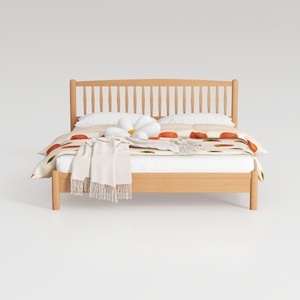
Minimalist Solid Oak Wood Platform Bed with Spindle Headboard 3D Model
Looking to transform your space? Homestyler is your go-to online home design platform! With its user-friendly design tool, stunning 3D renderings, a wealth of design projects, and helpful DIY video tutorials, creating your dream home has never been easier. Start designing today!
Progetta ora GRATIS
































