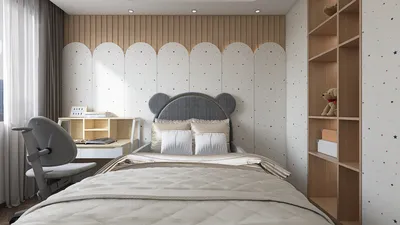


When designing wardrobes for small rooms, I treat them much like I would a compact urban kitchen: prioritizing every item's placement, maintaining clear pathways for movement, and ensuring storage aligns with actual usage. In confined bedrooms, the key to an effective wardrobe is not just about cramming in additional cabinetry but rather focusing on intelligent divisions, vertical accessibility, and doors that do not invade the floor space.
Space can easily be compromised when closet doors open wide and hangers are arranged perpendicularly to walls. Research by Steelcase indicates that both visual and tangible clutter can elevate cognitive load and stress levels, suggesting that reducing the number of visible items at once can aid in creating a more serene environment. Additionally, the WELL v2 framework emphasizes that the quality of lighting—including uniformity and glare control—affects comfort and perceived space, leading us to design wardrobes with integrated, low-glare task illumination, rather than solely relying on ambient room lighting. These insights advocate for narrower designs, organized spaces, and task lighting optimized for wardrobe activities.
For optimal garment visibility without glare, keep lighting levels within the 300–500 lux range for interior wardrobe spaces, in accordance with IES standards for task areas. A color temperature of approximately 3500–4000K ensures that whites remain neutral and skin tones appear true, thereby preventing the frequent mismatch found between dressing room illumination and natural daylight. With these parameters established, we can begin to outline practical design strategies.
Opt for Sliding or Bifold Doors to Maximize Floor Space
In tight spaces, sliding doors completely eliminate the need for swing clearance. On the other hand, bifold doors neatly reduce projection while still allowing complete access to the wardrobe contents. I especially favor slim-framed doors with matte finishes to minimize glare. If reflective surfaces are desired, I recommend limiting to a single mirrored panel, utilizing an anti-fog, low-iron mirror to preserve accurate color representation. For exceptionally snug spaces, consider fabric panel sliders or tambour doors that slide away into compact tracks.
Reorient Hanging: Front-Facing versus Side-Facing
Traditional wardrobes typically have hanging rods perpendicular to the door, which can take up 22–24 inches of depth. By turning hangers to face the side, depth can be reduced to 14–16 inches just for shirts and blouses. Implement staggered hanging rods (one positioned higher and one lower) to create an efficient stacked short-hang section. Set aside a clearance of 38–42 inches for short hanging and 60–64 inches for long gowns.
Establish a Vertical Storage Arrangement
Visualize the wardrobe in arranged bands: the top shelf can store infrequently used items, the mid-section should be designed for daily access, and lower drawers are best for folded garments. Ergonomically speaking, keep the primary reach zone located between 28 and 52 inches from the ground; above 60 inches, switch to containers equipped with front labels. I often incorporate a pull-down wardrobe lift for the top shelves in rooms with elevated ceilings, optimizing vertical storage without losing accessibility.
Incorporate Task Lighting with Glare Management
Installing LED strips that are recessed within the wardrobe framework, utilizing a 30–60° cutoff angle, can significantly diminish the direct view of the light source. Combine these with PIR sensors that detect when doors are opened, automatically turning lights on and off as needed. Ensure a Color Rendering Index (CRI) of 90 or higher for true fabric representation. This subtle enhancement often creates a sense of spaciousness and ease of use within a compact wardrobe.
Implement Shallow Drawers and Flexible Shelving
Deep drawers can lead to overstuffing issues. In smaller rooms, opt for 12–14 inch deep drawers using full-extension slides, allowing users to see contents quickly and reducing the need to rummage. Adjustable shelves set at 9–12 inch intervals are perfect for items like knitwear and jeans; dividers can be added to prevent clothing from toppling. Discreetly labeling the edges of the shelves can provide helpful cues that improve daily organization.
Utilize Door-Back Storage Without Collision
Overhead racks and shallow pegboards can be effective, provided that door clearance has been taken into account. Determine handle projection (ideally less than 1 inch) and ensure any items on the door's inner side remain within a 2-inch depth. This area is perfect for storing scarves, belts, and small bags, while avoiding heavy items can help maintain the integrity of the hinges over time.
Maximize Corner Spaces with L-Shaped Structures
Corner wardrobes can often lead to wasted space when hanger rods conflict. Instead, opt for an L-shaped internal layout: one side dedicated to long garments, and the adjacent side for shelves and drawers. If you're looking to visualize room layouts prior to ordering panels, utilizing a room layout tool like Homestyler can assist in confirming door swings, walking clearances, and sightlines effectively.
Explore the Possibilities with a Room Layout Tool
Harness Color Psychology and Finishes
Using light, low-chroma finishes can create an illusion of expanded space, leading to a more airy feeling in compact rooms. According to insights from Verywell Mind, colors such as blue and green can foster a sense of calm; therefore, for wardrobes, soft greige or pale sage can diminish contrast with surrounding walls, lowering visual fragmentation. Selecting matte lamination or wood veneers with low sheen (20 gloss units or less) can effectively reduce glare and allow the wardrobe to blend in as part of the overall architecture, rather than appearing as merely furniture.
Sound Management in Sliding Systems
In shared compact living situations, the acoustics of doors can impact comfort. Opt for soft-close hardware and felt-lined tracks to minimize sound disruption. Incorporating rubber bumpers along carcass edges can help absorb impact noise. Although it may not be necessary in most bedrooms, utilizing acoustic micro-perforated panels for the back boards can be beneficial; however, felt liners in drawers will help prevent rattling, particularly for storing jewelry.
Start with an Inventory-Focused Design Approach
My design process commences with an inventory: I assess the number of long-hang pieces, folded items, shoes, and accessories. This information is translated into required linear feet. As a standard guideline, each linear foot of rail can accommodate around 8–10 standard-width hangers. Vertical clearance of 7–9 inches is needed per tier for shoes, while boots require 15–18 inches. Utilizing these metrics ensures the wardrobe is tailored to the user’s specific needs rather than a one-size-fits-all approach.
Enhance with Pull-Outs and Internal Organization
Integrating pull-out baskets for commonly used items allows for quicker access, while shallow trays for small accessories like watches or glasses help organize these items. Opt for clear or tinted bins with consistent labeling to maintain order. Adding a valet rod allows users to lay out outfits easily. Moreover, a fold-out ironing board stored within a 4–6 inch cavity offers a space-saving solution that works seamlessly with a small steam unit stored underneath.
Strategic Placement of Mirrors, Lighting, and Color Accuracy
Place mirrors at right angles to windows to avoid unwanted backlighting glare. Complement this with task lighting set at 3500K for accurate color matching to outdoor lighting. If morning light appears cooler, aim for wardrobe lighting closer to 4000K to minimize unexpected color discrepancies during the day.
Sustainable Material Choices
Utilize low-VOC boards and edge banding for safety. Select FSC-certified plywood or high-standard particle board featuring moisture-resistant cores if utilizing in humid environments. Choosing hardware with interchangeable pieces allows for future alterations. A wardrobe designed with adaptability in mind promotes longevity and reduces waste.
Strategies for Layout Around the Wardrobe in Small Rooms
When dealing with a narrow bedroom, it's ideal to position the wardrobe along the longest wall, ensuring a clear zone of 30–36 inches for movement in front of it. Consider wall-mounted shelves for bedside storage to optimize floor area. If the wardrobe faces a window, ensure a matte finish is chosen to lessen glare that can clutter a room's appearance.
Targeting lighting of 300–500 lux within the wardrobe and around 200–300 lux in circulation areas complies with prevalent IES standards for task lighting. During nighttime, dim to 20–30% with warmer tones to ease the transition to sleep.
Position handles between 36–42 inches high for ease of access. In children's rooms, consider lowering this to around 28–32 inches. Heavy drawers should stay below 40 inches to prevent strain. These ergonomic adjustments can significantly enhance comfort in small spaces.
Common Errors to Avoid
- Overly deep hanging sections that consume floor space.
- Glossy doors facing windows that cause excessive glare.
- Large drawers that turn into catch-alls.
- Neglecting inventory details in the planning phase.
- Lighting inconsistencies leading to color mismatches.
Evidence-Based Design Insights
Maintaining uniformity in lighting and minimizing glare aligns with IES task lighting guidelines. The WELL v2 framework highlights the importance of quality lighting and visual ergonomics for comfort, aspects that are directly applicable to wardrobe functionality. Steelcase findings on visual complexity stress the significance of clean organizational methods to diminish cognitive load, which can enhance decision-making processes for compact wardrobes.
Frequently Asked Questions
Q1: Which door types optimize space in compact bedrooms?
A: Sliding doors are the most space-efficient choice as they eliminate swing clearance, while bifold doors offer a nearly equivalent option when full access is necessary.
Q2: What should the ideal depth of a wardrobe be in limited spaces?
A: For side-facing hanging, a depth of 14–16 inches works best for shirts and blouses, whereas standard front-facing hanging requires planning for 22–24 inches of depth.
Q3: What lighting levels are most effective within a wardrobe?
A: Aim for levels between 300–500 lux, ensuring CRI is at least 90, with a color temperature around 3500–4000K for the best comfort and accurate color representation, aligning with the IES task guidelines.
Q4: How can I increase hanging capacity without extending the footprint of my wardrobe?
A: Consider implementing two tiers of short-hang rods (one set at ~40 inches and another at ~80 inches) or integrating a pull-down lift to access elevated storage areas.
Q5: Are mirrored wardrobe doors advisable in smaller areas?
A: Yes, but moderation is key. Use a single mirrored panel and opt for a matte finish to avoid glare. Position mirrors perpendicular to windows for optimal lighting.
Q6: What color choices help a small wardrobe appear less bulky?
A: Light, low-chroma neutrals—such as soft greige or pale sage—make the space feel more open. Subtle colors can minimize the appearance of clutter; color psychology indicates softer greens and blues can create a calm atmosphere.
Q7: How do I accurately plan storage according to my wardrobe contents?
A: Begin with an inventory: tally long-hang garments against short-hang, folded items, and footwear. As a guiding principle, one linear foot of rail generally accommodates around 8–10 hangers; shelf spacing should be about 9–12 inches for folded clothes.
Q8: What hardware improvements are worthwhile in tight settings?
A: Upgrades such as soft-close slides and hinges, full-extension drawer runners, and recessed LED lighting with motion sensors enhance usability, noise reduction, and glare prevention.
Q9: Is it possible to fit a wardrobe into a corner without creating dead space?
A: Yes, design it with an L-shaped interior configuration, devoting one side to hanging garments and the other to shelves and drawers, ensuring rods do not collide.
Q10: How can I maintain organization within the wardrobe over time?
A: Utilize labeled bins, consistent dividers, and limit drawer depths to 12–14 inches to prevent overstuffing. Periodically schedule seasonal edits to sustain visibility and order.
Q11: What is the minimum clearance required in front of the wardrobe?
A: Maintain a clear area of 30–36 inches for accessible entry, even with sliding door designs; tighter spaces may function well at 28 inches but can feel less spacious.
Q12: Is internal lighting a necessity?
A: In smaller rooms, integrating internal lighting is a valuable enhancement. It aids in selection accuracy, diminishes visual clutter, and accommodates circadian-friendly dimming options for evening use.


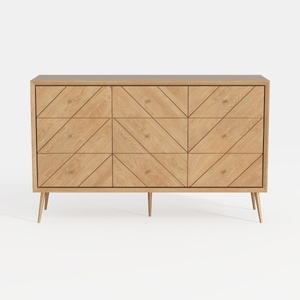
Tribesigns Sideboard Buffet Cabinet with Storage
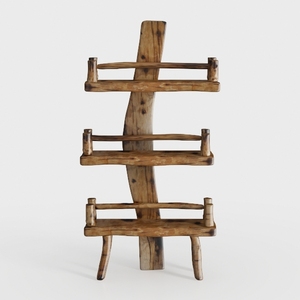
Rustic Solid Wood Free Standing Wall Shelf Decorative Display 3D Model
Homestyler is your go-to platform for transforming home design dreams into reality! With its user-friendly online design tool, stunning 3D renderings, and informative DIY video tutorials, you can effortlessly create and visualize stunning spaces tailored to your style. Dive into your design journey today!
Design Now for FREE
































