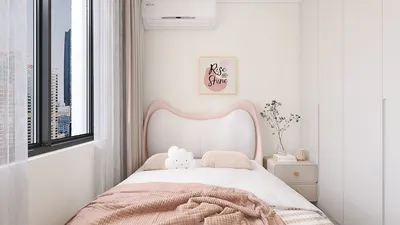


I had a client who envisioned transforming their closet into a creative art nook — they requested vibrant stripes, a small mural, and a color that captured the essence of an open sky. I eagerly agreed, we utilized a straightforward Homestyler paint at home kit, and the outcome was enchanting; these petite projects often impart the most valuable lessons. If you're intrigued by how color schemes and smart techniques can optimize a limited living space, I'm here to share insights on maximizing layouts using paint, clever lighting solutions, and some industry secrets I've gathered over more than ten years.
1. Create an Accent Wall with a Kit for Instant Depth
I often suggest clients introduce a singular accent wall when they're hesitant about making bold choices — using Homestyler paint at home kits simplifies testing daring colors. The benefits are clear: one feature wall can ground a room without overwhelming its design. The trick lies in selecting the right wall that appears deliberate rather than accidental.
Tip: Opt for the wall you see most when seated, stick to neutral trim, and apply a tester pot from the kit before making a final decision. It's an economical approach with significant impact, but be prepared to freshen up if you later decide on a more subdued ambiance.
2. Utilize Painter’s Tape Patterns to Simulate Built-Ins
Painter’s tape is my invaluable ally. By adding precise stripes or geometric designs, a basic kit can transform bland walls into faux paneling or a mock headboard — ideal for petite bedrooms that crave character while preserving floor space.
It's quick, reversible, and typically less expensive than new furnishings. Just remember one important rule: measure twice, tape once — uneven tape can swiftly teach a lesson in humility.
save pin
3. Ombre Corners for Expanding Visual Space
Ombre effects are surprisingly forgiving, and a Homestyler paint at home kit greatly facilitates mixing colors for seamless transitions. Begin with a darker hue in the corner and fade towards the center — this visually recedes the walls and makes compact areas feel more spacious.
In kitchens or adjoining spaces, you can even simulate a kitchen layout with paint tones to preview how cabinetry and wall colors will complement each other before making purchases. The key is to maintain consistent undertones to prevent a muddied appearance; swatches from the kit can be quite helpful.
save pin
4. Create Chalkboard or Writable Walls for Practical Style
Transform a narrow wall into a functional command center with chalk or magnetic paint from a kit — keeping grocery lists, meal planning, or rotating art makes the room dynamic and resourceful. This is particularly beneficial in studios where every inch is valuable.
It’s a blend of practicality and whimsy, though the trade-off involves some chalk dust and regular cleaning. Opt for a washable paint finish in high-traffic areas to maintain tidiness without sacrificing flair.
save pin
5. Two-Tone Ceiling for a Height Illusion
Painting the ceiling a slightly lighter hue than the walls or adding a delicate band near the top can create the illusion of height; Homestyler kits often come with ample sample for trial runs. I've successfully used this strategy in compact bathrooms and narrow hallways — a ceiling adjustment can dramatically change the perception of the room.
To visualize the design in three dimensions, I frequently create quick mock-ups to evaluate color pairings before any paint touches the surface. This minor step can significantly minimize wastage and regret.
save pin
FAQ
1. What does a typical Homestyler paint at home kit include?
Typically, starter kits encompass sample-sized paint, a small roller or brush, painter’s tape, and instructions. Some premium kits may also contain primers, finish samples, or easy-mix pigments.
2. Are paint kits safe for small, poorly ventilated areas?
Seek out low-VOC or zero-VOC kits when working in limited ventilation conditions. They are safer for indoor air quality, though it’s still advisable to open windows or use fans when feasible.
3. How much paint from a kit is needed for a small room?
Most kits are tailored for accent applications or testing — typically covering one wall or a feature area. For an entire small room, plan to supplement with a full-sized can unless indicated otherwise in the kit.
4. Can I mix colors from the kit to match my existing décor?
Absolutely, kits encourage experimentation; blend small batches until achieving the desired effect. Keep track of color ratios so you can replicate successful mixes when purchasing larger quantities.
5. What finish is ideal for smaller spaces?
Satin or eggshell finishes reflect a bit of light without revealing every flaw, making them suitable for compact rooms. While high-gloss is resilient, it accentuates imperfections; matte finishes conceal them but may appear flat in dim lighting.
6. How can I manage fumes and VOCs?
Opt for low-VOC products and adhere to manufacturer recommendations; for comprehensive guidance on indoor air quality and paint, consult the EPA (https://www.epa.gov/). Adequate ventilation and proper drying time are vital for comfort and safety.
7. What are the best practices for achieving clean lines with a kit?
Utilize high-quality painter’s tape, ensure the edges are firmly pressed down, and remove the tape while the paint is still tacky for the sharpest lines. Consider practicing on a cardboard panel if you're apprehensive before tackling the wall.
8. Can I combine paint kits with decals or wallpaper?
Absolutely — decals and light wallpapers pair beautifully with painted elements for added texture without heavy installation. Always test adhesives on a discreet area to ensure they won't damage the fresh paint.
save pin
Homestyler is your go-to online home design platform! With its user-friendly design tool, stunning 3D renderings, and a wealth of DIY video tutorials, you can effortlessly create and visualize your dream spaces. Start transforming your home today with Homestyler!
Design jetzt kostenlos
































