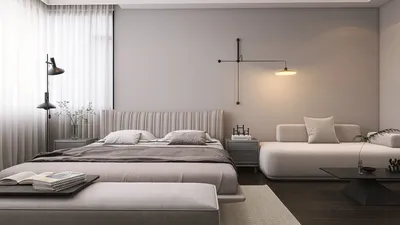


I once persuaded a client to exchange their full bed for a daybed, which allowed us to maximize floor space. It turned out that their cat adopted it as a personal domain, leading me to rethink the cushion arrangement to accommodate their napping habits. Tiny design blunders like that often serve as valuable lessons, highlighting how small spaces can inspire immense creativity. For those wanting to visualize how a daybed would look before making a decision, I frequently recommend using a mock layout on Homestyler to prevent any unexpected surprises.
Tip 1: Layer textiles for versatile day-to-night use
I enjoy layering various textures — combining a linen throw, a velvet bolster, and a selection of patterned cushions can easily transform a daybed from a couch into a sleep-ready space. The benefit of this approach is the cozy adaptability it affords, but the downside is the extra maintenance involved, since more pieces will require cleaning. My tip: select removable covers with a neutral base, so swaps are straightforward and the overall look stays polished.
Tip 2: Utilize under-bed storage effectively
In small bedrooms, incorporating drawers or a trundle bed can make a daybed invaluable. I have often specified shallow drawers for linens and opted for a smoothly gliding trundle for accommodating guests. While it helps to reduce clutter, it also adds extra weight and expense; therefore, I advise selecting drawer depths that align with what you intend to store (like extra bedding or seasonal items) and labeling boxes for ease of use.
Tip 3: Enhance the daybed with shelves and task lighting
By adding built-in or floating shelves behind a daybed, you can create a mini headboard and a decorative display area; supplement this with a directional lamp for reading. If you desire a quick sketch to finalize shelf placement and assess clearance, I often utilize Homestyler for drafting a layout to evaluate sight lines and electrical needs before making any permanent changes.
Tip 4: Introduce patterned elements and a focal wall
A wallpapered or painted panel behind the daybed can establish a strong focal point without overwhelming a compact bedroom. Patterns inject character, but can sometimes feel chaotic, so I typically combine bold designs with serene bedding while keeping the remainder of the room understated. A budget-friendly tip: peel-and-stick wallpaper is easy to manage and replace as styles evolve.
Tip 5: Use the daybed to create defined zones in a studio
In small, open-plan areas, a daybed can serve as a couch, guest bed, and a visual separator between the living area and kitchen. I often suggest positioning it so that it backs onto a rug or a low console, establishing a subtle boundary. This setup is excellent for multifunctional living, but you also need to be mindful of traffic flow and sight lines; for placements near the kitchen, consider arranging things so that dining and prep zones remain comfortable and accessible.
FAQ
1. What mattress size is ideal for a daybed in a compact bedroom?
Typically, I recommend a twin or twin XL mattress for narrow spaces, as they make circulation easier while still offering comfort for most adults. Be sure to measure the clearance on both sides and at the foot of the bed before making a purchase.
2. Can a daybed be styled upscale without breaking the bank?
Absolutely — focus on high-quality bedding essentials (good pillows and a neutral duvet) and refresh accent pieces seasonally. Incorporating a standout bolster or a textured throw can often provide a high-end look for less.
3. Is a trundle mattress suitable for regular sleep use?
Trundles work wonderfully for occasional guests; however, for nightly use, you might want a high-quality low-profile mattress or a platform that can accommodate a proper memory foam topper for enhanced support.
4. How can I mix patterns without them clashing?
Maintain a limited color palette and vary the scale: incorporating one large design, one medium, and a smaller print usually results in harmony. Adding a solid grounding color helps to avoid a cluttered appearance.
5. Are daybeds appropriate for couples?
They can be, but size is crucial: if two people plan to sleep regularly, opt for a daybed designed for a full or queen size. Otherwise, a sofa bed or a small double bed might provide better comfort.
6. What height is ideal for a daybed to allow for under-bed storage?
Ensure at least 8 to 10 inches of clearance for shallow drawers, and more if you’ll be using deeper bins. Keep in mind the type of drawer hardware and the ease of access when taking measurements.
7. Are there safety considerations for daybed placement?
Keep the daybed away from direct heater vents, and ensure that any bedside lighting cords are securely fastened. If you’re stacking decor above the bed, ensure tall shelves are anchored for safety.
8. Where can I find reliable information on mattress sizes and sleep health?
Reputable resources, such as the National Sleep Foundation, provide clear guidance on mattress sizing and sleep quality. For more information, visit their mattress and sleep guidelines at https://www.sleepfoundation.org.
Transform your home with Homestyler! This user-friendly online design platform offers a powerful design tool, stunning 3D renderings, and a wealth of inspiring design projects and DIY video tutorials. Whether you're a beginner or a seasoned designer, Homestyler makes bringing your vision to life easy and enjoyable!
Zaprojektuj teraz za darmo
































