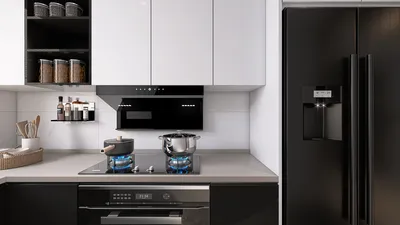


I enhance the functionality and aesthetics of small living rooms by incorporating thoughtfully selected accent chests. These pieces effectively tackle the twin challenges often faced in compact areas: visual clutter and restricted storage. In homes spanning less than 800 square feet, surfaces often become catch-alls for items like remotes, chargers, and books, leading to a chaotic atmosphere. A well-placed chest not only provides a designated space for storing necessities but also introduces a sculptural element that anchors the seating arrangement, making it an ideal choice for any room designed with Homestyler.
The benefits of modest storage solutions are significant. Research from Steelcase highlights that visual distractions can elevate cognitive load, detracting from focus and enjoyment in everyday settings; thus, reducing visible clutter can enhance mental sharpness (Steelcase Research). WELL v2 also stresses the importance of organized, cleanable storage and unobstructed pathways for promoting healthier living environments, linking organization to physical and psychological comfort (WELL v2). A compact chest positioned near the main seating area ensures items are easily accessible yet out of sight, facilitating smoother routines and minimizing micro-distractions.
When it comes to small rooms, proportion is paramount. I recommend a chest that measures between 24 and 36 inches in width, under 16 to 18 inches in depth, and 28 to 34 inches in height. These dimensions align with the neighboring arm height or windowsill height, achieving visual harmony. I employ a straightforward method: maintaining a 2:3 ratio between the chest's width and the adjacent sofa length fosters balance without creating congestion. Utilizing a room layout tool can aid in determining whether the chest fits best next to the sofa, alongside a fireplace, or as a stylish compact bar; such a tool can help visualize space and traffic flow easily.
Design Intent: Style That Works Every Day
The interplay of form and function is essential in design. I seek out pieces that showcase strong elements—such as paneling, fluting, or subtle inlays—creating a visual rhythm while ensuring the silhouette remains close to the wall. Drawers effectively organize smaller items (like tech gadgets or stationery) while a larger cabinet compartment accommodates bulkier items (such as throws or board games). Hardware selections act as jewelry; choose finishes that reflect existing metals to maintain coherence—if the room features brushed brass, consider a complementing aged brass or champagne finish.
Light, Color, and Material Choices
Applying color psychology is practical in this context. Soothing colors on the chest—like soft green, muted blue, or warm taupe—help regulate the visual energy of the space; research from Verywell Mind explains that blue tones promote tranquility and focus, while greens signify balance (VerywellMind color psychology). In cooler rooms, a wooden chest crafted from white oak or ash introduces warmth and texture. For contemporary designs, a matte lacquer finish diffuses light without glare, preserving a calm atmosphere during evening gatherings. It’s optimal to place the chest where ambient light accentuates rather than overwhelms; high gloss finishes near direct sunlight can produce distracting reflections. When lighting the chest, I preferably use warm LEDs in the 2700 to 3000K range to ensure evening comfort without causing glare.
Ergonomics and Daily Reach
A living room must facilitate ease of movement. I ensure there is a minimum of 30 to 36 inches of clearance in front of the chest for unhindered access, with at least 18 inches between the chest and seating when placed to the side. Drawer pulls should be located at a comfortable 30 to 34 inches from the ground, essential in tight spaces where bending or twisting is frequent. If the chest serves as a bar, positioning glassware in upper drawers and heavier bottles in lower compartments not only protects the chest but also ensures your safety and comfort.
Acoustic Calm and Visual Rhythm
To mitigate sound reverberation caused by hard surfaces, I pair the chest with fabric runners, felt pads, and nearby softer materials (such as rugs or draperies) for acoustic comfort. The chest’s appearance can introduce visual rhythm—vertical fluting or framed panels can guide the eye horizontally, enhancing the room's perception of space. In compact rooms, opting for rounded front corners can soften transitions and eliminate snag hazards.
Placement Strategy in Small Footprints
Begin by defining the chest’s purpose: tech station, bar, linen storage, or entryway organizer. If designated as a tech station, ensure it's near a power source with a concealed cable grommet in the back and a ventilated rear panel. For entryway organization (storing keys and mail), position it in a direct line of sight from the front entrance to minimize clutter accumulation. When configuring around a media wall, place it offset to avoid competing visually with the TV, using asymmetry to create a balanced look.
Sustainability and Materials
Choosing durable materials is critical. Solid wood frames and veneered faces on engineered cores offer stability and longevity, particularly important for small pieces that may be frequently relocated. Waterborne finishes minimize harmful VOCs; opt for sustainably sourced woods and recycled metal hardware. Cane panels ensure airflow for electronic devices while adding a warm touch. In humid conditions, select finishes rated for moisture resistance and include soft-close hardware to enhance durability over time.
Styling the Surface Without Clutter
My styling approach involves arranging items in groups of three: a lamp, a modest stack of books, and a sculptural object. It’s important to keep the overall height of this vignette under 24 to 26 inches so that it remains visually subordinate to artwork or mirrors above. For narrower chests, consider swapping out the lamp for a wall sconce to save surface space; the illuminated light should enhance the chest’s texture rather than casting annoying glare into seating areas.
Trend Notes for 2024–2025
There’s a growing trend toward creating compact hospitality spaces at home—think micro bars and cozy tea corners making waves in smaller living rooms. Designs with fluted fronts, textured paints, and subdued metals (like burnished nickel) strike a contemporary yet timeless look. Modular chests featuring removable feet or plinths allow for height adjustments, maintaining ergonomic considerations as seating arrangements evolve.
When the Chest Replaces a Side Table
When space allows for only one secondary piece, a slim chest can be a more functional alternative to a side table. Its surface offers a landing space while also providing necessary storage. To maintain convenience, ensure it’s placed 16 to 22 inches from the seat edge to the face of the chest. For deeper seating areas, adding a tray can pull items closer for easy access.
Quick Buying Checklist
- Width between 24 and 36 inches; depth under 18 inches for snug areas
- Includes drawers plus one cabinet compartment for diverse storage needs
- Hardware finish that complements or subtly contrasts with existing metals
- Ventilated back panel if accommodating electronics
- Plinth bases or adjustable levelers for older, uneven floors
- Look for durable finishes: waterborne, low-VOC options are preferred
- Effective cable management solutions if situated near power sources
- Felt pads and runners can safeguard flooring while absorbing sound
FAQ
Q1: What size should a small accent chest be for a compact living room?
A: Aim for dimensions of 24 to 36 inches wide, less than 16 to 18 inches deep, and 28 to 34 inches tall. These measurements help maintain clear pathways while aligning visually with arm heights and window sills for overall balance.
Q2: How can I prevent visual clutter?
A: Opt for a calming finish (like matte paint or light wood), limit surface styling to just two or three items, and utilize concealed storage for cables and remotes. Insights from Steelcase indicate that minimizing visual noise enhances focus and general satisfaction.
Q3: Where should I position the chest for optimal functionality?
A: Ideally, place it near the seating area for convenient access or by the entryway to quickly manage keys and mail. Ensure to keep 30 to 36 inches of clearance in front and at least 18 inches beside seating to allow for easy movement. A layout tool, such as that found in Homestyler, can assist in testing various configurations before making a decision.
Q4: What type of lighting is best for illuminating or complementing the chest?
A: Utilize a warm LED lamp in the 2700 to 3000K range for evening comfort. When placing the light, position it to graze the chest’s surface to enhance texture while avoiding glare towards seating areas. If the top space is limited, consider wall sconces to free up that area.
Q5: Which materials provide the best durability?
A: Durable choices include solid wood frames with veneered surfaces on engineered cores. Seek waterborne finishes to minimize harmful emissions, coupled with soft-close hardware to extend the lifespan of the piece. Cane or slatted fronts are also beneficial for ventilation, especially if electronics are stored.
Q6: How does color impact the mood of the room?
A: Subdued blues and greens foster tranquility and harmony; research from Verywell Mind suggests these shades can enhance focus and relaxation. Combining cooler tones with warm textures, like oak, helps ground the color palette.
Q7: Can a small chest also serve as a bar?
A: Absolutely. Storing glassware in the upper drawers and heavier bottles below is a practical solution, along with using a tray to help manage spills. Position it close to power sources if using any electric appliances, and ensure stability with a plinth or adjustable levelers.
Q8: What type of hardware finish should I select?
A: Choose a finish that mirrors the existing metals in the room. For spaces that feature brushed brass, looking for aged brass or champagne finishes can ensure harmony. In cooler color schemes, burnished nickel or matte black enhances a sophisticated aesthetic.
Q9: How can I discreetly manage cables?
A: Implement a rear grommet with Velcro wraps to streamline cable management, routing them along baseboards. Ventilated backs are essential for preventing overheating of routers or streaming devices housed inside that storage space.
Q10: Will a textured front help the room appear larger?
A: Yes! Incorporating subtle vertical fluting can create an impression of height and deliver visual rhythm without overwhelming the design. It’s advisable to keep textures low-contrast, avoiding overly busy visuals in tighter spaces.

Minimalist Solid Oak Wall Mounted Floating Shelves 3D Model
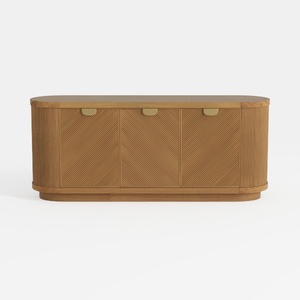
Modern Minimalist Solid Wood Fluted Sideboard with Brass Accents 3D Model
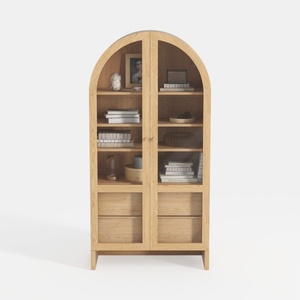
Minimalist Solid Wood Arched Display Cabinet 3D Model
Discover the creative power of Homestyler, the ultimate online home design platform! With its easy-to-use design tool, stunning 3D renderings, and a wealth of inspiring DIY tutorials, you can transform your home ideas into reality effortlessly. Perfect for all design enthusiasts!
Design Now for FREE
































