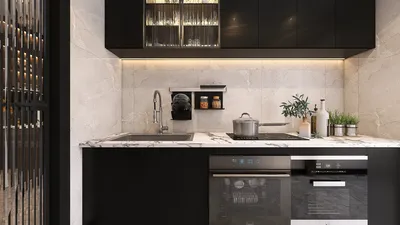


As gaming continues to evolve with platforms like Xbox leading the way, many enthusiasts are seeking dedicated spaces that blend comfort with functionality. Creating a gaming nook within your home involves thoughtful space planning to accommodate consoles, screens, and seating that enhances immersion. Integrating ergonomic furniture and smart storage solutions can transform a living area into a stylish and efficient gaming retreat that balances entertainment with everyday living.
I once had a client who insisted every toy must be 'displayed proudly' yet the living room was the size of a shoebox — I jokingly called it the Toy Museum of Chaos. That project compelled me to think creatively: small spaces don't limit imagination, they enhance it. If you're confronted with a mountain of Lego and a couch that's vanishing under the clutter, these insights will help convert disorder into serenity utilizing a smart space-saving design approach.
1. Vertical display with modular shelving
I adore tall, narrow shelving units for toys as they take advantage of dead wall space while keeping floors clutter-free. The benefit is enhanced visibility — children are more likely to return items when they can see them; however, this invites dust accumulation and the temptation to overstuff shelves. Thus, I suggest opting for adjustable cubbies and baskets for versatile heights.
2. Under-bench storage and dual-purpose seating
Benches featuring lift-up lids or pull-out drawers are true champions in small spaces. I once fitted one beneath a window seat in a studio — it evolved into a cozy reading nook and a secret toy repository. The trade-off resides in bench depth versus seating comfort, leading me to prefer slimmer cushions and soft-close hinges to prevent little fingers from getting pinched.
3. Rotating toy bins and seasonal curation
Rotation is one of my favorite psychological hacks: maintain only a few toy categories out and tuck the rest away. Every few weeks swap bins to keep things feeling fresh. To organize rotations skillfully, I sketch quick layouts — a simple floor sketch assists me in mapping out storage zones and play areas before purchasing containers.
4. Wall-mounted activity stations
Consider pegboards, magnetic strips, and foldable art tables that latch onto walls. These solutions keep activities vertical and tidy, without consuming valuable square footage. The only hurdle is installation — I always verify wall studs and utilize anchors rated for weight to prevent a disastrous craft moment.
5. Defined play zones in unexpected places
Closets, hallways, and even kitchen nooks can transform into vibrant mini play areas with the right arrangement. I once repurposed a shallow kitchen alcove into a store-and-play zone for plastic food and dishes — it comfortably coexisted with the real kitchen and kept clutter at bay. For similar configurations, I design compact plans around a toy-friendly kitchen corner, allowing parents functionality without chaos.
FAQ
Q1: What are the best toy storage solutions for very small apartments?
A: Opt for vertical shelving, versatile furniture, and under-seat storage. Make sure to use clear bins and labels so kids can quickly assist with cleanup.
Q2: How do I encourage my kids to put toys away?
A: Make storage visible and accessible at a child’s height, turn cleanup into a fun game, and rotate toys to keep each one feeling special. Consistency is key.
Q3: How often should I rotate toys?
A: Every 2–6 weeks is ideal; shorter intervals for younger children and longer for the older ones. Maintaining a straightforward calendar can remind you when to switch bins.
Q4: Are clear plastic bins better than baskets?
A: Clear bins allow for visibility of contents, lending to a tidier space, while baskets add warmth and conceal messes. I frequently mix both: clear for smaller items and baskets for larger toys.
Q5: Can I create play zones in a studio apartment?
A: Absolutely — utilize rugs, shelving, and foldable screens to visually separate play areas from living spaces without structural changes. A bit of definition helps to curb visual chaos.
Q6: What safety considerations should I keep in mind for wall-mounted storage?
A: Secure shelving to wall studs, use child-safe latches on lids, and refrain from placing heavy items on elevated shelves. For comprehensive childproofing guidelines, refer to the American Academy of Pediatrics (HealthyChildren.org) for trusted safety advice.
Q7: What budget should I set for small-space toy organization?
A: You can begin with a budget of $50–$200 using baskets and bins; a custom bench or shelving unit might range from $300–$1,000 depending on the materials. It’s advisable to prioritize durable items that you’ll use in the long run.
Q8: Where can I discover layout tools for planning small play areas?
A: Simple sketching is helpful, but if you wish to visualize dimensions and furniture layout, I suggest utilizing basic floor planners and layout creators like Homestyler to avoid purchasing items that won’t fit your space.


Minimalist Solid Oak Wood Freestanding Bookshelf with Drawers 3D Model
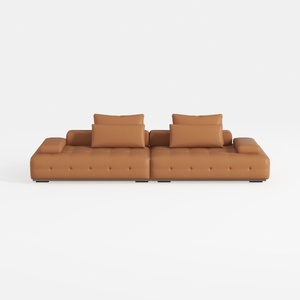
Modern Tufted Leather Oversized Sectional Sofa 3D Model
Discover your home’s potential with Homestyler! This user-friendly platform offers an intuitive online design tool, stunning 3D renderings, and a wealth of inspiring design projects. Plus, easy-to-follow video tutorials make home design accessible for everyone—transform your space today!
تصميم الآن مجانا
































