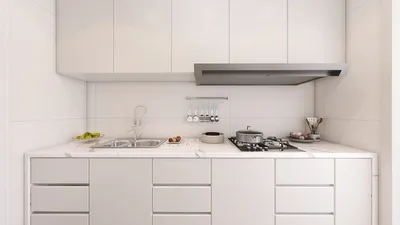


Small areas can accommodate more footwear than many assume—provided the design of layout, sightlines, and access is purposeful. In tight apartments and slim entryways, I focus on vertical dimensions first, layering shallow solutions that allow shoes to be easily visible at a glance. This visibility is significant; studies by Herman Miller indicate that minimizing visual search time during daily tasks can noticeably reduce transition periods and enhance the living experience. Moreover, WELL v2 stresses the importance of clear pathways and clutter mitigation as essential factors for comfort and safety, particularly in entries that often serve as traffic hubs.
The integration of lighting and ergonomic design links the visual appeal with practicality. According to the Illuminating Engineering Society, optimal task lighting is recommended in the 300–500 lux range for household activities; I tend to aim for the higher end when displaying shoes, making colors and marks easily discernible. From a behavioral perspective, positioning the most frequently worn shoes within easy reach minimizes the need for repetitive bending, thus preventing decision fatigue—principles that align closely with user-centered research illustrated by the Interaction Design Foundation, which connects ease of access with sustained behavioral habits.
Evaluate Your Footwear Collection and Organize by Usage Frequency
I begin with a quick assessment and categorize the footwear into three segments: daily use, weekly use, and seasonal/archive. Shoes that are worn daily should be stored between knee and hip height for easy access; those used weekly can be placed higher or lower; while archive pairs find their place on top shelves or underneath the bed. A distribution of roughly 60/30/10 (for daily, weekly, and archive categories) works well for many households. Only keep what can fit comfortably within your designated storage area without overcrowding—items that don't fit with space to spare should be moved to off-season storage bins.
Vertical Solutions with Slim Profiles
When floor space is limited, consider building upwards in increments of 6–9 inches. Shallow shelves (8–10 inches deep) can hold a variety of footwear while keeping the fronts clearly visible. Adjustable peg systems or slotted standards allow for customization of spacing to accommodate both boots and flats. In challenging spaces, a narrow tower (12–16 inches wide) with a lip of 1 inch prevents shoes from sliding. If you're exploring different arrangements, using a room layout tool like Homestyler can assist in visualizing clearances and door operations before making any permanent changes.
Optimize Entry Spaces with Under-Seat Solutions
Benches equipped with flip-up lids or pull-out trays can transform an entry space into both storage and seating for putting on shoes. For hallways narrower than 40 inches, a 5–7 inch deep shoe cabinet that tilts down can help maintain clear passage while concealing visual clutter. Position it in the natural drop zone (where shoes are typically removed) to encourage good habits. Additionally, incorporating a ribbed mat inside helps absorb moisture and protects your flooring.
Choosing Between Modular Boxes and Open Shelving
Both storage options serve their purpose well. Clear-front shoe boxes provide protection for delicate materials and stack efficiently; ventilated variants help manage odors. Open shelving allows for quick access to daily shoes while bypassing the hassle of lifting lids. It’s common to combine both styles: utilize open shelves at eye level for everyday shoes and stackable boxes above them for special occasion or seasonal footwear. Label boxes on the shorter side, and if you prefer sorting by color, group them accordingly to streamline searches.
Utilize Every Available Space: Doors, Toes, and Low Voids
Over-the-door racks are perfect for lighter shoes such as sneakers and flats; select versions with protective hooks to avoid damaging paint. Inside closets, adding a low rail (4–6 inches high) at the floor allows shoes to fit toe-down under hanging clothes, significantly increasing your storage capacity. For deeper cabinets, installing pull-out trays on soft-close slides is effective; a 3/4 extension works, but full extension is ideal for storing boots.
Special Care for Boots and Heels
Tall boots are best kept on clip hangers or with shapers to maintain their upright position and prevent creasing. Heels can benefit from front rails or slanted shelves that allow the heel to rest with the toe slightly elevated, enhancing visibility and avoiding damage to wooden surfaces. In tighter closets, a dual-rail ladder (with one shallow rail for heels and another for flat shoes) can significantly boost capacity without exceeding a depth of 10 inches.
Enhancing Visibility: Light, Color, and Materials
Installing LED strips (3000–3500K warm neutral) along the front edge of shelves ensures accurate color representation and comfort; maintaining a consistent 400–500 lux at the toe box is ideal. Choose matte finishes to minimize glare, while perforated metal or slatted wood shelves enhance airflow and assist in drying shoes. If there are concerns regarding odors, consider discreetly adding charcoal inserts or cedar blocks at the back of your cabinets. Light interiors in off-white or pale gray increase contrast with darker shoes, facilitating quicker identification.
Floor Protection and Moisture Management
Utilize a washable tray or boot mat at the entryway, appropriately sized for your household’s largest simultaneous shoe drop (typically 2–4 pairs). In humid areas, ensure a 1/2–3/4 inch gap behind closed cabinets for ventilation and consider employing a low-draw dehumidifier nearby. Rotate damp shoes into a ventilated space overnight to promote drying; leather footwear especially requires airflow to prevent mildew and prolong its lifespan.
Effective Small-Space Layouts
- Micro entry (less than 30 inches deep): wall-mounted tilting cabinet paired with a slim bench across if building codes allow.
- Studio apartments: a 16–20 inch wide vertical storage tower positioned near entry points, plus rolling under-bed bins for seasonal storage.
- Shared closets: allocate vertical sections by user, dividing each bay into daily/open mid-shelves and upper boxed archive storage, maintaining a symmetrical layout for visual harmony. To pre-visualize arrangements, employ layout simulation tools like Homestyler to ensure door swings and clear pathways are well managed.
Routine Maintenance for Orderly Spaces
Implement a quick two-minute reset each evening: return shoes to their allocated spaces, clean soles on a mat, and allow damp footwear to air out. Monthly, evaluate duplicates and repair any damaged items. Seasonal changes are an excellent time to rotate archive bins and refresh any labels. These small practices help maintain order and prevent clutter from building up again.
Custom Solutions When Needed
For high ceilings or particularly narrow footprints, customized millwork can reclaim valuable inches. I recommend using adjustable uprights in 1-inch increments, shelves made of 3/4 inch plywood or composite with edge banding, achieving a maximum height of 94 inches with a niche for a step stool. For renters, employing freestanding metal standards with clip-in shelves can provide up to 80% of the same benefit without damaging walls.
Expert Insights
Accessibly designed storage at knee-to-shoulder height for frequently used items promotes daily comfort—this aligns with human factors recommendations from the Interaction Design Foundation. Ensuring adequate lighting in storage spaces, targeting 300–500 lux, adheres to the best practices in residential task-lighting and matches the IES task lighting standards. Furthermore, WELL v2 prioritizes uncluttered pathways and supportive lighting as components vital for comfort and safety in homes.
Common Questions
Limit the entry area to shoes that can fit within a single cabinet or tray without stacking—typically accommodating 4–8 pairs for a couple. Excess pairs can be rotated into a closet or under-bed storage.
Allocate 8–10 inches of depth for sneakers, flats, and standard heels. Save 12–14 inches for bulkier training shoes and ankle boots.
Using stackable and ventilated boxes with front openings for seasonal or special footwear is advisable. Ensure they are labeled by category or color for enhanced retrieval efficiency.
To maintain proper shape, utilize boot shapers or clip hangers, positioning heels on a shallow rail. Keep them upright with 1–2 inches of spacing between pairs to allow for air circulation.
Select 3000–3500K lighting for accurate color viewing without glare, aiming for 400–500 lux at the shelf edge to ensure details such as scuffs can be easily seen.
Yes, as long as you maintain 1.5–2 inches of clearance behind the door swing. Over-the-door racks are suitable for lightweight shoes; avoid heavier boots in this configuration.
Using ventilated shelves, regularly opening doors to air out, and incorporating absorbents like cedar or charcoal will help. It’s important to rotate damp shoes to a ventilated area overnight for drying.
Assign vertical storage areas for each user, keeping the layouts balanced visually, and splitting each section into daily/open shelves and upper boxed storage for archive wear.
Positioning shoes at a slight angle enhances visibility while preventing stilettos from moving. Adding a front rail or lip will secure the toe position.
Categorize footwear by type, delineate vertical sections, and test configurations with a tool like Homestyler to ensure that door clearances and walking paths remain unobstructed.
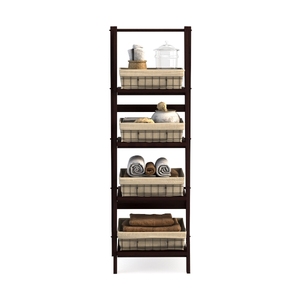
Himimi Bookshelf, Industrial Wood Bookshelves and


Farmhouse Dining Table for 4-6 People, 59 Inch Rec
Discover the magic of home design with Homestyler! This user-friendly platform offers a powerful online design tool, stunning 3D renderings, inspiring design projects, and helpful DIY video tutorials. Bring your decorating dreams to life effortlessly and creatively—perfect for both beginners and experienced designers!
Design jetzt kostenlos
































