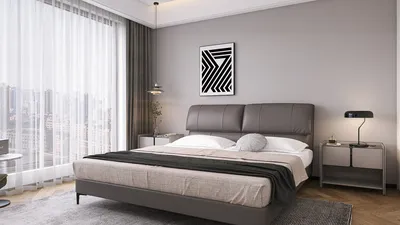


A heater with a 200-watt capacity can be remarkably efficient when coupled with the appropriate space and set expectations. In my projects, I often detail low-wattage heating solutions for micro-studios, personal booths, and deskside comfort where centralized heating fails to deliver or zoning isn't feasible. Envision it as a personal thermal bubble: it offers focused, efficient warmth without being intrusive, and utilizing tools like Homestyler can enhance optimal placement and functionality.
Performance that can be quantified is essential. Research by Steelcase highlights that thermal comfort significantly influences productivity, while dissatisfaction with temperature ranks high among workplace issues; even minor adjustments can alleviate discomfort without needing a major renovation of building systems (Steelcase Work Experience Research). Similarly, WELL v2 suggests maintaining indoor temperatures between 20–24°C in most sedentary areas and advocating for personal adjustments to refine comfort settings (WELL v2, Thermal Comfort).
Realistic Heating Range of a 200W Heater
With approximately 200 watts of power, you can anticipate effective warmth for spaces measuring 25–40 square feet, contingent on factors such as insulation levels, air leakage, and room temperature. Based on my experience, a compact heater performs best in well-insulated corners, nooks, or underneath desks, rather than in open-plan environments. Should your space have significant leakage, even a 200W heater may struggle against drafts—address sealing issues first, then focus on heating.
Energy Consumption and Operational Cost
The energy calculations are straightforward: a 200W heater consumes 0.2 kWh each hour. At a rate of $0.15 per kWh, running it for four hours daily will cost about $0.12, which totals roughly $3.60 monthly. This is notably cheaper compared to heating an entire room. Findings from Steelcase regarding personal climate control supports the idea that localized options can enhance comfort with minimal energy consumption compared to extensive system modifications.
Ideal Applications
• Home office desks where hands or feet may become chilly despite a stable overall temperature.
• Phone booths, focus areas, or micro-spaces that lack dedicated HVAC systems.
• Bedrooms fitted with zoned heating, needing a fast warm-up at the vanity or favorite reading chair.
• Tiny homes or van life setups with high R-values, where 200W serves to enhance passive heating benefits.
• Studio apartments in transitional seasons to avoid activating full-house heating systems.
Positioning and Spatial Dynamics
Heat is strongly affected by distance and accessibility. In smaller areas, maintain a distance of 2–4 feet from the heater while avoiding direct exposure to sensitive materials. Situate it close to the body part you wish to warm—be it your feet, legs, or a cozy seating arrangement. Utilizing a room layout tool, such as the one offered by Homestyler, can effectively illustrate heater placement based on furniture and circulation to avoid obstructive layouts.
Considerations for Material and Finish
Opt for heaters that feature cool-touch exteriors, stable bases, and automatic shut-off features. Surrounding materials should be able to withstand heat—mineral-based paints, solid hardwoods, and wool fabrics perform better than flimsy synthetics. Avoid fabrics near the heater and keep paper products away. A matte finish reduces glare and harmonizes well with tranquil interiors.
Acoustic Considerations
While low-watt heaters generally operate quietly, those with fan assistance tend to produce a subtle hum. If noise sensitivity is a concern, choose models like ceramic heaters known for their near-silent performance, always checking the decibel ratings. In phone booths, I aim for operations under 35 dBA to ensure privacy in conversation.
Ergonomics and User Interaction
Thermal comfort is a highly individual experience. WELL v2 underlines the importance of controllability; I typically pair a compact heater with a timer or a smart plug to avert overheating. Position the heater so you're not straining to adjust its settings. The goal is to make subtle temperature adjustments—focusing on warming extremities without raising the ambient room temperature.
Safety Protocols and Standards
Look for features such as tip-over protection, automatic shut-off for overheating, and verified components. Maintain a clearance of 3 feet from flammable items. Avoid placing the heater near water sources and refrain from using extension cords unless they can handle the load. Consider safety for children and pets—opting for stable, low-profile designs diminishes risks.
Color Perception and Visual Harmony
Compact heaters can disrupt the aesthetic of a serene environment. Neutral colors (such as warm grays, bone, or charcoal) recede visually; whereas vibrant units appear more gadget-like. According to insights from Verywell Mind, warm hues create a cozier atmosphere; combining a neutral heater with warm textiles (like ochre, terracotta, or rust) can enhance feelings of warmth without necessitating higher energy consumption.
Lighting and Warmth Perception
The sensation of warmth is influenced by more than just temperature. IES guidelines highlight the importance of reducing glare and selecting appropriate color temperatures; adjusting ambient lighting to 2700–3000K in the evening can create a warmer environment. Utilizing layered lighting can prevent fatigue from strong contrasts and amplify the heating effects of your heater.
Sustainability Considerations
Utilizing a 200W heater allows you to mitigate peak energy demand while avoiding oversized heating solutions. Coupling it with passive strategies—such as sealing drafts, utilizing layered rugs, and employing thermal curtains—along with a programmed schedule, allows for the most sustainable approach by opting for the minimal wattage necessary for comfort.
Essential Considerations When Purchasing
• Genuine 200W rating alongside low standby power.
• Features for tip-over and overheating protection.
• A stable base paired with cool-touch surfaces.
• Adjustable thermostat or at least two heating settings.
• Preferably quiet operation (less than 40 dBA, crucial for focused tasks).
• An easy-to-clean air intake to avoid dust and odors.
• Compatibility with smart plugs for enhanced control.
Frequently Asked Questions
Q1: Can a 200W heater effectively warm an entire small bedroom?
A1: Not consistently. It's more effective as a personal heater or for warming a specific area within a room. Ensure drafts are sealed and consider adding layers of textiles to enhance its warming capability.
Q2: Is a 200W heater cost-effective when compared to central heating?
A2: Yes, particularly for targeted use. At around 0.2 kWh per hour, it is economical for localized warmth. Utilize it to maintain a lower setpoint for the whole home when not needed.
Q3: What is the optimal room size for a 200W heater?
A3: Ideal for micro-zones up to about 25–40 square feet, depending on insulation and initial room temperature. Larger spaces may dilute the effectiveness of the heater.
Q4: Which is better, fan-assisted or fanless?
A4: Generally, fanless ceramic models are quieter and distribute heat more gently. Fan-assisted units offer quicker heating but introduce noise—choose based on your personal tolerance for sound.
Q5: How should I place the heater for optimal results?
A5: Position it close to the area needing warmth (like under a desk or by a chair) while maintaining a 3-foot distance from flammable materials. For compact spaces, try using an interior layout tool to help plan the best arrangement: consider Homestyler for this purpose.
Q6: Can this heater alleviate cold hands in a home office?
A6: Absolutely. Position it to warm your feet and legs; oftentimes, improving warmth in extremities helps reduce overall discomfort without altering the room's ambient temperature.
Q7: Is a 200W heater safe for continuous use?
A7: It can be safe, provided it has overheat protection and remains unobstructed. I recommend pairing it with timers or smart plugs to prevent unsupervised operation.
Q8: Will my feeling of warmth improve by adjusting the lighting?
A8: Indeed! Warmer color temperatures (2700–3000K) enhance the perception of warmth. Following glare control measures as outlined by IES will also contribute to overall comfort.
Q9: How does lighting affect air quality?
A9: Ensure the heater's intake remains clean to avoid unpleasant odors. Low-wattage heaters typically do not deplete oxygen; however, dust intake near fabrics can lead to particulates if poorly maintained—consistent cleaning is key.
Q10: How does the color of the heater influence comfort?
A10: Neutral-colored heater finishes help avoid visual clutter, while warm-toned textiles amplify the sense of coziness, supporting insights from color psychology.
Q11: Is a 200W heater suitable for usage in a tiny home?
A11: Yes, especially if insulation is sufficient. Combine it with thermal curtains and rugs, allowing the 200W unit to sustain warmth in a small area without straining your energy capacity.
Q12: What features are essential to look for when purchasing?
A12: Look for vital safety features like tip-over and overheating prevention, a stable base, and low noise output. Compatibility with smart plugs can add significant convenience to your setup.
Minimalist Solid Oak Fabric Upholstered Armchair 3D Model

Tomile Solid Wood Wishbone Chair Y Chair

Modway EEI-6312-WHI-NAT Kinetic 49" Wall-Mount Off
Homestyler is your go-to online home design platform! With its user-friendly design tool, stunning 3D renderings, and a wealth of design projects and DIY video tutorials, transforming your home has never been easier. Unleash your creativity and start designing today!
Projete agora para LIVRE
































