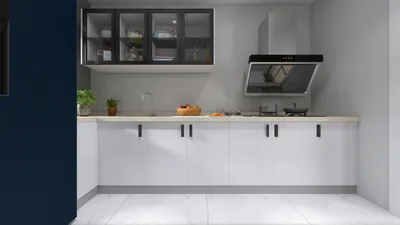


Matte tiles have seamlessly transitioned from exclusive showrooms to commonplace living spaces, and for good reason: they offer low glare, a warm tactile quality, and a sophisticated finish that complements a myriad of styles. In my latest designs, matte porcelain has emerged as a favorite choice for open-plan areas, where managing soft light and simple upkeep is essential. Research supports the advantages of comfort as well. The WELL Building Standard highlights that effective glare management enhances visual comfort and occupant satisfaction, particularly in busy areas with varied lighting. Additionally, findings from Gensler emphasize that environments that promote visual comfort tend to correlate with improved perceived performance—a valuable insight even for residential settings where we read, unwind, and entertain. Exploring design tools like Homestyler can further aid in visualizing these spaces effectively.
The selection of colors and materials also impacts mood and the perception of space. Literature on color psychology suggests that neutral and less saturated tones help minimize visual clutter and foster a peaceful focus, while richer shades can create a more intimate and grounded atmosphere. An overview from Verywell Mind emphasizes that subtle color schemes lay a serene foundation, allowing decorative items and art to shine without overwhelming the senses. These concepts align beautifully with matte surfaces, which soften reflections and help maintain a uniform tone throughout the room.
Advantages of Matte Tiles in Living Areas
- Low glare finish: Matte tiles distribute light evenly, cutting down on harsh reflections from windows or ceiling lights—perfect for areas designated for watching TV or reading.
- Refined tactile quality: The subtle texture typical of matte glazes imparts a natural touch, especially in stone or cement-inspired porcelain.
- Versatile design: From minimalist aesthetics to Japandi, Scandi, or industrial styles, matte tiles blend effortlessly and allow furniture to truly stand out.
- Photogenic: The reduction of glare makes photography and video calls more appealing, which is a pleasant bonus in multifunctional living spaces.
Selecting the Perfect Matte Tile Material
Porcelain: Sturdy, low-porosity, and extremely resilient; it is ideal for busy living spaces, especially those filled with children or pets.
Ceramic: A cost-effective option for low-traffic living rooms; just ensure you check that the PEI ratings correspond with your expected foot traffic.
Natural stone (honed): An opulent option with a natural matte finish when honed; however, it requires sealing and consistent maintenance.
Large-format slabs: Minimal grout lines provide a polished look; verify substrate flatness and professional installation needs.
Color & Finish Considerations
- Warm greige or taupe: Creates a balance between modern and cozy, pairs well with oak, walnut, and boucle fabrics.
- Charcoal or anthracite: Introduces depth; balance with lighter tones on walls or rugs to prevent overwhelming the space.
- Beige limestone or travertine visuals: Offers Mediterranean warmth without the upkeep of softer stones.
- Cement-inspired mid-gray: Reflects urban minimalism while effectively hiding everyday dirt.
The finish is crucial. Ultra-matte tiles have a luxurious velvety appearance but may show marks in darker shades; a satin-matte finish can reduce this problem while minimizing glare. Be sure to seek consistent color batches and request large samples to observe how the surface interacts with your lighting throughout the day.
Dimensions, Patterns, and Arrangement
- Large-format (24"x48" / 60x120 cm): Expands the perception of space while reducing the appearance of grout lines.
- Planks (8"x48"): Bring warmth reminiscent of wood, compatible with radiant heating systems.
- Square classics (24"x24" / 60x60 cm): Provides balanced proportions that work well in most living areas.
- Patterns: Herringbone designs in plank tiles introduce movement; straight-laid tiles present a serene, modern look.
When experimenting with various layouts, using a room design tool such as Homestyler can be invaluable in simulating tile placement, scale, and transitions between living and dining areas.
Light, Glare, and Comfort
Lighting plays a crucial role in how matte tiles present themselves. In crafting living spaces, I map out the paths of natural light and strategically layer artificial lighting to ensure it meets recommended levels for tasks and ambiance. The WELL Standard stresses the importance of reducing disability glare and ensuring balanced contrast; matte flooring contributes to this by eliminating harsh specular highlights. For cozy reading corners and media areas, aim for layered illumination—using wall washers for a warm ambient glow, adjustable floor lamps for specific tasks, and low-glare fixtures to prevent reflections. Consistency in color temperature (2700–3000K) is essential in creating a cohesive, inviting atmosphere across matte finishes.
Sound and Thermal Perspectives
Hard surfaces, such as tiles, can amplify sound compared to carpets. To create a comfortable sound environment, I integrate plush area rugs, upholstered furniture, and acoustic wall art or draperies. For warmth, matte porcelain pairs wonderfully with underfloor heating systems, providing consistent warmth while conserving wall space. In milder climates, the thermal properties of tile can help maintain cooler indoor temperatures during hotter hours.
Safety and Slip Resistance
When selecting tiles for residential purposes, especially in homes with children or pets, it's vital to choose options with appropriate slip resistance. A subtle microtexture on matte porcelain enhances traction while remaining comfortable underfoot. Always check the manufacturer’s DCOF ratings and choose well-balanced textures that are also easy to maintain.
Enhancing Matte Tiles with Grout Choices
- Color-matched grout minimizes gridlines for a sleek, fluid appearance.
- Narrow joints (2–3 mm) on rectified tiles elevate modernity.
- Epoxy or high-performance cement grout provides stain resistance, particularly in living areas that double as dining spaces.
- Consider incorporating shadow lines at edges for a refined architectural finish.
Keeping Matte Tiles Pristine
- Daily: Use a dry mop or vacuum with a soft brush attachment to clear dust that can dull the surface.
- Weekly: Clean with a neutral-pH product; steer clear of oil-based soaps that can leave a film and create uneven appearances.
- For spills: Wipe up quickly; implement entry mats to minimize dirt and debris.
- For stone (honed): Follow the sealing schedule provided by the manufacturer and utilize cleaners specifically designed for stone.
Transitions, Rugs, and Protecting Furniture
Clearly define spaces with area rugs that complement the tile tones while providing noise absorption. Opt for low-profile transitions between different flooring types, such as tile and carpet. Safety pads or felt glides on furniture can protect your tiles and mitigate noise.
Design Trends for 2024-2025
- Japandi-inspired neutrals: Clay, sand, and muted mushroom tones for peaceful living areas.
- Textural minimalism: Micro-texture matte finishes that exude richness under warm light.
- Monochromatic depth: Layer tones across tiles, textiles, and walls for a gallery-like atmosphere.
- Nature-inspired veining: Subtle, stone-like patterns that avoid the shine of polished surfaces.
Common Mistakes to Avoid in Planning
- Neglecting lighting evaluations: Always assess samples under various light conditions throughout the day.
- Utilizing excessively dark flooring in compact spaces without light walls or reflective decor to balance it out.
- High-contrast grout with large format tiles can disrupt visual flow.
- Insufficient substrate preparation: Large tiles necessitate a flat base, so factor in leveling costs.
Optimal Spaces for Matte Tiles in Living Areas
- Open-concept living and dining areas where glare control accommodates diverse activities.
- Media zones where reflection could be distracting.
- High-traffic family areas requiring robust, low-maintenance surfaces.
- Seamless indoor-outdoor areas using coordinated matte tiles for visual harmony (ensure proper slip ratings for exterior applications).
Expert Insights
Balancing visual comfort and glare control is essential for maintaining healthy interior spaces. Guidance from the WELL Building Standard emphasizes the importance of balanced lighting and glare reduction for occupant satisfaction and productivity. Similarly, Gensler's research links supportive environments with improved daily experiences and perceived effectiveness—a consideration that holds true when living rooms also serve as work and study spaces.
Frequently Asked Questions
Q1. Are matte tiles suitable for sunlit living spaces?
A1. Certainly. Matte finishes scatter sunlight and minimize glare, keeping reflections at bay on screens and shiny furniture. Pair these with dimmable lighting to maintain balance from day to night.
Q2. Do matte tiles exhibit footprints more than shiny tiles?
A2. With very dark, ultra-matte options, surface marks may become visible. A satin-matte finish in mid tones (like greige or mid-gray) alleviates this while retaining a low-glare appearance.
Q3. What tile dimension is ideal for a medium-sized living room?
A3. Tiles measuring 24"x24" (60x60 cm) or 24"x48" (60x120 cm) perfectly balance scale and minimize grout visibility. Ensure the subfloor is even to prevent uneven surfaces with large tiles.
Q4. Are matte porcelain tiles prone to being slippery?
A4. Quality matte porcelain tiles generally provide better grip than polished options. Verify DCOF ratings or similar slip-resistance information, and consider matte textures for added security.
Q5. How do matte tiles influence sound within a space?
A5. Hard-surface flooring tends to amplify sound. Incorporate area rugs, soft furniture, curtains, and bookshelves to absorb and soften noise for a more inviting acoustic environment.
Q6. Can I utilize underfloor heating beneath matte tiles?
A6. Absolutely! Porcelain and ceramic tiles efficiently conduct heat, ensuring even warmth and freeing walls from radiators—ideal for minimalist designs.
Q7. Which grout color should be selected for matte tiles?
A7. Choose a grout color that closely matches the tile for a seamless appearance. For stone-like tiles, opt for a shade that blends with the primary hue to prevent a grid appearance.
Q8. Are matte tiles more challenging to clean than shiny tiles?
A8. Cleaning is straightforward using neutral-pH solutions. Avoid oil-based soaps that may leave a film, leading to uneven appearances on matte surfaces.
Q9. Do matte tiles create a cramped feeling in a room?
A9. Not if you manage color and scale effectively. Large tiles, lighter mid tonal palettes, and consistent grout can enhance the perception of space. Dark flooring works well when contrasted with brighter walls and abundant lighting.
Q10. Can matte tiles be utilized in indoor-outdoor arrangements?
A10. Yes, harmonizing interior and exterior matte finishes creates visual continuity, ensuring that outdoor tiles are rated for slip-resistance and weather resilience.
Q11. How do I plan the tile layout prior to installation?
A11. Mock up with full-scale samples and leverage a digital planning tool to explore various patterns (straight vs. herringbone), tile dimensions, and transitions. Tools like Homestyler can help visualize layout and flow.
Q12. Which colors are considered timeless for matte tiles within living spaces?
A12. Warm neutral tones—like greige, sand, mushroom, and soft stone shades—tend to age gracefully, pairing seamlessly with evolving styles of furniture.
Tips 1:
- Order an additional 10–15% for cuts and future repairs, or more if using complex patterns.
- Stagger delivery times while ensuring consistency with on-site batch checks for matching dye lots.
- Confirm the placement of expansion and movement joints based on the room size and sun exposure.
Tips 2:
- Test cleaning products on spare tiles to ensure no residue remains.
- Choose breathable rug pads for radiant floors to avoid hindering heat flow.
- Plan for outlet and cable routing early; low-profile flush floor boxes work well with matte tiles.
Tips 3:
- Align tile grids with key architectural features—like fireplace centers, window lines, or main furniture placements—for a harmonious visual rhythm.
- Think about incorporating subtle borders or changing direction to establish a conversation area without adding physical thresholds.


Round Coffee Table Modern Glass Coffee Table with
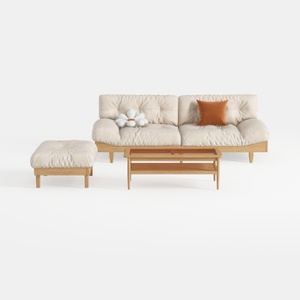
Minimalist Solid Wood Fabric Sofa Ottoman Coffee Table Set 3D Model
Transform your home with Homestyler! This user-friendly online design platform offers an intuitive design tool, stunning 3D renderings, and a wealth of inspiring DIY video tutorials. Whether you're a novice or a pro, bring your vision to life effortlessly and creatively!
Design jetzt kostenlos
































