

Transforming ZSphere models into 3D meshes plays an integral role in digital sculpting, particularly with software like ZBrush. ZSpheres offer a dynamic and user-friendly method to outline basic shapes and proportions for characters, creatures, or objects. To achieve intricate details, rendering, and exporting to various software, these skeletal structures must be converted into polygonal meshes. This process, known as 'adaptive skinning,' is essential. Here’s an in-depth, step-by-step guide on how to accomplish this task effectively using tools such as Homestyler for enhanced visual results.
As a designer, I consistently stress the importance of planning when utilizing ZSpheres. Establishing good topology at this early stage leads to smoother detailing and minimizes the cleanup required in later phases. In high-quality interior renderings or product visualizations, I utilize a comprehensive 3D rendering workflow, potentially incorporating solutions like Homestyler, to guarantee exceptional quality from the initial model to the final output. Clean and well-converted geometry serves as the foundation for successful projects across digital art, architectural visualization, and product design.
Tips 1:
Prior to executing the conversion, it's crucial to evaluate limb thickness, joint density, and branch connections, as these factors significantly impact mesh flow. Additionally, adjust the 'Res' slider to manage mesh density, finding a balance between performance speed and detailed flexibility.
FAQ
Q: What advantages do ZSpheres offer compared to starting with a mesh?
A: ZSpheres facilitate rapid prototyping and seamless posing, considerably reducing time spent in the conceptual phase before finalizing mesh details.
Q: How can I resolve odd geometry issues post-conversion?
A: Ensure the ZSphere alignment is correct, avoid overlaps, and use the Adaptive Skin settings to adjust density or experiment with 'Dynamic' mode to improve results.
Q: Is it feasible to retopologize my mesh after skinning?
A: Absolutely! ZBrush includes retopology tools. For purposes like animation or 3D printing, retopologizing guarantees a clean, efficient mesh structure.
Q: Can I convert only specific sections of a ZSphere model?
A: Unfortunately, adaptive skinning affects the entire ZSphere framework; however, once converted, you can modify and separate the resulting mesh as needed.
Q: Is the process of converting ZSpheres to mesh applicable for all types of models?
A: It is primarily suited for organic shapes, such as figures and animals, but with creative linking techniques, hard-surface models can also be initiated effectively.

Minimalist Concrete Large Planter Pot with Greenery 3D Model
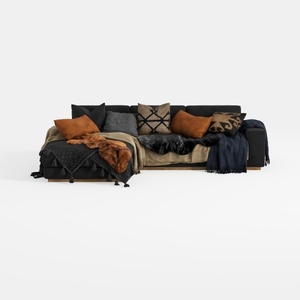
Modern Black Fabric Sectional Sofa with Decorative Throw Pillows and Blankets 3D Model

Minimalist Walnut Round Coffee Table 3D Model
Homestyler is your go-to online home design platform that empowers you to create stunning spaces effortlessly. With its user-friendly design tool, impressive 3D rendering, diverse design projects, and helpful video tutorials, you can transform your interior design dreams into reality, all from the comfort of your home!
立即免费设计
































