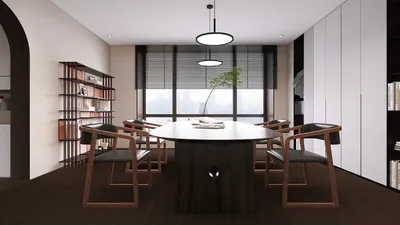


Securing a hostel room at IIT Delhi marks a pivotal moment for both new and returning students. This practical guide is designed to help you efficiently navigate the process from application to securing your keys confidently. We will cover important aspects including eligibility requirements, application schedules, the merit-based allocation system, category reservations, and formalities associated with check-in and room organization.
Once you arrive, effective space planning is crucial. In shared accommodation, how you configure your space can significantly impact your sleep quality, study effectiveness, and social interactions. According to the WELL v2 Building Standard, there’s a beneficial link between effective lighting and circadian design when it comes to enhancing alertness and promoting better sleep. Utilizing advice on glare management and adjustable lighting can also help minimize exhaustion during those late-night study sessions. Additionally, Steelcase’s research highlights the importance of ergonomic seating and posture support in reducing discomfort and boosting concentration—keep this in mind when choosing your desk chair or considering the addition of a footrest.
Eligibility and Application Windows
Room assignments are typically determined by factors such as your program type (UG, PG, PhD), academic year, and adherence to category-based reservation policies established by both the institute and the government. Stay informed by tracking updates on the IIT Delhi student portal regarding application openings and deadlines. To prevent any last-minute issues, prepare digital copies of your admission letter, identification documents, and any necessary category documentation ahead of the application window opening.
Priority, Reservation, and Merit Considerations
New students generally receive priority within their intake group, followed by returning students who are evaluated based on merit and attendance records where applicable. Reservation policies are implemented to ensure equitable access. Be proactive by monitoring provisional lists, keeping track of grievance submission periods, and checking final lists; act promptly if you notice any discrepancies.
How the Allotment Process Typically Flows
The institute announces hostel capacity, application instructions, and timelines. You’ll be asked to submit your preferences concerning hostel blocks or room types if available. Following this, the hostel office manages the allocation process based on established priority bands and reservation rules. Provisional results are shared, after which document verification and fee payment occur. Only after all confirmations are complete are you eligible for check-in.
Documents, Fee, and Check-In
Prepare to present an ID card or admission letter, fee receipt, passport-sized photographs, medical declarations (if required), and any original reservation certificates. During check-in, the caretaker will issue your keys along with an inventory list detailing what’s included (like the mattress, fan, chair, and desk). It’s wise to document the condition of your room and its furnishings to prevent disputes when it’s time to vacate.
Room Types and Practical Setup
You can expect single, double, or triple occupancy based on your assigned hostel block and room availability. In shared rooms, it's best to quickly establish agreements regarding shared areas—this includes bookshelves, electrical outlets, and cleaning schedules. For optimal study comfort, aim for a clutter-free workspace with lighting around 300-500 lux for focused tasks (as recommended by typical IES guidelines). If your room tends to get excess afternoon sun, using a simple curtain liner can help control brightness and heat.
Lighting and Ergonomics that Actually Help
Proper lighting and posture are vital for focus and recovery. The WELL v2 standards emphasize the importance of circadian support alongside glare reduction; thus, opt for warm-to-neutral task lighting in the evening to promote relaxation, while brighter, cooler lighting during the day can keep you alert. Steelcase’s findings further reinforce the need for correct seat height and lumbar support; if your chair isn’t adjustable, consider a small cushion for added support and make sure your knees are at a 90-degree angle with feet flat or elevated on a footrest.
Noise, Sleep, and Study Balance
Typically, hostels experience higher noise levels during peak times. Employ simple acoustic strategies, such as placing soft materials (like rugs, cork boards, or fabric curtains) to absorb sound. Establish quiet hours with your roommates and position your desk away from doors and high-traffic areas. Noise-cancelling headphones are useful for online learning, while earplugs can be invaluable for nighttime peace.
Shared Living Etiquette and Safety
Creating a set of guidelines is important: establish cleaning schedules, policies for guests, and rules around shared appliances and light usage. A minimal surge-protected multi-plug is advisable; avoid daisy-chaining extension cords and using high-wattage devices against the rules. Clearly label your food, agree upon refrigerator guidelines if applicable, and keep pathways clear for safety.
Move-In Checklist
• Documentation: Ensure you have originals and copies, along with your fee receipt
• Bedding: Don’t forget a mattress protector, pillow, and lightweight duvet
• Study Essentials: A desk lamp, a surge-protected extension cord, and notebooks are key
• Comfort Items: Consider packing a lumbar cushion, a compact footrest, and earplugs
• Organization: Use a shoe rack or crates, hooks for bags, and a laundry bag
• Cleaning Supplies: Bring along cleaning wipes, a small broom, and disinfectants
Layout Tips for Shared Rooms
In double-occupancy rooms, position beds on opposite walls to minimize nighttime disturbances, and place desks perpendicular to windows to reduce screen glare. If space seems tight, try a room layout tool before purchasing storage items; this way, you can visualize how everything fits together and avoid clutter.
Maintenance, Repairs, and Inventory
If you encounter any defective fixtures (such as fans or lights), report them to hostel maintenance right away, documenting ticket numbers and taking timestamped photos. In multiple-occupancy situations, remember that maintaining inventory is a shared responsibility—any damages should be reported to the caretaker swiftly to avert penalties.
Sustainability in Daily Habits
Promote energy-saving practices: turn off task lights when not in use, prefer high-efficiency LED bulbs, and utilize cross-ventilation before activating fans. Establish a small recycling corner for papers and plastics, and share cleaning supplies to minimize waste. Incorporating potted plants can enhance the perception of air quality and provide visual tranquility without excessive upkeep.
Frequently Asked Questions
Stay updated by regularly checking the IIT Delhi student portal alongside official announcements. Application windows are communicated with precise start and end dates, so set calendar reminders and prepare your documentation ahead of time.
Typically, priority is determined by factors like cohort (UG/PG/PhD), new admission status, merit rankings, and existing reservation policies. Provisional lists reflect these criteria, and you can file grievances as necessary.
While preferences may be requested, allocations are subject to availability and institutional policy. It's important to note that roommate selection isn’t guaranteed; establish communication upfront to set shared living guidelines after allocations are finalized.
A practical brightness level for task lighting ranges from 300 to 500 lux, ensuring a balance that minimizes glare. Combine ambient lighting with a focused desk lamp placed next to your writing hand for the best results.
Enhance your ergonomic setup by including a small lumbar cushion, ensuring your feet are flat (or resting on a compact footrest), and adjusting your screen height to eye level. Such ergonomic improvements draw from well-established workplace comfort studies.
To control sound levels, incorporate soft furnishings to absorb noise, agree upon quiet hours, adjust your desk's location away from entrances, and always keep headphones or earplugs at hand during busy periods.
Notify the hostel caretaker and submit a maintenance request through the appropriate channels. Always retain photographs and specific dates; this documentation will safeguard your inventory deposit and expedites resolution.
In most instances, using high-wattage appliances is not allowed due to safety and electrical load concerns. Stick to devices permitted by regulations, utilize a surge-protected multi-plug, and avoid connecting extension cords in succession.
Optimize your space by employing vertical shelving, under-bed storage bins, and labeled crates. Use an interior layout planner to visualize arrangements and prevent congestion in high-traffic areas.
Implementing tunable, glare-controlled lighting is key in supporting your circadian rhythm while reducing eye strain; this approach enhances focus during lengthy study sessions and aids in recuperation after exhausting days.
For additional insights on health-promoting environments and student productivity, explore resources like the WELL v2 guidelines and research from Steelcase.


Homestyler is your go-to online home design platform, perfect for both beginners and seasoned decorators. With its user-friendly design tool, impressive 3D rendering, diverse design projects, and informative video tutorials, transforming your home ideas into reality has never been easier!
Progetta ora GRATIS
































