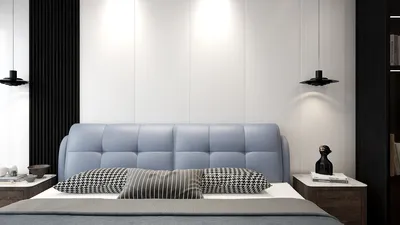


I have installed countless wood panel walls across various spaces—from cozy urban bedrooms to expansive open-concept living rooms—and the results are consistently impressive: they add warmth, texture, and create a focal point that enhances the overall aesthetic. A carefully crafted panel wall can also improve acoustics and perceived comfort levels. Research conducted in workplaces shows tangible benefits when material choices strike a balance between visual warmth and sound management; studies by Steelcase have found that environments with minimized visual and auditory stress correlate with improved focus, while WELL v2 emphasizes sound and light control as essential factors for occupant comfort.
To quantify the aesthetic advantages, consider this: the WELL v2 Sound concept outlines methods to diminish background noise and reverberation; simple solutions such as wood panels with a felt backing can help achieve reverberation times closer to recommended standards for living areas (typically between 0.4–0.6 seconds for small spaces), which enhances speech clarity and overall comfort. In terms of visuals, research from Verywell Mind indicates that warm wood tones can evoke a sense of comfort and stability, enhancing neutral color palettes without overwhelming them. Further insights from Herman Miller consistently link human-centered material selections to greater cognitive ease and satisfaction, both in work and home environments.
Plan the Wall You Actually Need
Before installing any panel, determine the purpose of the wall. Will it serve as a backdrop for a television, a feature wall behind the bed, or an accent for the dining area? Scale and rhythm are crucial. For living rooms, a balance of 60/30/10 works effectively: 60% calm surfaces (like paint or plaster), 30% textured wood, and 10% accent features (lighting or artwork). If laying out slats, maintain consistent gaps—typically 10–15 mm— for sharp shadow outlines. For panel grids, ensure modules align with outlets and existing millwork. Consider using a room layout tool, such as Homestyler, to visualize proportions and circulation effectively.
Select the Right Wood and Finish
Wood species significantly influences the atmosphere. Oak offers a classic grain and absorbs stain uniformly; walnut presents a luxurious, darker appearance; while ash or maple maintains a bright, contemporary feel. In high-traffic areas, I recommend prefinished UV-cured panels, as they better resist micro-scratches compared to site-applied finishes. For a serene, modern look, opt for a matte or low-sheen finish (5–15 gloss units) to reduce glare; IES guidelines for residential spaces suggest limiting specular reflections to minimize visual fatigue near screens and task areas. If sustainability is a priority, seek out FSC-certified plywood substrates and low-VOC finishes that align with WELL v2 material criteria.
Solid Panels, Slat Walls, or Shiplap?
Each panel style conveys a unique rhythm. Solid veneered panels are sleek and modern, ideal for placements behind cabinetry or media units. Vertical slat walls add dimension and enhance sound diffusion; pairing slats with dark acoustic felt can help absorb flutter echoes in rooms with hard surfaces. Shiplap, when installed with minimal reveals, appears more refined than rustic in a muted color. Choose the orientation of the boards based on ceiling height: vertical boards direct the eye upward, whereas horizontal boards can widen small spaces. I like to keep slat thickness between 12–18 mm with a gap of 10–15 mm; this configuration ensures crisp shadows without excessive dust accumulation.
Measure Twice, Mock Up Once
Accurate measurements prevent frustrations later. Document the locations of outlets, switches, and TV mounting points. Create a full-width story pole with marked module spacing to ensure alignment across the wall. If you’re paneling over a door, maintain continuous plinths and wrap the casing with matching veneer for a seamless appearance. I prefer to mock up the layout with painter’s tape—especially around corners and ceiling transitions—to verify alignment prior to cutting.
Prepare the Surface
Wood panel walls can highlight imperfections. Smooth out bumps, sand, and prime the surface. If installing slats, use stapled black acoustical fabric on the wall to conceal gaps and absorb mid-to-high frequency sounds. In humid climates, consider adding a thin ventilated batten system to promote air circulation behind panels, minimizing the risk of warping. Maintain a perimeter expansion gap of 5–10 mm for solid wood to accommodate seasonal expansion.
Cut, Seal, and Stage
Pre-cut boards and ensure all edges are sealed—especially the end grain. Even factory-finished slats can benefit from sealing cuts to prevent moisture absorption. Organize boards by grain and color; blending tones across the panel wall creates a natural, cohesive look. Lay out the first row perfectly level, as all subsequent boards will reference this foundation. For mitering corners, secure long cauls to maintain flush surfaces while the adhesive cures.
Fixing Methods That Keep It Clean
Select your attachment method based on the anticipated need for removal. For semi-permanent installations, a strong construction adhesive combined with 23-gauge pins leaves minimal marks on the face. If panels may need to be taken down, consider using hidden clips or a French cleat system. Always locate and secure to studs for heavier installations; TV walls can carry dynamic weights. Mark stud locations in advance and pre-drill to prevent splitting.
Integrate Lighting Thoughtfully
Wood and lighting create an excellent partnership. For grazing light, ensure slats are aligned meticulously—small inconsistencies will be noticeable. Use warm-white LEDs in the 2700–3000K range for a comfortable residential glow; WELL v2 recommends adjusting color temperatures to support natural circadian rhythms while minimizing glare. Recess linear LEDs in low-profile channels and add diffusers to soften bright spots. If the panel wall faces a window, opt for a low-sheen finish to mitigate glare.
Acoustic and Human Factors
Flat walls and hard floors often create flutter echoes; wood slats with finger padding can mitigate this without heavy drapery. In seating areas, managing early sound reflections reduces perceived loudness, enhancing conversational ease. From an ergonomic perspective, avoid placing heavily textured panels in main working zones if distractions are a concern; it’s better to reserve those textures for peripheral areas while keeping clear sightlines near desks and screens.
Color and Mood
Warm wood tones harmonize beautifully with muted cool paints—imagine a soft gray-blue against honey oak. Insights from Verywell Mind describe how blue tones can foster calm and concentration, while browns and wood hues convey stability. In bedrooms, I frequently combine a light sage paint with ash panels for a restorative ambiance; in living spaces, walnut paired with warm neutrals (like taupe and cream) creates an elegant, grounded atmosphere.
Finishing Touches and Maintenance
Seal perimeter gaps using color-matched flexible caulk, then add a subtle shadow reveal at ceiling transitions for a professional finish. Clean slats with a soft brush attachment and steer clear of high-gloss polishes that could lead to glare. Minor scratches can be masked using a wax touch-up stick; deeper blemishes may be remedied through steaming and re-sanding on solid wood surfaces.
Budget and Timeline
Material prices can vary significantly: prefinished slat kits are on the higher end, while DIY plywood and veneer options are more economical but labor-intensive. Allocate a weekend for small wall projects and two to three days for larger feature walls that incorporate lighting. If coordinating around a media unit, it’s best to install panels first, followed by mounting components to maintain clean sightlines.
Common Layout Pitfalls
Avoid beginning with a partial board in a visible corner—center the pattern and allow cuts to occur where they are least obtrusive. Be mindful of outlet placements; adjust the orientation of slats or construct integrated boxes using matching veneer. If you foresee future rewiring needs, include a removable service panel.
FAQ
Utilize solid panels for a serene, minimalist backdrop and opt for slats when depth and acoustic diffusion are desired. Slats are ideal for media walls and entry areas, while solid panels are effective behind shelving and artwork.
Warm-white LEDs in the 2700–3000K range enhance the natural warmth of wood and soften harsh lighting. Pair these with dimming options to adjust ambiance.
Yes. Slats with felt backing help absorb and diffuse sound effectively, decreasing flutter echoes and enhancing speech clarity—consistent with WELL v2 Sound strategies.
Plan their placements before cutting. Use trim rings or create shallow boxes with matching veneer for a polished, integrated look.
Opt for matte or low-sheen finishes to minimize glare and fingerprints, which maintains a visually calm environment around screens and windows.
Leave a 5–10 mm perimeter expansion gap for solid wood panels and avoid installation in unconditioned spaces without proper ventilation baffles.
Oak and ash are great for light, contemporary tones; walnut offers a richer, darker palette. Maple has a clean appearance but might need warm lighting to prevent a cold look.
Employ hidden clips or a French cleat system instead of relying solely on full-surface adhesive. Panels can be removed without damaging the underlying substrate.
Definitely. Securing to studs is crucial for mounts; route cable channels behind panels, and utilize low-sheen finishes to limit glare.
Absolutely. Sealing the end grain keeps moisture from penetrating and ensures color remains consistent across the boards.
Plan a module that aligns with room edges, miter corners where needed, and ensure the grain direction is consistent between adjacent boards.
Utilize an interior layout planner, like Homestyler, to test scale and sightlines before proceeding with any cuts: it's an invaluable room design visualization tool.
Discover the magic of home design with Homestyler! This user-friendly platform offers an intuitive online design tool, stunning 3D renderings, and a wealth of inspiring design projects and video tutorials. Transform your space effortlessly, no experience needed. Start creating your dream home today!
Zaprojektuj teraz za darmo
































