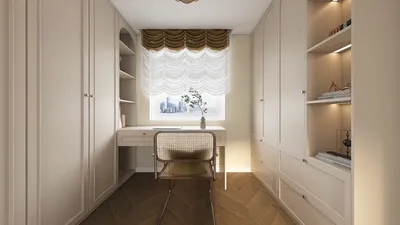


Wall marker solutions serve as invaluable yet often overlooked tools for those committed to flawless home décor and polished DIY endeavors. Whether you're having difficulty aligning frames without leaving additional holes or aiming to craft an accurate mural, the ideal wall marker can shift frustration into achievement. In this guide, you'll learn how to select, employ, and optimize wall marker tools for dependable, precise outcomes—backed by experienced designers' insights and real-world project illustrations.
Core Takeaways:
Let’s explore essential elements of wall marker selection and usage, empowering you to decorate or renovate with confidence each time.
Selecting the Ideal Wall Marker for Precise Designs
Professional interior designers suggest evaluating your wall’s paint characteristics, finish, and design complexity prior to choosing a marker. For sharp, vivid lines on smooth walls, a paint pen can work wonders—but be sure to select water-soluble options unless a permanent solution is desired. Removable chalk markers are highly recommended for delicate matte finishes and comply with ADA standards for accessible signage projects (find out more from the Americans with Disabilities Act (ADA)). For intricate stenciling or temporary designs within upscale living environments, a top-quality washable pencil will combine precision with subtlety.
Affordable laser wall markers, priced under $40 from brands like Bosch and BLACK+DECKER, have emerged as an industry standard in the U.S. for ensuring level and plumb arrangements. The American Institute of Architects (AIA) indicates that over 70% of modern renovation toolkits now include laser tools, particularly for projects adhering to LEED requirements or local building codes. Pro tip: Always keep additional marker refills and batteries handy—nothing disrupts a layout session like a malfunctioning tool mid-project.
How to Utilize Wall Markers Without Damaging Your Space
Preparation is a designer’s safeguard against common mistakes. Begin by cleaning your wall with a lint-free cloth—dust or oil can lead to smudging and irregular lines. Testing your wall marker on a concealed portion (such as behind furniture) should be a mandatory aspect. From my experience in managing rental revamps, proper preparation saved an average of two hours per project on additional cleaning or paint touch-ups.
For multi-phase layouts (think gallery walls or open shelving), apply light pressure with single strokes that are easy to erase. A magic eraser or a slightly damp microfiber cloth can typically remove most contemporary markers from eggshell or satin finishes. If you’re anxious about lingering marks, especially in older or lead-painted homes (check HUD guidelines for lead paint safety), consider using repositionable tape as a physical guide. This strategy, endorsed by the National Association of Home Builders (NAHB), adheres to both ADA and HUD regulations, minimizing unintentional wall damage or color lifting.
Smart Techniques for Flawless Layouts Every Time
Consistency is determined by method rather than chance. My most effective system, honed through staging over 100 homes, is the 'dot and string' approach: place two small dots with a marker, stretch a string taut between them, and trace for a perfectly straight reference line. For corner configurations or wraparound motifs, employ an angle finder combined with a laser wall marker for top-tier accuracy—this method is highlighted in AIA-certified case studies and trade articles.
For temporary or seasonal decorating, sticky notes marked with your wall marker can help save your paint and provide wonderful flexibility. Using a foldable level ensures your work stands up to scrutiny—both visually and for future valuations or inspections. Many designers also advocate for digital layout tools; for instance, Homestyler's Floor Planner allows you to simulate your wall marker plan virtually before making any physical marks, optimizing efficiency on expansive or detailed projects.
By integrating these innovations and best practices, you'll avoid the most expensive renovation blunders—excess drilling, wall repairs, and negative first impressions with clients or visitors.
Maintenance and Safety Recommendations
Proper upkeep prolongs the life of your markers and protects wall finishes. Store markers horizontally to avoid clogs and check ink flow on scrap materials before using. After finishing each project, cleanse residual marks with a cleaning agent suited for your wall type—oil-based marks usually require a specialized remover, while water-based ink can be easily managed with mild soap and water. When marking in homes constructed before 1978, always consult EPA lead-safety guidelines before sanding or repainting areas marked with the tools.
Innovative Tools to Optimize Your Marking Workflow
Don’t overlook the advantages of intelligent marking solutions for 2025 and beyond. Laser lines with Bluetooth synchronization, erasable paint pens created for LEED-compliant surfaces, and app-linked digital planners are eliminating uncertainty from both simple enhancements and more complicated renovations.
FAQ
Q: How should I choose an ADA- or LEED-compliant wall marking tool?
A: Select markers specifically marked as low-VOC, non-toxic, or LEED-certified for sustainable projects. For ADA signage, opt for high-contrast, removable selections to comply with visibility and upkeep criteria.
Q: What’s the safest way to mark walls in a child’s bedroom?
A: Use washable markers labeled "child-safe" that adhere to ASTM D-4236 standards, ensuring they contain no VOCs or fumes. Always perform a removability test in a concealed area first.
Q: Are laser wall markers a worthy investment?
A: Absolutely—for intricate installations or frequent updates, a laser wall marker enhances accuracy and saves significant time. Most designers and professionals now view them as essential.
Q: How do I eliminate stubborn wall marker stains?
A: For water-based inks, utilize warm soapy water and a microfiber cloth. For tougher stains, a melamine foam sponge (magic eraser) is safe for most modern paints—always test it in a hidden area first.
Ready to elevate your DIY or professional design task? Explore Homestyler’s complimentary Floor Planner to visualize arrangements and experiment with marking tools in a risk-free virtual environment—no damage to your actual walls. Start your ideal project today!
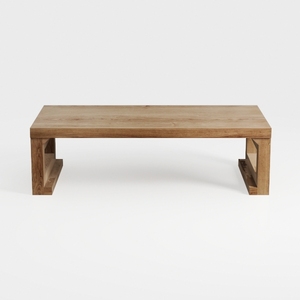
Bed Table Bed Desk Living Room Simple and Creative
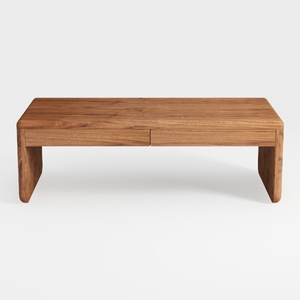
Minimalist Solid Wood Two Drawer Coffee Table 3D Model
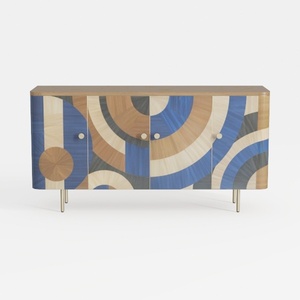
Art Deco Geometric Pattern Solid Wood Sideboard with Metal Legs 3D Model
Discover Homestyler, your go-to online home design platform! Enjoy an intuitive design tool, stunning 3D renderings, and a treasure trove of inspiring design projects and DIY video tutorials. Whether you’re a novice or a pro, bring your dream space to life effortlessly!
Desain sekarang Gratis
































