


Learning to draw a wall may appear straightforward, but it can be challenging when faced with a blank canvas or digital workspace. Whether you are embarking on a home improvement project, delving into architectural design, or engaging in artistic studies, mastering the art of wall drawing is essential. This skill serves as a cornerstone for all subsequent tasks, impacting layout, creative choices, and effective communication in professional settings. Below, you will discover a thorough guide that caters to novices and experienced DIY enthusiasts, integrating both traditional methods and advanced digital tools. The aim is to achieve accurate and visually appealing depictions of walls for any endeavor. Let’s get started!
Essential Pointers Before You Start Drawing
1. Accuracy is Key: Common mistakes often arise from disregarding scale and proportions, leading to mismatched designs and expensive errors. Whether you are drawing by hand or using software like Homestyler, ensure your design adheres to a precise scale.
2. Select Your Perspective Carefully: Plan views are crucial for establishing spatial arrangements, while elevation and 3D views provide insights into height, materials, and functionality. Determine which perspective aligns with your project's objectives before proceeding.
3. Proper Tools Set the Foundation: Use high-quality pencils, a scale ruler, and graph paper. For digital applications, platforms like SketchUp and Homestyler provide both precision and flexibility, perfect for detailed designs.
Tools, Techniques & Preparation for Wall Drawing
Assemble your essentials: mechanical pencils for crisp lines, precision erasers, a scale ruler, architect’s or engineering graph paper, and a straightedge. If you prefer digital, platforms like Homestyler, alongside free and professional options, are ideal for serious projects, while creative software like Procreate or Photoshop excels for quick visual concepts.
Before you start sketching, ensure you detail the following aspects:
Step-by-Step Guide: Drawing a Wall from a Plan View
Advancing Beyond Basics: Elevation and 3D Wall Drawings
Elevation Views: Begin by sketching a rectangle that corresponds to your wall’s measured length and height from the plan view. Incorporate baseboards, moldings, textures (such as brick or stone), and any fixtures. Leverage templates for repetitive elements. Confirm alignment with the plan for accuracy.
3D Perspectives: Establish a horizon line and two vanishing points to create a two-point perspective. Define the wall outlines receding toward each vanishing point to generate an authentic sense of space. After the basics are established, apply shading and textured patterns to differentiate materials, even in monochrome.
Digital Tip: Utilize Homestyler’s Floor Planner, which is equipped with extensive libraries of wall designs along with real-time measurement features—take advantage of its snap-to-grid and annotation tools for flawless results without uncertainty.
Practical Examples: Common Styles and Applications
Look at actual renovation or construction images for additional tips and distinguishing elements.
Expert Advice for Drawing Walls That Impress
FAQ
Q: What is the most effective starting viewpoint: plan, elevation, or 3D?
A: Begin with the overhead plan view for layout, then explore elevation or 3D perspectives for specifics or presentations. Each view has a distinct purpose—don’t overlook any for a complete design.
Q: How can I prevent scale errors?
A: Always verify your scale prior to detailing. Employ graph paper or digital grids and consistently double-check primary dimensions as your drawing progresses.
Q: What is the simplest way to differentiate materials?
A: Implement industry-standard hatch patterns (like brick or concrete) or use digital coloring techniques for presentations. Create a small legend sheet for reference, especially useful in collaborative projects.
Q: Are there digital solutions that simplify wall drawing?
A: Absolutely! Tools such as Homestyler, SketchUp, and free applications like RoomSketcher allow users to drag, drop, and tailor walls with real-time measurements and instant 3D visualizations—ideal for quick adjustments and professional presentations.
Q: Where can I find official guidelines for wall drawings in the United States?
A: Consult the AIA Graphic Standards, HUD design references, and your local building authority for the most current and compliant specifications.
Regardless of your skill level, the ability to draw walls is fundamental in any design process. Whether you prefer traditional sketching methods or modern digital planners, honing this capability can greatly enhance your outcomes in renovations, new constructions, and innovative home designs. Ready for high-quality visuals? Begin your project with Homestyler’s Floor Planner—experiment, create 3D previews, and elevate your designs seamlessly.


Minimalist Solid Oak Bookshelf Open Storage Display 3D Model
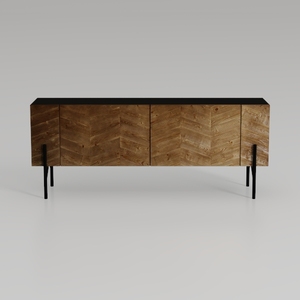
Modern Chevron Solid Wood Metal Sideboard 3D Model

Homestyler is a fantastic online home design platform that empowers you to create stunning spaces effortlessly. With its intuitive design tool, impressive 3D rendering features, and a wealth of inspiring design projects and DIY video tutorials, transforming your vision into reality has never been easier!
立即免费设计
































