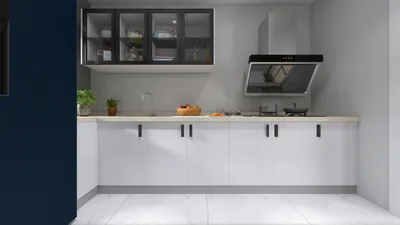


Over the years, I've designed countless veneer kitchens, and the most successful ones achieve a harmonious combination of aesthetics, durability, and functional design. Veneer allows you to display exquisite wood grain and color tones without the added bulk and expense of solid wood. When executed precisely, it provides a stable and uniform surface. Below are design insights regarding grain-matching, substrate selection, edge treatment, illumination, sound design, and upkeep—along with functional work zones that ensure cooking remains effortless and tranquil, enhanced by tools like Homestyler.
Optimally designed kitchens enhance comfort and productivity in significant ways. Natural light combined with electric task lighting boosts visual perception and awareness. The WELL v2 Light framework emphasizes how effective lighting and glare control improve comfort and support natural rhythms. In professional environments, thoughtfully arranged spaces correlate with enhanced performance, and this concept is equally applicable at home; studies indicate that improved spatial planning and user control lead to greater satisfaction and productivity, as noted in Gensler Research.
Understanding Veneer and Its Role in Kitchen Design
Veneer consists of a thin layer of genuine wood affixed to a sturdy core, showcasing authentic grain with fewer seams than solid wood planks. As the core is engineered—usually made from plywood or MDF—these panels provide exceptional resistance against warping due to humidity fluctuations often found in kitchen settings. This dimensional stability is primarily why I prefer veneer for tall doors, appliance panels, and extensive drawer fronts, as solid wood can twist or cup over time.
Selecting the Right Core Material: MDF or Plywood?
Choose your substrate based on the required span, load-bearing capacity, and edge finishing. MDF offers a glass-like surface ideal for seamless veneering and painting, coupled with excellent machining for designing handle profiles. Plywood, on the other hand, is lighter and provides better strength for screw retention, making it perfect for tall pantry doors. For doors measuring 18–22 mm, I typically specify MDF for its premium flatness and apply hardwood lippings to exposed edges; in cases of carcasses and shelves, using furniture-grade plywood helps manage weight while ensuring stability.
Aligning Grain Patterns for a Cohesive Look
The alignment of grain is crucial in achieving a customized appearance as opposed to a mismatched look. Make early decisions on whether to use vertical or horizontal grain. Horizontal grain can visually widen compact kitchen spaces and create a serene, linear flow across drawer units and appliance panels, while vertical grain can create the illusion of height in tall cabinetry. For a gallery-worthy visual, utilize sequence-matched flitches and plan door and drawer dimensions to ensure cohesion across transitions. Aligning the fronts on a grid of 64-128 mm helps maintain rhythmic order, creating a visually organized look and decreasing distractions.
Types of Face Veneer Cuts: Flat, Quarter, or Rift
The method of cutting influences the character of the wood. Flat-sawn oak yields cathedral patterns, rich and inviting. Quartered teak or walnut provides straighter lines with subtle flecks, ideal for a contemporary minimalist array. Rift-cut oak eliminates medullary rays, producing a refined, architectural grain. To find a balance between aesthetics and durability, I often use rift oak for significant surfaces and a bolder flat-sawn design for standout features like a tall panel or the back of an island.
Finish Options: Sheen, Protection, and Texture
Low-sheen finishes (5–15 gloss) effectively conceal fingerprints while preserving the allure of real wood. Highly durable two-component polyurethane or high-solids waterborne systems offer robust chemical and abrasion resistance, making them suitable for kitchen environments. For a hand-rubbed aesthetic without the maintenance issues, opt for a matte, UV-cured finish that maintains texture while resisting yellowing. Special care should be taken in sink and eating areas by ensuring moisture resistance and tightly sealed edges.
Hinge and Hardware Considerations
When it comes to veneer doors, it’s vital that hardware is appropriately chosen based on the panel's size and weight. Employ soft-close, concealed hinges rated between 110°-155° for taller cabinets, adding an additional hinge for stability at heights exceeding 1,500 mm. For larger drawer fronts featuring horizontal grain, select under-mount slides with a weight capacity of 40-60 kg, ensuring minimal racking and consistent reveals over time. Incorporated pulls or coved finger rails can be crafted into MDF-core fronts; for plywood cores, apply rails or metal pulls to maintain structural integrity.
Illuminating for Tasks, Ambiance, and Grain Enhancement
Nothing enhances the beauty of veneer more than strategically placed lighting. Aim for 300–500 lux on countertops for effective task lighting, while utilizing warm 2700–3000K LED strips beneath cabinets to create an inviting atmosphere and 3500–4000K for precise meal preparation. Avoid glare by recessing LED strips behind micro-baffles and employing diffusing lenses; consult the Illuminating Engineering Society for standards on brightness and glare management. Incorporating concealed toe-kick lighting elevates base cabinets and highlights the elongated grain patterns across lower drawer units.
Enhancing Ergonomics and Workflow
Quality cabinetry is designed to support bodily functions and daily routines. Organize primary preparation zones between the sink and cooktop, allocating space for knives, cutting boards, and mixing bowls directly beneath. The optimal reach zone spans from hip to shoulder height, where commonly used items should be stored to minimize bending and reaching overhead. Utilizing deep drawers is more advantageous than doors for storing heavy cookware—allowing for improved visibility without the need to crouch low. To refine these relationships in workflow, utilizing tools like Homestyler can aid in visualizing clearances and work triangles before committing to a plan.
Acoustic Comfort in Kitchens with Hard Surfaces
Wood veneer inherently possesses a richer acoustic quality compared to laminate or glass. However, modern kitchens can still be prone to echo. Integrating felt-lined cutlery organizers, soft-close dampers, and micro-perforated backing panels inside tall cabinets can mitigate sound clatter. Additionally, using upholstered seating, fabric pendants, and cork underlayment beneath hardwood flooring helps balance reverberation while preserving an airy aesthetic.
Mitigating Moisture and Heat for Longevity
Edge protection is critical near dishwashers and sinks. Elevate end panels by 3–5 mm above the ground using discreet feet or moisture-resistant toe-kicks. Choose PVC or hardwood edge banding that is sealed from edge to edge; unfinished edges are often the weak points in high-humidity zones. Implement foil-faced thermal barriers behind ovens and ensure that veneer panels have venting at both the top and bottom to prevent heat accumulation. In areas where kettles or espresso machines are situated, consider adding a shallow stainless steel drip tray to shield panels from steam exposure.
Enduring Edge Profiles
Fine, sharp edges are visually appealing but may not withstand everyday wear effectively. A 1 mm eased radius on exposed edges strikes a balance between resilience and minimal visual weight. For island tops with waterfall panels, align veneer grains at the mitre, employing a continuous bookmatched wrap for a seamless finish; a reinforcing spline within the mitre secures tight joints against seasonal transitions.
Psychological Effects of Color: Tone, Appetite, and Atmosphere
Warm woods such as walnut, cherry, and teak promote a welcoming environment and can subtly boost appetite and conversation, whereas lighter rift oak or ash maintains a calm and bright ambiance. Soft green-grey tones paired with light veneer can lower visual temperature, reducing stress. Colors impact emotional responses and spatial perception, thus utilizing neutral low-saturation hues over expansive areas while reserving bold colors for smaller defined spaces like beverage stations can be impactful (Verywell Mind: Color Psychology).
Commitment to Sustainability and Ethical Sourcing
Veneer is fundamentally efficient, with one log producing multiple faces. Always opt for FSC-certified cores and documented veneer sources. Waterborne finishes with low VOC contribute to better indoor air quality, while modular and repairable fronts enhance longevity. I frequently standardize door dimensions, allowing for easy replacement of damaged panels years later without discarding entire runs.
Trend Forecast for 2025 in Kitchen Design
- Embracing quiet luxury: using rift oak or smoked eucalyptus with ultra-matte, almost chalky finishes.
- Prioritizing horizontal grain continuity across entire walls for tall storage, including built-in refrigerator and freezer panels.
- Mixing textures: warm veneer complemented by honed quartzite and soft linoleum bottoms in drawers for acoustic balance.
- Slim framed fronts with 6–10 mm shadow reveals to elegantly define surfaces without excessive detailing.
Smart Storage Solutions: Maximizing Interior Space
Implementing pull-out pantries with uneven spacing allows for better organization suited to modern products than traditional uniform shelves. Drawer-in-drawer designs conceal utensil trays behind an uninterrupted front, keeping grain patterns unaltered. Using vertical dividers for trays and cutting boards close to the oven prevents clutter. Adjustable pegs can hold bowls secure within deeper drawers.
Care and Maintenance Recommendations
For daily upkeep: use a microfiber cloth with a pH-neutral cleaner. Weekly: check frequently touched areas (handles, dishwasher edges) and dry after steam cycles to avoid moisture damage. Quarterly: inspect edges for small openings and reseal as necessary; minor issues can be easily resolved if addressed promptly. Incorporate felt pads behind pull handles to prevent marks from metal hardware contacting veneer surfaces.
Design Strategies that Enhance Veneer Use
- Group tall cabinetry together; mixing in shorter pieces disrupts the continuity of the grain pattern.
- Use solid wood or painted MDF for open shelves; allow veneer to showcase prominently on expansive surfaces.
- Ensure appliance reveals align with cabinet grids so that stainless steel divides do not clash with wood's rhythm.
- Prior to finishing millwork, use an interior layout planner to simulate island clearances and door swings, which can help ensure traffic efficiency; quickly run through a layout simulation tool to catch any potential tight areas or pinch points for seating.
Financial Considerations
Using premium veneer species and sequence matching incurs additional labor costs, but strategic standardization reduces expenditure: repeat door sizes, limit custom radii, and cluster appliances to lessen bespoke filler demands. Allocate budget resources toward the most visible and impactful areas—such as pantries and islands—while simplifying less critical sections.
Frequently Asked Questions
Q1. Is it common for veneer cabinets to warp in a kitchen environment?
A1. Warping is uncommon with an engineered core (MDF or plywood) and balanced backer veneer. Most failures are linked to unsealed edges or uneven moisture exposure—issues easily avoided with appropriate edge banding and ventilation.
Q2. What type of finish is best suited for a kitchen frequented by families?
A2. Opt for a low-gloss, high solids waterborne or 2K polyurethane for strong resistance to chemicals and wear while combating fingerprints. A finish gloss rating of 5–15 gives a soft, natural appearance.
Q3. How bright should task lighting be over kitchen counters?
A3. Aim for approximately 300–500 lux at work surfaces with low-glare under-cabinet lighting. Recessed and diffused strips should be utilized to eliminate reflections; consult IES standards for guidance on illuminance requirements.
Q4. Which is better for door construction: MDF or plywood?
A4. MDF provides superior flatness and precision for clean edge machining—ideal for painted surfaces and integrated handles. Plywood is lighter and offers excellent screw retention, making it suitable for tall cabinetry. Many kitchens effectively combine both: MDF fronts with plywood carcasses.
Q5. How can I ensure grain continuity across appliances?
A5. Leverage appliance panel kits and carefully plan door and drawer heights to align on a consistent grid pattern. Order sequences of matched veneer and visualize each cut so that the grain flows seamlessly across junctions.
Q6. Are kitchen veneers an environmentally friendly option?
A6. Yes, veneer maximizes the yield of each log, and pairing FSC-certified cores with low-VOC finishes contributes to material responsibility. Longevity is enhanced with repairable and standardized door dimensions.
Q7. How can I manage sound in an open kitchen layout?
A7. Introduce soft-close hardware, felt-lined organizers, and various sound-absorbing features (like upholstered seating and fabric light fixtures). Wood veneer contributes to reducing sound reflections compared to glossy laminates.
Q8. What protective measures can I take near dishwashers and sinks?
A8. Raise panels above the floor, fully seal edges, and employ moisture-resistant toe-kicks. After steam cleaning, ensure adjacent surfaces are dried thoroughly. Consider stainless steel or glass guards in high-traffic zones.
Q9. Which color temperatures complement wood most effectively?
A9. Warmer white hues (2700–3000K) enhance tones in walnut and cherry, while neutral-white (3500K) is ideal for lighter oaks and ash. Utilizing dimmers can transition the mood from task-oriented to dining-friendly.
Q10. How should I plan for ergonomic storage in my kitchen?
A10. Place frequently used items within the hip-to-shoulder range, employing deep drawers for cookware, vertical dividers for trays, and pull-outs for pantry goods. Validate clearances with a room visualization tool before starting fabrication.
Q11. What edge treatment offers durability?
A11. A 1 mm eased radius on visible edges strikes a balance between elegance and resilience. For high-impact edges, adding hardwood lippings provides additional longevity.
Q12. Is it feasible for veneer to integrate with modern, handleless designs?
A12. Absolutely. Incorporate integrated finger rails or push-to-open mechanisms, keep the reveals tight, and opt for rift or quarter cuts for a clean, contemporary grain presentation.
Discover your inner designer with Homestyler! This user-friendly online platform offers a powerful design tool, stunning 3D renderings, and a wealth of inspiring design projects and video tutorials. Transform your home effortlessly and unleash your creativity today!
Design jetzt kostenlos
































