


The Bohr model presents a classical visualization of an atom, illustrating the nucleus with electrons orbiting in designated paths around it. Constructing a 3D Bohr model can serve as both an enriching educational experience and an inventive endeavor. Whether you are a student, a teacher, or a design aficionado, creating a tangible 3D model brings the concept of atomic structure to life. Here’s a detailed step-by-step guide to help you make your 3D Bohr model, utilizing readily available materials and designer insights.
Necessary materials include:
Follow these steps to build your 3D Bohr model:
If you prefer to visualize your project prior to assembly, utilizing a 3D Floor Planner tool could be extremely beneficial. This allows you to conceptualize spatial relationships, placements, and proportions—similar to how one organizes furniture within a living space. As a designer, I often find that drafting a ‘project floorplan’ enhances clarity and reveals creative display possibilities, particularly if you intend to integrate your Bohr model into a larger educational display or a science-inspired decor using tools like Homestyler.
Tip 1:
Consider the visual appeal of your model; a harmonious color palette and appropriate spacing, akin to what is found in interior design, will yield a more attractive and comprehensible representation. For a long-lasting display, it's advisable to use durable adhesives and explore options for mounting your model in a shadow box or directly on a wall to enhance its protection and visibility.
Frequently Asked Questions
Q: What exactly is a Bohr model?
A: The Bohr model serves as a diagrammatic illustration of an atom, depicting electrons circling the nucleus at specified distances that reflect various energy levels or shells.
Q: Why opt for a 3D Bohr model rather than a 2D version?
A: A three-dimensional model allows for a more accurate and tactile comprehension of atomic structure, facilitating easier understanding of complex spatial relationships.
Q: Can I utilize alternative materials for my 3D Bohr model?
A: Definitely—common household items such as beads, buttons, or even modeling clay can be excellent choices. Feel free to tailor your materials based on what you have on hand and your design preferences.
Q: Which atom should I select for my initial model?
A: It's best to start with simple atoms—hydrogen (with one electron), helium (containing two electrons), or lithium (which has three electrons) are ideal for newcomers, as they require fewer components.
Q: How can digital tools assist in planning my 3D Bohr model?
A: Digital planning tools allow you to trial various designs, color schemes, and layouts before you actually build your physical model. This can save time while ensuring a refined final product, especially when using Homestyler for planning.
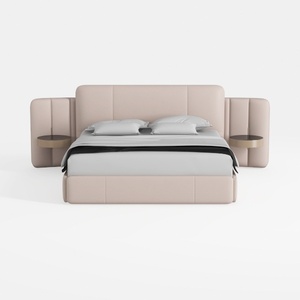
Minimalist Blush Fabric Upholstered King Bed with Attached Side Tables 3D Model


Minimalist Fabric Curved Sofa With Throw Pillow 3D Model
Homestyler is your go-to platform for effortless home design. With a user-friendly online tool, stunning 3D renderings, and a wealth of design projects and DIY video tutorials, you can easily transform your ideas into reality, no matter your experience level!
Design Now for FREE
































