

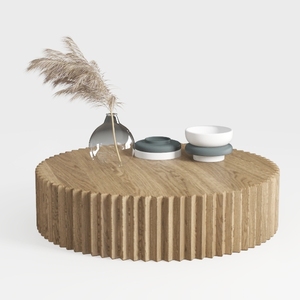
I consider the center table to be the conductor of the living room, establishing the rhythm, guiding the flow, and harmonizing the seating, lighting, and textures. A thoughtfully selected piece enhances reach, comfort, and sightlines while maintaining a subtle presence. In my approach, I prioritize scale and mobility first, followed by shape, materials, and the lifestyle needs of the household. The aim is to create a table that facilitates conversation, snacks, and working on laptops, while accommodating soft lighting and even kids' craft projects, all without hindering movement.
Measuring scale is crucial. For optimal comfort, I target a distance of 14–18 inches (35–45 cm) between the edge of the sofa and the table, with a table height similar to the sofa seat, typically around 16–18 inches. This aligns with ergonomic principles that help minimize strain. Research indicates that maintaining posture-neutral reach zones enhances comfort and lowers fatigue. Lighting also plays a vital role; the Illuminating Engineering Society (IES) suggests a range of about 100–300 lux for living spaces. A table with a matte finish helps reduce glare, making it more comfortable for reading and screen interaction (source: ies.org/standards).
The use of color and the mood it generates should be purposeful. Research on color psychology highlights that warm woods and gentle neutrals create a welcoming atmosphere, while vibrant colors infuse energy. In living areas designed for relaxation, I prefer warm mid-tones and finishes that have a low sheen, as these soften reflections and provide a soothing focal point. For homes that often entertain guests, opting for a deeper base color, like muted burgundy or forest green, can introduce visual dynamism without clashing with existing decor.
Identifying the Right Shape
The shape of the table should complement movement patterns. Rectangular tables work well with extended sofas and elongated rooms, while round tables or soft squares ease navigation in tighter spaces. For homes with children, rounded edges help reduce injury risks. I recommend allowing for at least 30–36 inches (75–90 cm) of clearance for easy passage—enough space for two people to navigate with a tray in hand. In open-plan designs, I utilize an interior layout simulator like Homestyler to experiment with different arrangements, ensuring smooth transitions and convenient reach before making a purchase.
Effective Proportions
As a general guideline, aim for the table's length to be about 60–70% of the main sofa's length in order to strike a balance between presence and legroom. The typical width ranges from 24 to 36 inches (60 to 90 cm), depending on how the table will be used—whether for board games or just coasters. If the seating is deeper and more relaxed, using a slightly wider table helps avoid overreaching. It is ideal to keep the tabletop height within 1–2 inches of the sofa's seating height to enhance ergonomic access.
Materials and Finishes
Choosing the right materials affects everything from durability to acoustics and light diffusion. My material preferences include:
Prioritize sustainability by selecting FSC-certified woods and low-VOC finishes that improve air quality and durability. For households where laptops are often used on the table, a matte surface enhances readability and reduces eye strain under task lighting.
Storage, Mobility, and Modularity
Homes filled with remotes, chargers, and children's toys benefit from shallow drawers or a lower shelf. If visual lightness is desired, I prefer open storage; conversely, closed storage is essential for minimizing clutter buildup. In compact spaces, nesting tables or two smaller drum tables are preferable to one large table, as they can be separated for guests or tucked away to open up the floor area. Incorporating hidden casters or felt glides can help facilitate reconfigurations for activities such as yoga or game night, reflecting the true lifestyle habits of the household.
Glass vs. Wood vs. Stone: Selecting Based on Lifestyle
Glass surfaces create an illusion of expanded space and showcase intricate rugs, though they may require regular cleaning due to fingerprints. Wood is forgiving with scratches and develops a unique character over time, making it ideal for homes welcoming a rustic charm. Stone or sintered surfaces offer resistance to stains and heat, perfect for those who frequently host coffee gatherings. If sound absorption is a concern, opting for porous materials and textured rugs beneath the table can help mitigate reverberation and enhance clarity in conversations.
Color Strategy and Visual Harmony
It’s important to think in layers: the rug as the base, the table as the anchor, seating as the bulk, and accents forming rhythm. If the rug features intricate designs, I recommend keeping the center table's style simpler; conversely, a plain rug benefits from a table with unique grains or an artistic base to add depth. Selecting a secondary color from textiles or artwork for the table base can entwine the color palette beautifully. Additionally, it's crucial to keep the reflectance value moderate to ensure a comfortable lux level of 100-300 without overwhelming glare on the surface.
Specific Layout Considerations
A round table measuring 30–34 inches or two nesting drum tables ranging from 18-20 inches work well in small spaces. A pedestal base is excellent for maximizing legroom. It's vital to maintain accessible perimeter circulation, and testing clearances can be effectively done with a room design visualization tool like Homestyler.
For a sprawling sofa, using a larger, lower table can visually anchor the space. Consider dimensions around 54–60 inches long for a rectangular table or 36–42 inches for a round one. If there are multiple seating islands, employing two matching tables can create symmetry and enhance service reach.
Ensure features like rounded edges, durable finishes, and wipeable surfaces. Aim for bases with sufficient weight to prevent tipping; specify a minimum edge radius of 6–10 mm.
Heat-resistant surfaces, layered trays, and integrated coasters are beneficial. Ensure at least 18 inches of reach zone for each seat to comfortably place drinks without leaning across the table.
Illuminating the Center Table
I prefer a soft cone of light from a dimmable pendant or a strategically positioned floor lamp. A target of 150–200 lux at the table creates an inviting atmosphere for conversation while task lighting should reach around 300 lux for reading purposes. Selecting warm white lighting (2700–3000K) helps keep skin tones flattering and minimizes blue light exposure during evening hours. Utilizing diffusers and matte finishes reduces harsh reflections that can distract when engaging with glossy materials or screens.
Budgeting and Sourcing Intelligently
Allocate your budget wisely: if the sofa is a key investment, pair it with a reliable mid-range table; conversely, if the sofa is modestly sourced, a standout table can elevate the overall design. Ensure to check the construction quality through joinery methods (like mortise and tenon) and confirm stability (no wobbly movement) along with the consistency of finishes. If customization is available, adjust the height to match your actual sofa seat and maintain the necessary reach zone of 14-18 inches along with a clearance of 30-36 inches.
Care and Longevity
Match materials to your lifestyle habits. Utilizing coasters and placemats helps prolong the life of wood and stone surfaces. Re-oil matte wood once a year and use pH-neutral cleaners for stone maintenance. For rugs, rotating them every quarter helps distribute sun exposure and wear evenly beneath the table's feet.
Quick Selection Checklist
FAQ
Q1: What is the ideal distance between the sofa and the center table?
A: Maintain a distance of 14–18 inches (35–45 cm) between the front of the sofa and the table to allow comfortable reach while avoiding knee clashes, in line with ergonomic principles recognized in workplace comfort studies.
Q2: How tall should the center table be?
A: The table height should ideally match the sofa seat height or be within 1–2 inches. Most standard living rooms have a table height around 16–18 inches to ensure neutral wrist and shoulder alignment for casual tasks.
Q3: How do I decide between a round or rectangular table?
A: Choose based on the traffic flow and the shape of the sofa. Round tables smooth corners in compact areas and around chaise lounges, while rectangular tables suit linear sofas and elongated spaces in need of more surface area.
Q4: What materials offer the most durability for daily use?
A: Materials like sintered stone/porcelain, heavy hardwoods with matte finishes, and tempered glass (understanding that this requires upkeep) are the most durable. If entertaining is frequent in your home, consider options with heat and stain resistance as worthwhile investments.
Q5: How does lighting factor into selecting a center table?
A: For living rooms, aim for a lighting level of 100–300 lux. Low-sheen tables help manage glare, and using warm 2700–3000K lighting in the evenings promotes comfort, aligning with IES recommendations for residential lighting tasks.
Q6: Can a glass table be suitable for a small living room?
A: Yes—glass can create the illusion of a larger space while allowing a patterned rug to shine. Pair it with soft textiles to soften reflections and manage sound levels.
Q7: What if my living room also serves as a workspace?
A: Opt for a sturdy table with a matte top to ensure screen visibility. Additional features like a tray system can allow for quick transitions, and you should be able to adjust lighting levels to around 300 lux for focused tasks like reading or working on a laptop.
Q8: How should I prepare for kids and pets in my living space?
A: Prioritize rounded edges, stable bases, and durable finishes. Closed storage can conceal smaller items, while wipeable surfaces ease the stress of crafts and snacks.
Q9: How large should the table be in relation to the rug?
A: Ideally, maintain 8–12 inches of visible rug around the table to frame it aesthetically. If the rug is small, consider downsizing the table or opting for nesting versions instead.
Q10: Are nesting tables a better choice than a single large table?
A: If flexibility is a priority, then definitely yes. Two smaller drum tables or a nesting pair can easily adapt for guests, clear away for activities, and ensure effortless reach while seated.
Q11: How can I incorporate color without overwhelming the room’s decor?
A: Choose a secondary color from a piece of art or textiles to reflect in the table's base or finish. Keeping the surfaces neutral or with a low sheen helps to avoid visual clutter and glare.
Q12: What is an efficient way to plan layout before purchase?
A: Measure the necessary clearances and utilize an interior layout planner to simulate various configurations and confirm circulation paths. A practical starting point for this would be the layout simulation tool from Homestyler.



Homestyler is your go-to online home design platform that allows you to easily create stunning spaces. With its intuitive design tool, impressive 3D renderings, and a wealth of DIY video tutorials, transforming your home has never been more accessible and enjoyable!
Desain sekarang Gratis
































