

Pink has evolved beyond just nursery decor. When applied thoughtfully, it can embody an architectural sophistication while feeling modern and fresh. I've crafted homes and workspaces where pink creates a serene and optimistic atmosphere—especially when matched with the right undertones and optimal lighting.
Research indicates that color has a significant impact on both mood and productivity. According to Verywell Mind, softer shades of pink can diminish aggression and promote calmness, while the WELL v2 standard highlights that proper lighting (including illuminance, glare control, and accurate color rendering) enhances comfort and visual clarity for everyday tasks. Additionally, Steelcase studies correlate nurturing environments with improved wellness and concentration, underscoring the importance of color selection and lighting quality.
In terms of paint selection: opt for undertones that convey your desired atmosphere—think dusty blush for tranquility, coral for vibrancy, or mauve for richness. Aim for ambient lighting levels between 200–300 lux in bedrooms, 300–500 lux in living rooms, and incorporate brighter task lighting where necessary (based on WELL v2 recommendations and IES standards) to maintain the true essence of pink.
Contemporary Pink Color Schemes That Avoid Sweetness
I typically choose desaturated pinks that incorporate gray or beige. Consider blush with a hint of taupe (often referred to as greige-blush) or subdued clay pinks. These hues offer warmth without becoming overly sweet. Pair these with flat or matte finishes to conceal wall imperfections, or opt for eggshell for a gentle sheen that is easy to maintain in frequently used spaces.
The Importance of Light: Managing Color Temperature and Glare
The appearance of the same pink can vary dramatically under cool versus warm lighting. For living areas and bedrooms, using 2700–3000K LED lights tends to enhance dusty pinks and terracotta hues; productivity spaces benefit from 3500–4000K lighting to keep coral tones sharp. Utilize indirect fixtures and matte paint to mitigate glare; the WELL v2 standard advocates for a balance between illuminance and visual comfort, while IES guidelines endorse layered lighting to preserve contrast and color accuracy.
Choosing Undertones: Aligning Pink with Room Functionality
• Dusty rose (gray undertone): soothing and ideal for bedrooms and reading spaces.
• Clay or terracotta pink (brown undertone): grounding, perfect for cohesive open-plan living.
• Mauve-pink (violet undertone): sophisticated in dining areas, particularly alongside walnut or smoked oak furnishings.
• Coral pink (orange undertone): invigorates creative spaces and playrooms; balance with neutral flooring.
The intersection of Color Psychology and Functionality
When using color to influence behavior, I consider pink as a gentle prompt. In entryways, a soft pink alleviates visual harshness, facilitating the transition from outside. In bathrooms, a cool-toned blush illuminated with high CRI lighting flatters various skin tones—valid lighting guidance from WELL v2 and IES can help prevent color misrepresentation. In children's rooms, I designate brighter pinks for playtime, softer shades for rest, while incorporating acoustic elements to minimize disruption and sensory overload.
Enhancing Pink Through Thoughtful Pairings
• Warm whites (avoiding blue undertones) help keep pink looking inviting rather than chilly.
• Charcoal and black metal details sharpen the color scheme and provide modern structure.
• Soft greens, such as sage or olive, promote a biophilic sense of calm.
• Smoky blues or rich navy add an elegant contrast in dining or lounge areas.
• Natural woods—ash, oak, or walnut—ground pink and steer clear of a sugary effect.
Finish, Sheen, and Care
Matte finishes are modern and forgiving, perfect for expansive walls; eggshell provides a delicate sheen that’s easier to clean in busy areas. A higher-gloss finish on doors and trim delivers a crisp architectural edge around pink walls. For long-lasting results, choose washable paint options with low VOCs and assess sample boards during different times of day to evaluate color shifts.
Defining Spaces and Layouts with Pink
Employ pink to signify spatial intentions without bulky dividers. A darker clay pink on a focal wall can anchor a seating area, while a softer blush on adjacent walls can preserve a sense of openness. For multifunctional spaces, consider color-blocking to guide movement—using coral for creative areas, muted rose for reading spots, and neutrals for pathways. If you're organizing furniture placement and flow, a room layout tool can aid in visualizing how color plays with movement and light.
room layout tool
Creating True-to-Paint Color Through Lighting Layers
Combine ambient, task, and accent lighting. Ambient light establishes the overall mood; task lighting at desks or vanities ensures clarity; accents like wall washers or picture lights enhance texture on pink surfaces. Aim for high CRI (90+) to maintain color accuracy, using dimmers to transition between active and restorative environments.
Materials and Textures That Complement Pink
Fabrics: linen and bouclé provide softness; leather or microcement introduce contrast. Metals: brushed brass warms pink tones; blackened steel stabilizes coral hues. Natural stones like travertine and honed marble amplify mauve-pinks. Steer clear of overly glossy floors paired with pastel pinks, as they can create unwanted glare and distort color.
Strategies for Compact Spaces
In smaller rooms, keep ceilings and trims lighter than pink walls to enhance vertical perception. Finish corners neatly to prevent dark seams. A two-tone approach—lighter upper wall and deeper lower wall—adds rhythm without overwhelming the space. Mirrors across from windows help distribute daylight, ensuring your chosen pink maintains its integrity.
Emphasizing Sustainability and Well-Being
Select low or zero-VOC paints, ensure proper ventilation during and after application, and capitalize on natural light to minimize dependence on artificial sources. Pairing with biophilic elements—greens, natural materials, and wood—works harmoniously with pink while supporting wellness trends identified in both workplace and residential studies.
Insights from Practice
In a recent apartment renovation, a desaturated blush with taupe undertones revitalized a north-facing living area. We set ambient lighting to approximately 350 lux using 3000K LED bulbs and included task lamps with a 90+ CRI near reading areas. The integration of walnut shelving and charcoal accents maintained color grounding; the client expressed that the space felt both calmer and more defined—exactly the effect a carefully curated pink palette can achieve.
Frequently Asked Questions
Q1: Which shade of pink is ideal for a bedroom?
A gentle, gray-toned blush promotes tranquility. Pair it with 2700–3000K lighting and high-CRI lamps to keep hues soft and restful.
Q2: How can I prevent pink from appearing overly sweet?
Desaturate and add structure: choose clay or greige-blush tones, integrate charcoal or black metal, and utilize natural wood elements to stabilize the color scheme.
Q3: What is the best lighting temperature for pink walls?
Use 2700–3000K for living areas and bedrooms to emphasize warm blushes; 3500–4000K in workspaces maintains the clarity of coral shades. Balance with dimmers and avoid glare.
Q4: Is pink suitable in a home office?
Absolutely—select a subdued coral or mauve-pink and maintain illuminating levels around 300–500 lux. Layer task lighting while ensuring high CRI for accurate color presentation.
Q5: Which colors work harmoniously with pink?
Greens like sage or olive, deep blues, warm whites, charcoal, and walnut tones. These combinations result in sophistication and alleviate any overly sweet effects.
Q6: What finish should I opt for when painting?
Matte is best for expansive walls, offering a contemporary feel; eggshell provides durability for high-traffic zones; semi-gloss on trims and doors creates a crisp contrast.
Q7: How can I use pink to delineate spaces in an open-concept layout?
Apply deep pink on focal walls and softer shades elsewhere. Color-blocking can indicate different functions—such as creative, relaxation, or reading areas—without the need for physical separations.
Q8: How does pink influence mood?
Softer pink shades are associated with calmness and optimism. When combined with balanced lighting, as suggested by WELL v2 and IES standards, they enhance comfort and clarity.
Q9: Does natural light alter the appearance of pink?
Certainly. North-facing light can cool and gray out pink; southern exposure warms and may intensify it. It's essential to test samples at various times to understand these changes.
Q10: How can I simplify maintenance of painted surfaces?
Utilize washable, low-VOC paints and select eggshell finishes in high-use areas. Avoid overly shiny large surfaces, which can highlight blemishes and produce glare.
Q11: Can pink complement minimalist decor?
Definitely—choose muted, architectural shades of pink paired with clean lines, minimalist materials, and controlled lighting for a sophisticated minimalist aesthetic.
Q12: What accessories enhance pink walls effectively?
Textures such as linens, bouclé, travertine, matte ceramics, and accents in blackened steel or brass can inject contrast and depth without overwhelming the color scheme.

Minimalist Pink Fabric Modular Sectional Sofa 3D Model

Modern Patterned Fabric U Shaped Sectional Sofa 3D Model
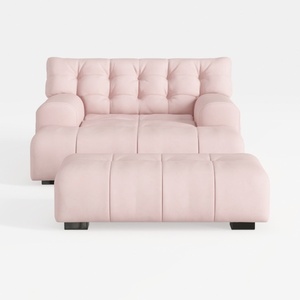
Minimalist Pink Fabric Tufted Chaise Lounge with Ottoman 3D Model
Discover the power of home design with Homestyler! This user-friendly platform offers innovative online design tools, stunning 3D renderings, a wealth of design projects, and easy-to-follow video tutorials. Transform your interior spaces effortlessly and unleash your creativity, no experience necessary!
지금 무료로 디자인하세요
































