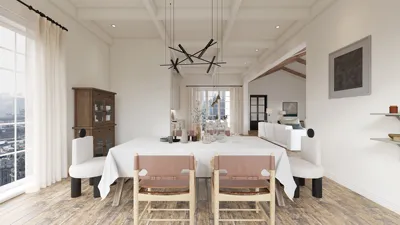


Grey occupies a distinctive role in contemporary home design. It serves as a stabilizing force within a room, softening stark contrasts while providing a sophisticated backdrop for vibrant colors, varied textures, and luminous elements. Through extensive experience in designing residential, commercial, and hospitality spaces, I’ve discovered that effectively using grey extends beyond merely selecting one paint shade; it requires an understanding of undertones, lighting, materials, and human reactions to ensure a space feels integrated and inviting rather than chilly. Utilizing tools like Homestyler can greatly assist in visualizing these dynamics.
The effects of grey are intricately linked to lighting. The Illuminating Engineering Society recommends maintaining 300–500 lux for common living areas and up to 500–1,000 lux for areas requiring focused tasks, ensuring visual comfort and accurate color representation. Research from Gensler correlates well-lit environments with heightened productivity and well-being, while Herman Miller emphasizes the role of visual comfort in minimizing cognitive strain. Thus, a grey color scheme flourishes when ambient and task lighting are within recommended parameters, utilizing glare-control techniques like flicker-free lighting, dimmable circuits, and layered fixtures to present a thoughtfully designed space rather than a harshly austere one. For health-focused designs, following WELL v2 guidelines encourages balanced, circadian-friendly lighting and glare management, ensuring variations in grey hues remain rich rather than flat.
Understanding color psychology is equally crucial. Verywell Mind points out that grey can evoke a sense of calm sophistication, although it risks appearing dull if not paired with warm accents or diverse textures. For instance, I often choose a mid-grey for walls and complement it with warm-toned wooden elements or bronze fixtures to inject warmth. In contrast, colder greys are ideal for stone, tile, or steel accents, maintaining a clean edge. In living rooms, a warm grey tone (featuring beige or brown undercurrents) combined with lighting around 2700–3000K creates a cozy atmosphere. In kitchens and studios, sticking to neutral to cool greys under 3500–4000K helps support clarity in task-oriented tasks. Employing a room layout tool like Homestyler can be beneficial to optimize light distribution and spatial flow before settling on your color choices.
Selecting the Perfect Grey: Understanding Undertones and Intent
Every shade of grey includes an undertone—be it green, blue, violet, or brown—that can alter with the time of day and lighting conditions. Rooms with northern exposure typically take on cooler tones, amplifying blue or violet hues, while spaces facing south can bring warmth, therefore softening greys leaning towards brown or green. I often test two prospective paint colors (one warmer and one cooler) throughout a full day to observe their effects. For tranquil bedrooms, I prefer warm grey with a subtle sheen to minimize reflective highlights. In galleries or modern living spaces, a neutral grey paired with high color rendering (CRI ≥90 lighting) ensures that artwork and fabrics maintain their true colors. Research by Steelcase and Herman Miller consistently highlights the importance of visual clarity in enhancing concentration; thus, ensuring the correct undertones significantly contributes to that clarity.
Balancing Light, Glare, and Grey
Grey surfaces tend to reveal glare and contrast quirkily. To address this, begin with layered lighting strategies: combining ambient (ceiling or cove), task (table or under-cabinet), and accent (wall lights or picture illumination). In living areas, aim for ambient lighting of around 300–400 lux, while enhancing task lighting to 500–700 lux without veering into harshness. Wall-washing at a gentle angle prevents hot spots and enhances the richness of mid-greys. Dimming controls facilitate shifts in mood—from lively gatherings to quiet reading—while consistently maintaining a grey aesthetic. The WELL Building Standard (WELL v2) promotes glare management and balanced vertical lighting—a vital element for effective grey design.
Exploring Texture, Materiality, and Warmth
To elevate grey and prevent it from appearing flat, layering textures is paramount. I blend matte paints with woven fabrics, brushed metals, and natural timber. Choosing warm woods such as oak, walnut, and ash can enrich the palette without overwhelming it. Incorporating honed stones like soapstone, basalt, or limestone adds tactile depth. However, steer clear of excessive polished surfaces as they can reflect too much light, making greys feel cooler. In high-traffic areas, opting for durable fabrics and low-VOC finishes will ensure longevity and maintain indoor air quality. Grey porcelain tiles with high slip resistance are an excellent choice for kitchens, while textures like boucle or wool can soften lounge spaces.
Creating Spatial Rhythm: Proportions and Visual Flow
Grey masterfully cultivates spatial rhythm through its variations: using lighter greys for walls paired with darker baseboards or built-ins to anchor the space, complemented by contrasting elements such as charcoal paneling or navy accents to direct sightlines. I typically recommend a color distribution of 60% grey, 30% from secondary materials, and 10% accent colors to maintain equilibrium. Strong verticals, such as bookshelves or fluted panels, can break up broad expanses of grey and combat monotony. Utilizing an interior layout planner can reveal pinch points and allow for testing color options against daylight angles before committing to your choices.
Grey in Living Areas: Comfort without Sacrifice
In living rooms, I typically suggest a soft neutral grey on the walls, complemented by a darker grey rug to establish a grounding effect, combined with warm metallic accents (like brass or burnished gold) in lamps. Choosing textured fabrics for seating—such as blends of linen, wool, or chenille—contributes to tonal depth. Adding bursts of color through elements like rust, olive, or muted teal pillows serves to enrich the visual experience. Sustaining ambient light levels of 300–400 lux alongside 90+ CRI lamps enhances the appearance of skin tones, while a singular black accent, such as a frame or console, sharpens the overall composition without leading to starkness.
Grey in Kitchens: Bright, Clean, and Efficient
Kitchens typically thrive under cooler greys for cabinetry or backsplash choices, emphasizing clarity and cleanliness. Pairing with warm wooden floors or butcher-block details can help counterbalance the cooler tones. Positioning under-cabinet task lighting at 500–700 lux minimizes shadows on preparation areas, while pendant fixtures around 3000–3500K maintain a welcoming ambiance. Stainless steel appliances will harmonize effortlessly with cooler greys; opting for matte finishes can help reduce fingerprints and glare.
Bedrooms and Retreats: Soft Edges, Gentle Tones
For restful bedrooms, it’s crucial to create a cocoon-like ambiance. Opt for warm greys in matte or eggshell finishes, complemented by plush textiles—think velvet or heavy cotton curtains—alongside low, warm lighting set at around 2700K. Keep accent colors subdued and organic—think clay, terracotta, or sage. Introduce darker charcoal headboards for added intimacy while ensuring the room doesn’t feel confined by balancing with lighter bedding and soft grey walls.
Workspaces: Focus, Energy, and Visual Comfort
In home offices or studios, grey can provide a balanced atmosphere that fuses neutrality with vibrancy. A neutral mid-grey wall behind the computer screen helps diminish visual distractions, while task lighting set around 500–750 lux maintains concentration levels. Emphasizing ergonomic principles—like positioning screens at eye level, 20-30 inches away, and using glare-free lighting—contributes to sustained comfort during prolonged tasks. Studies from Herman Miller underline that stable visual environments with high color rendering enhance overall cognitive performance and reduce eye strain.
Grey with Colors: Assertive Pairings
Grey’s ideal partners tend to be soft hues and natural materials. Cool greys resonate well with deep blues, forest greens, and shades of blackened steel. Comparatively, warm greys complement terracotta, tobacco leather, and antique brass beautifully. Limiting saturation allows grey to maintain its leading role, with colors appearing in subtle accents—through art, pillows, or occasional seating—rather than overtaking large surfaces.
Acoustic and Sensory Comfort
Grey is often found in inviting finishes that additionally act as sound absorbers, including wool rugs, upholstered panels, and drapes. In open-concept living spaces, soft grey dividers or felt partitions create tranquil zones. Consider the sensory experience holistically: a mixture of tactile elements, warm lighting, and gentle aromas establishes coherence. Avoid a monotonous arrangement of smooth, cold surfaces that may impart a sterile vibe.
Common Pitfalls to Avoid
- Using flat grey tones without texture or accents—this can easily be remedied by incorporating wood finishes, woven materials, or matte stone textures.
- Overly cool lighting (4000K and above) in spaces meant for relaxation—aim for a warmer 2700–3000K instead.
- Neglecting undertones during selection—always test paint swatches throughout variable daylight conditions.
- Overusing high-gloss finishes—strategically employ sheen to minimize potential glare.
Maintenance and Longevity
Grey is excellent at concealing minor wear, certainly outperforming pure white in this aspect; however, matte surfaces can show dust accumulation, and darker, polished finishes may reveal fingerprints. Opt for washable wall paint, stain-resistant fabrics, and hardware with brushed or patinated textures. Strategically plan lighting that highlights maintenance areas without showcasing dust—like using wall washers over accent surfaces, or diffusing fixtures in high-touch spots.
FAQ
Q1: How do I pick between warm and cool grey?
A1: Consider your natural light orientation and the atmosphere you wish to create. Rooms facing north usually thrive with warmer greys, while south-facing spaces can accept cooler, more neutral greys. Testing swatches under both daylight and evening conditions will yield the best results.
Q2: What lighting levels showcase grey most effectively?
A2: Strive for 300–400 lux for ambient lighting in living spaces and around 500–700 lux in focused task areas. Use 2700–3000K for cozy environments, while keeping 3500–4000K for more active spaces. Ensure high CRI (≥90) lighting supports color accuracy against grey tones.
Q3: How can I ensure a grey-themed room doesn’t feel cold?
A3: Layer various textures—wood, woven fabrics, matte stones—and introduce warm metallic accents. Select warmer lights (2700–3000K) and incorporate muted organic shades like rust, olive, or clay.
Q4: What accent colors work well with grey?
A4: For cooler greys, consider deep blues, forest greens, and shades of blackened steel. Warmer greys harmonize with terracotta, tobacco leather, and aged brass. Keeping saturation on the lower side preserves elegance.
Q5: What finish is ideal for grey walls?
A5: Matte or eggshell finishes reduce glare and enhance softness in living and sleeping spaces. Satin finishes work well for kitchens and hallways, while semi-gloss is best reserved for trim, elevating architectural details.
Q6: Does grey work in compact rooms?
A6: Absolutely. Use light to mid-greys in conjunction with high-CRI lighting and gentle contrasts. Incorporating vertical elements (such as shelves or fluted panels) can elongate sightlines while mirrors amplify light.
Q7: How should I approach a layout that relies heavily on grey?
A7: Establish a clear 60/30/10 ratio for color distribution (primary grey, secondary materials, and accent shades). Organize furniture placements to mitigate glare on screens and surfaces. Tools like Homestyler can assist in simulating sightlines, focal points, and flow before settling on paint.
Q8: What materials best complement grey?
A8: Natural woods (such as oak or walnut), honed stones (like soapstone or basalt), and textured textiles (like linen, wool, or boucle) help eliminate flatness. Utilize brushed metals instead of polished ones to diminish glare.
Q9: Is grey appropriate for children’s rooms?
A9: Certainly! Choose a soft warm grey as the foundation and add playful, changeable accents such as colorful art, bedding, and rugs, allowing the room to evolve without requiring a full repaint down the line.
Q10: In what way does grey influence productivity in home offices?
A10: Neutral greys effectively reduce visual noise, which enhances focus levels. Pair with glare-free task lighting at 500–750 lux and ensure high CRI to promote eye comfort, corresponding with research indicating that visual stability bolsters cognitive effectiveness.
Q11: What is the significance of undertones in various climates?
A11: In overcast environments, warm undertones can help counteract colder daylight tones. In sunnier settings, neutral or cool undertones maintain definition without becoming overly stark, particularly with balanced shading.
Q12: How can I preserve the elegance of grey over the years?
A12: Choose long-lasting finishes, easy-to-clean paints, and aged metals. Refresh textiles seasonally and utilize dimmer switches to adapt lighting based on evolving needs.
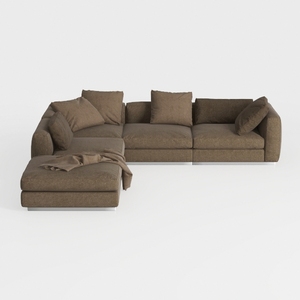



Homestyler is a fantastic online home design platform that empowers you to unleash your creativity. With its user-friendly design tool, stunning 3D renderings, and helpful video tutorials, you can effortlessly visualize and execute your home design projects. Transform your space with ease today!
Дизайн сейчас бесплатно
































