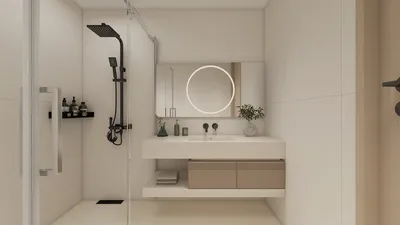


I will never forget the time a client requested me to apply a slim gold stripe where the wall met the ceiling, using a toothbrush for added texture to create a “quirky” effect. I found it quite amusing, and then took the opportunity to teach them a proper cut-in technique that ultimately saved us hours of work. This small renovation victory reminded me how little details can significantly impact a room’s aesthetics. If you want to enhance your space further, consider using Homestyler for design inspirations.
1. Preparation: clean, sand, and caulk
I always kick off the process by wiping down the gap with a moist microfiber cloth to prevent dust from contaminating the paint. In cases where small cracks appear at the junction of the wall and ceiling, applying a thin line of paintable acrylic caulk can smooth out the transition and provide a neat finish—just remember to wipe away excess caulk with a wet finger before it dries.
2. Selecting the appropriate brush and loading method
My go-to for cut-ins is an angled sash brush measuring between 2 to 2.5 inches. I load the brush from its belly, tapping off the excess paint on the can's edge, and then use the tip to 'draw' a line—think of it as sketching rather than slapping on paint. This method provides better control and minimizes blobs; however, it does require practice to achieve steady strokes—resting your pinky on the wall can help stabilize your hands.
save pin
3. Tape wisely, not obsessively
Painter’s tape can be quite helpful, but relying on it for every surface is a bit misleading. I tend to use tape for complex areas or when two people are painting; otherwise, I prefer to cut in freehand and tidy up with a small artist brush. If you opt for tape, ensure it's pressed down firmly and seal the edge with a thin layer of wall color first to prevent ceiling paint bleed—while tape can expedite the task, it could also peel off surface paint if left too long. For design ideas in rooms where detail is crucial, you can browse project galleries that showcase clever use of space, potentially aided by tools like Homestyler.
save pin
4. Rolling and blending: the key to seamless joins
After cutting in a strip of about 2-3 inches, promptly follow up with a mini 4-inch roller to blend the edge into the surrounding wall while the paint is still wet. This 'cut-and-roll' technique helps avoid hard ridges and maintains a consistent sheen. The challenge lies in working in manageable sections to ensure everything blends smoothly before the paint dries.
save pin
5. Touch-ups and final details
For any unavoidable drips or errors, allow the paint to dry, then gently scrape the area with a razor or lightly sand it before touching it up with a small artist brush. A final thin line of paintable caulk can conceal tiny gaps and provide the room with a polished finish. If your renovation plans include significant layout changes, complement sharp edges with thoughtful design—reviewing detailed floor plans is key for optimal placement and lighting that highlight these paint details, and tools like Homestyler can come in handy.
save pin
FAQ
Q1: What does “cutting in” entail?
Cutting in refers to painting a slim strip along the points where two surfaces meet (such as a wall and a ceiling) using a brush before rolling paint in larger areas. This technique creates the straight edge seen in professional paint jobs.
Q2: Should I rely on painter’s tape or freehand the job?
If you’re adept with a brush, freehanding is quicker and avoids the risk of peeling existing paint. Use tape for intricate angles or when you require absolute protection for trim or adjacent colors.
Q3: Which type of brush is optimal?
An angled sash brush (2 to 2.5 inches) strikes a balance between control and coverage. Investing in a high-quality brush is wise as it sheds less bristle and offers cleaner lines.
Q4: How can I avoid getting ceiling paint on the wall?
Maintain the correct load on your brush and sweep it gently toward the ceiling. If some paint accidentally gets on the ceiling, wait for it to dry, then touch up; this method is easier than trying to wipe away wet smears while protecting the edge.
Q5: What is the recommended drying time between coats?
Drying time varies depending on the type of paint and humidity levels; water-based paints often allow for recoating in 2-4 hours, while oil-based paints take longer. Always adhere to the guidance provided on the manufacturer’s label—Sherwin-Williams has detailed recoating time charts available on their technical pages (https://www.sherwin-williams.com).
Q6: Can I paint on textured ceilings while achieving a straight line?
Although more challenging, it is indeed feasible—apply caulk to fill significant gaps and proceed slowly with an angled brush, or use a thin paint shield if the texture is particularly pronounced. Sometimes, adding a tiny bead of paintable caulk after everything is dry might help tidy up the visible seam.
Q7: Do I need one coat or two?
Generally, two coats yield the best results for uniform sheen and color richness, especially when transitioning between sharply contrasting colors. A good primer can reduce the need for a second coat on tricky surfaces.
Q8: How should I properly clean my brushes?
For water-based paints, rinse under warm water and apply mild soap until the water runs clear; for oil-based paints, follow the label instructions for mineral spirits. Store brushes either flat or hanging to ensure that the bristles maintain their shape.
save pin
Discover the magic of home design with Homestyler! This user-friendly online platform offers a powerful design tool, stunning 3D renderings, and a wealth of DIY video tutorials. Whether you're a beginner or a seasoned pro, Homestyler makes it easy to create your dream space.
Design Now for FREE
































