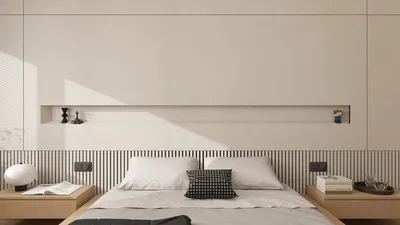


Adding textures to your 3D models in Anim8or is a crucial step to bring your creations to life. The right texture can enhance the realism and depth of your models, making them visually striking. In this guide, we'll explore the effective steps for texturing models in Anim8or, with an emphasis on leveraging tools like Homestyler for a more enriched experience.
Understanding Textures
Before diving deep into texturing, it's essential to grasp what textures are. A texture is an image that wraps around your 3D model, providing it with color, detail, and a sense of realism. You can think of it as the skin of the model that delivers the necessary visual details. Utilizing software like Homestyler can simplify this process, offering intuitive tools for texture management.
Step 1: Prepare the Model
Start by creating or selecting the model you want to texture. Ensure that the geometry is flawless and that the model's shape is accurate. This step is critical because any issues in the model will affect the final appearance of the texture.
Step 2: UV Mapping of the Model
UV mapping is the process of flattening a 3D model onto a 2D plane. This allows you to control how textures wrap around the model. In Anim8or, you can achieve this by following these steps:
1. **Select the Model**: Click on the object you wish to unwrap.
2. **Open the UV Editor**: Navigate to the UV editor interface.
3. **Unwrap the Model**: Follow the prompts to unwrap the model correctly and adjust the UV coordinates as needed to ensure the texture aligns properly.
Step 3: Apply the Texture
Now it's time to apply the texture. Here's how to do it:
1. **Select the Model**: Click on the model to which you want to apply the texture.
2. **Access Material Properties**: Go to the material properties section.
3. **Load Texture Image**: Upload the desired texture image file from your computer.
4. **Adjust Mapping Coordinates**: Modify the mapping coordinates to ensure the texture displays correctly on the model.
Step 4: Fine-tune the Texture
After applying the texture, you may need to tweak various properties to enhance its appearance. Play around with settings like opacity and reflectivity to achieve the desired effect.
Tips for Effective Texturing
To maximize your texturing process, consider the following tips:
- **Use High-Quality Images**: Ensure that your texture images are high-resolution for the best results.
- **Experiment with Layering**: Try combining different textures to create unique effects.
- **Lighting is Key**: Adjust the lighting settings to enhance the texture effects you apply.
Frequently Asked Questions
Q: What type of image format works best for textures? A: Typically, high-resolution bitmap images, including JPEG or PNG formats, yield the best quality.
Q: Can I create my own textures? A: Absolutely! You can use image editing software, like Photoshop or GIMP, to design your own textures.
Q: How can I preview texture updates in Anim8or? A: Utilize the preview panel within Anim8or to see real-time updates as you modify your textures.

Rustic Solid Oak Square Coffee Table with Geometric Inlay Pattern 3D Model

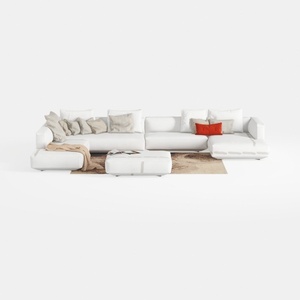
Minimalist White Fabric L Shaped Sectional Sofa with Ottoman 3D Model
Transform your home design dreams into reality with Homestyler! This user-friendly platform offers an incredible online design tool, stunning 3D renderings, and a rich library of design projects and DIY video tutorials, making it easy for anyone to create inspiring spaces.
立即免费设计
































