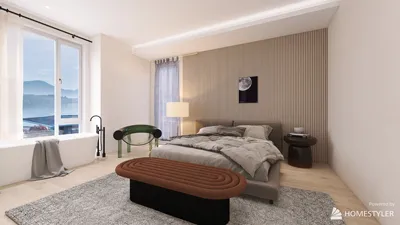


I once mistakenly painted an entire living room a beige that was completely off - all because I turned a taupe swatch upside down. The space ended up resembling a vintage sepia photograph until we adjusted the lighting. This fortunate accident taught me that taupe is quite deceptive; it can bring warmth, coolness, or neutrality to a room based on factors like lighting, texture, and matching colors. Thus, for clients debating between gray and brown, taupe emerged as the perfect compromise.
Taupe is a unique color that can inspire grand ideas in small areas. Here, I will share five design inspirations utilizing taupe interior paint that I have personally experimented with, highlighting what worked well and the little trips I learned through experience. To visualize my ideas, I often utilize photorealistic 3D renderings with tools like Homestyler to test color tones before fully committing to a paint project.
1. Use Layered Neutrals to Open Up a Compact Living Room
I adore painting one wall a slightly darker taupe while keeping the others lighter; this technique creates depth without sacrificing brightness. The result is a richer aesthetic than plain white, yet it remains visually light. One advantage is that it brings sophistication, but be mindful that different light bulbs can reveal mismatched undertones; always test colors where you intend to use them.
save pin
2. Opt for Taupe Trim to Add a Modern Farmhouse Touch
Instead of traditional crisp white trim, consider using a soft taupe for baseboards and window frames. This approach grounds the space and conceals scuffs better than white. It is also budget-friendly and requires minimal maintenance, although if your clients prefer stark contrasts, taupe trim may appear too subtle for their taste.
save pin
3. Combine Warm Taupe with Wood and Brass Elements
In one narrow hallway, I paired warm taupe walls with medium oak flooring and brass fixtures, resulting in a cohesive and well-thought-out space. The warmth of taupe beautifully complements wooden tones while also hiding dust in high-traffic areas. If you're contemplating layout or considering a small kitchen refresh, exploring actual kitchen design examples can help you determine where to place wooden accents and where to keep lighter finishes.
save pin
4. Use Taupe as an Ideal Background for Vibrant Accents
Employ taupe as a neutral backdrop while introducing bold accents like teal cushions, mustard artwork, or terracotta ceramics that will stand out against it. I’ve implemented this in leased bedrooms, allowing for striking decor changes without the need to repaint. However, taupe may soften some bright colors; hence, select your accent shades carefully to ensure they remain vibrant.
save pin
5. Textured Taupe for Inviting Bedrooms
In bedrooms, I prefer to use slightly textured taupe—either matte or eggshell finishes layered with textiles—to create a warm, cozy environment. This method is economical because it relies on paint and textiles rather than costly wall treatments. One potential issue is that textured paints may reveal repair marks differently, so it’s wise to keep a small touch-up kit handy and consider a quick digital layout using tools like Homestyler when rearranging furniture to understand how light will travel through the space.
save pin
FAQ
Q1: What undertone should I select for taupe interior paint?
I typically suggest sampling swatches in both morning and evening light, as taupe can display gray, brown, or even purple undertones. If you seek a warmth, choose taupes with brown or reddish undertones.
Q2: Will taupe make compact rooms feel even more cramped?
Not necessarily—mid-tone taupes can provide depth without making a room feel limited. Keep ceilings lighter and include reflective elements to enhance openness.
Q3: Is taupe a suitable choice for bathrooms?
Definitely. Taupe works beautifully with natural stone and brass fittings. Opt for a semi-gloss or satin finish for easier maintenance.
Q4: What lighting complements taupe best?
Warm LED lighting (2700K–3000K) highlights the warmth of taupe, while cooler LEDs can bring out its gray tones. Always test samples under your specific light fixtures.
Q5: Can taupe seamlessly integrate with modern minimalism?
Absolutely—a clean taupe paired with straightforward furnishings can exude a very modern and serene vibe. Aim to keep accents minimal and textures subtle.
Q6: How should I choose colors for trim and ceilings when I have taupe walls?
I recommend using lighter neutral trims to ensure a gentle contrast: off-whites, warm whites, or lighter taupes. Selecting a very light warm white for ceilings helps create an impression of height.
Q7: Are there expert resources for selecting taupe shades?
Yes—color specialists like Sherwin-Williams offer guidance on undertones and combinations. You can explore their color resources online (see Sherwin-Williams for more details). They provide valuable technical insights when you're aligning furniture and finishes.
Q8: How can I test taupe paint without making a commitment?
Create large swatches on poster boards and tape them to various walls; monitor them over several days and times. For layout or mood testing, digital mockups and small sample pots can be incredibly helpful.
Homestyler is an outstanding online home design platform that empowers you to create stunning spaces effortlessly. With its user-friendly design tool, impressive 3D rendering, and a wealth of DIY video tutorials, you can transform your creative ideas into reality while exploring endless design projects.
Concevez maintenant gratuitement
































