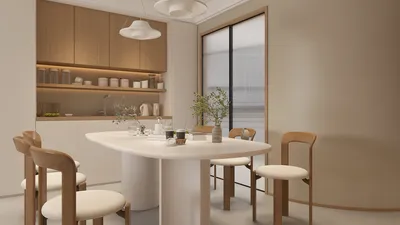


A client of mine once envisioned every wall in her space being taupe; she referred to it as 'just gray with a tan soul'. By the time we finished the third coat, she claimed it felt like being enveloped by a caramel cloud. I often find myself conducting a mental preview of the room, considering aspects like light, shadow, and the perfect placement for the sofa to settle into.
1. Taupe + Crisp White Trim for Instant Tranquility
For compact living rooms, my preferred choice is taupe for the walls accompanied by a clean white trim. The white edge functions like a picture frame, elevating the ceiling's appearance, while taupe maintains a warm atmosphere that isn’t overwhelming.
This color also manages to disguise dust and fingerprints, making it an excellent choice for families. Just ensure to select a subtle sheen that minimizes scuffs. A mid-tier paint combined with quality tape will significantly enhance the final look, more so than opting for the most expensive paint available.
2. Layered Textures: Taupe Walls, Velvet, and Natural Wood
I once combined taupe walls with a velvet green chair and rustic oak shelves; the ambiance felt sophisticated yet approachable. Taupe serves as a neutral backdrop, allowing textiles and wood finishes to stand out.
Careful selection of materials is essential: ensuring that undertones complement each other is key to achieving a harmonious look. Always sample swatches under the room's lighting before making a final commitment.
save pin
3. Using Taupe to Create Unity in Open Plans — Creating Defined Areas
In open-concept spaces, painting all shared walls taupe fosters a sense of cohesion, while rugs and lighting can define distinct areas. For tricky layouts, sketching a quick floor plan helps visualize furniture arrangement without the hassle of moving heavy items.
This method reduces visual clutter and is budget-friendly, but keep in mind that dark taupe can make a dimly lit area feel even smaller; opting for lighter shades where natural light is scarce is advisable.
save pin
4. Taupe in Compact Kitchens: Backsplash, Cabinets, or Walls?
In smaller kitchens, I favor taupe on lower cabinets paired with lighter walls — this combination conceals wear while anchoring the space. Alternatively, a taupe backsplash behind open shelving makes dishes and glassware pop against the neutral background.
This approach is practical and timeless, yet using taupe excessively can result in a flat appearance; introducing metallic hardware or a patterned runner can help break this monotony.
save pin
5. Moody Taupe Bedrooms: Cozy Without Feeling Confining
In bedrooms, I like to take taupe into a moody direction complemented with layered lighting: a dimmable pendant, bedside lamps, and a soft area rug create a cocooning effect without feelings of gloom.
I often utilize Homestyler to draft a visual mockup of your kitchen or bedroom layout, allowing me to observe how taupe interacts with other finishes before finalizing paint choices — it saves both time and paint cans. A little challenge arises when bold art is a favorite; consider using accent frames or a dedicated feature wall to give the artwork a chance to 'breathe' against the taupe.
save pin
FAQ
Q1: What is taupe wall paint?
Taupe lies between gray and brown and can vary in warmth or coolness. It is essentially a neutral color that adds character, grounding interiors without overwhelming them.
Q2: Is taupe suitable for small spaces?
Absolutely — lighter taupes reflect light and add a sense of warmth, making small rooms feel cozy and integrated. Steer clear of very dark taupes in rooms without windows, or pair them with reflective surfaces and layered lighting.
Q3: Which colors complement taupe well?
White trim, soft greens, navy accents, and natural wood tones enhance taupe magnificently. Additionally, metallics like brushed brass can add a touch of luxury when applied thoughtfully.
Q4: What sheen should I select for taupe walls?
I typically suggest eggshell or low-sheen satin finishes for living areas — they are durable and don’t highlight texture as much as high gloss. Matte finishes offer a modern feel but might be less practical in high-traffic areas.
Q5: How can I test taupe paint at home?
Apply large swatches on various walls and evaluate them under different lighting throughout the day. It's also wise to examine them in proximity to your furniture to ensure harmony in undertones.
Q6: Will taupe make my room appear outdated?
Not if balanced with modern fixtures and diverse textures. The versatility of taupe means it can exude a classic or contemporary vibe based on how you style it.
Q7: Can taupe help conceal wall imperfections?
Yes, mid-tone taupes tend to be forgiving and better at hiding minor blemishes compared to stark whites. For more pronounced imperfections, it’s best to address the surface beforehand to prevent uneven shadows.
Q8: Where can I find in-depth information about taupe shades?
For expert insights on color families and undertones, it's wise to consult paint manufacturers like Sherwin-Williams. Their guidance shows that taupe resides in a nuanced space between brown and gray, with a broad array of undertones (source: https://www.sherwin-williams.com/).
save pin
Discover the ease of home design with Homestyler! This user-friendly platform offers a powerful online design tool, stunning 3D renderings, inspiring design projects, and helpful DIY video tutorials. Transform your space effortlessly and unleash your creativity today!
Design jetzt kostenlos
































