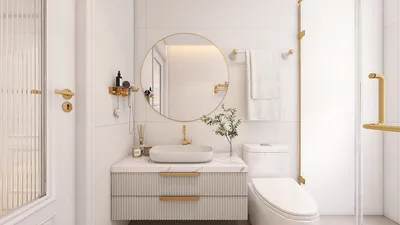


I view table lamps as essential elements in design: they can craft mood, facilitate movement, and delineate conversation areas without overwhelming a room's aesthetic. In the living area, a thoughtfully selected lamp does much more than provide light; it adjusts contrast, reduces glare, and adds sophistication to daily rituals. Research informed choices suggest that employing layered lighting is in line with the WELL Building Standard to ensure visual comfort and circadian rhythm support. The Illuminating Engineering Society (IES) offers valuable guidelines on optimal task brightness and glare management—specific metrics that influence how light interacts with human experiences.
Data consistently supports the benefits of good lighting. Research from Steelcase links visual comfort with better productivity and well-being in spaces that serve multiple functions. Meanwhile, WELL v2 stresses the importance of color quality and light distribution to enhance visual clarity and lessen eye fatigue. My practice aims for a lighting zone of 300–500 lux using lights with a high color rendering index (CRI 90+) while maintaining lower ambient light to enhance the presence of Homestyler lamps. I avoid direct visibility of naked LEDs and use diffusers to adjust luminance ratios, as intentional contrast helps ease eye strain.
Findings from Gensler correspond closely with what I observe in my own home: people are naturally drawn to environments featuring clear task lighting combined with a warm ambiance. In living spaces, this translates into a system that layers light—using one or two table lamps as eye-catching focal points, complemented by wall-mounted lights or adjustable ceiling fixtures. Warm-white bulbs (2700–3000K) encourage interaction, while neutral white (3500–4000K) highlights art, books, and materials effectively. Additionally, WELL v2 outlines lighting strategies that support circadian rhythms, and the IES provides technical benchmarks for visual tasks that keep me grounded in functionality while selecting decorative pieces.
Achieving Balance, Proportion, and Visual Rhythm
I strategically place lamps to enhance spatial symmetry while avoiding stiffness. If a couch faces built-ins, using two lamps can frame the seating, creating an appealing rhythm for the eye. In asymmetric layouts, a single, artistic lamp can counteract a substantial credenza or serve as an anchor for a reading nook. Height plays a crucial role: positioning lamps so their shades are at eye level when seated helps minimize glare. Shades that conceal the bulb above the line of sight while allowing downlight can enhance task clarity, perfect for activities such as playing cards, working, or reading.
Understanding Ergonomics and Human Factors
Glare can be the enemy of comfort. I test lamps at night while utilizing screens and shiny surfaces, then make necessary adjustments to the shade opacity and bulb positioning. Opaque or linen-blend shades diffuse light evenly; broader spreads create gentle peripheral brightness that combats fatigue. For reading purposes, I place the lamp just behind and slightly to the side of my shoulder, ensuring light falls onto the page without the shadow of my hand. If the space also functions as a workspace, selecting a lamp with an adjustable head or a two-stage dimmer allows for a seamless transition from ambient to task lighting.
Exploring Color Psychology and Material Selections
Warm colors foster a sense of intimacy while cooler tones can make a space feel larger. According to insights from Verywell Mind, color psychology indicates that saturated reds can invigorate, blues may calm, and greens promote balance. A brass lamp paired with a parchment shade can warm wooden floors and leather furnishings, while a matte black lamp with linen shades cools a vibrant palette for a more subdued look. I tend to prefer materials that diffuse light; for instance, pleated fabric shades create interesting patterns in shadows, and opal glass shades produce soft halos. In artistic displays, leaning towards neutral shades prevents color casting. CRI should be a priority; high CRI ensures that colors remain accurate from the richness of walnut grains to skin tones.
Prioritizing Acoustic and Thermal Comfort
Hard surfaces can reflect both sound and light. A lamp with a fabric shade and a wooden or ceramic body absorbs and scatters sound subtly, reducing harsh reflections. Metal finishes may introduce sharp highlights, which I balance by integrating soft textiles and rugs, ensuring the room remains acoustically pleasing. LEDs typically run cooler; for those who prefer the incandescent glow, warm-dim LEDs (2000–3000K) can replicate an evening’s descent in color temperature without adding excessive heat.
Strategizing Lamp Placement and Circulation
My first step is to map out pathways: avoiding cord entanglements in walkways, and ensuring lamp bases don’t interfere with movement. End tables need 2-4 inches of clearance around lamp bases for everyday items like books, beverages, and remotes. Thoughtful cable management is vital; I run cords along the edges of furniture, utilize low-profile clips, and steer clear of any potential trip hazards. When testing seating or sideboard arrangements, a room layout tool like Homestyler is invaluable, as it helps visualize sightlines and light distribution without requiring physical movement of furniture.
Incorporating a Room Layout Tool
Ensuring Style Cohesion: Classic, Modern, and Transitional
In traditional settings, urn shapes, crystal-based designs, or pleated lampshades blend seamlessly with ornate woodwork and patterned textiles. Contemporary spaces benefit from sleek profiles, drum-shaped shades, or sculptural bases paired with dimmable LEDs. Transitional designs merge both styles: a minimalist base with a textured shade can bridge the two aesthetics. I carefully consider proportion—tall lamps complement high ceilings, while shorter models stabilize low-slung sofas. Each lamp should engage in a dialogue with the coffee table, artwork, and rugs without overwhelming them.
Examining Light Levels, Dimming, and Layered Control
Usually, a single circuit won’t cater to every mood. I combine table lamps with dimmers and set ambient overheads on a separate control. I aim for three light layers: ambient (low, even fill), task (focused, brighter illumination), and accent (highlighting artwork or textures). Using LEDs, I opt for warm-dim or incorporate dim-to-warm modules to allow color temperature to decrease as brightness diminishes—this syncs naturally with evening routines and softens the emotional temperature of the space.
Comparing Small Rooms vs. Large Rooms
In smaller drawing rooms, I recommend one striking lamp and a subtle wall sconce to keep the space uncluttered. It's crucial to minimize shade size to maintain sightlines. In larger areas, multiple lamps can craft multiple micro-environments—designating areas for reading, socializing, or displaying vignettes. It’s important to maintain a consistent color temperature among lamps to avoid patchy lighting. I also vary the translucency of shades for depth, introducing one high-CRI accent to honor materials throughout the room.
Emphasizing Sustainability and Maintenance
I prioritize LED bulbs that are replaceable, long-lasting switches, and timeless materials in my selections. Powder-coated metals are resistant to fingerprints; sealed wood ensures consistent aging; high-quality fabric shades can be cleaned gently with a vacuum. I choose bulbs rated at 90+ CRI, with a color temperature of 2700–3000K, aiming for longevity to minimize waste. For heirloom-quality lamps, I recommend inspecting wiring every decade—ensuring safety is integral to design.
Quick Selection Checklist
- Shade: eye-level, diffused, glare-controlled.
- Bulb: 2700–3000K warm-dim, CRI 90+.
- Height: in accordance with seating and sightlines.
- Base: stable, with finishes that are easy to maintain.
- Dimming: crucial for adjusting mood.
- Placement: ensure no cord conflicts and that the switch is easily accessible.
- Consistency: harmonize color temperatures across lamps.
Authoritative References
For a disciplined design approach, I keep two crucial references close at hand: the WELL v2 standards regarding light quality and circadian aspects, paired with IES guidelines for recommended illuminance and glare management. These texts are invaluable in ensuring that aesthetic choices align with performance necessities.
WELL v2 | IES standards
FAQ
Q1: What is the best color temperature for table lamps in a drawing room?
A: A color temperature of 2700–3000K will deliver a warm, welcoming atmosphere suitable for social gatherings. For reading or showcasing art, neutral temperatures between 3500–4000K can offer clarity, but the overall color palette should remain cohesive.
Q2: How bright should a table lamp be for reading purposes?
A: Aim for a brightness level of 300–500 lux at the reading surface. Use high CRI (90+) bulbs and ensure the shade directs light downward while shielding the bulb from direct view.
Q3: Which shade materials minimize glare?
A: Fabrics such as linen, parchment, or opal glass provide even diffusion. Avoid thin, reflective materials, which can expose the bulb and create undesired glare.
Q4: How many table lamps are ideal in a large drawing room?
A: Depending on the layout, utilizing two to four lamps works well. Cluster them with seating or consoles and pair them with dimmable ambient lighting to prevent having overly bright spots in the space.
Q5: Are warm-dim LEDs a good investment?
A: Absolutely. They transition from about 3000K down to 2000K as they dim, replicating the warm glow of the evening, which fosters relaxation while being energy-efficient.
Q6: Where is the most comfortable position for a lamp during conversations?
A: Place lamps beside seating areas to softly illuminate faces from the side, avoiding overhead glare. Keeping lamps just outside the direct line of sight minimizes glare during conversations.
Q7: How can I prevent cord clutter and tripping hazards?
A: Direct cords along the edges of furniture, use low-profile clips, and keep pathways free of obstructions. Employ an interior layout planner to visualize different arrangements before rearranging furniture.
Q8: What CRI rating should I seek?
A: Look for bulbs with a CRI of 90+ to ensure accurate color representation for skin tones, fabrics, and wood finishes, ensuring the materials display their true character under artificial lighting.
Q9: Can table lamps help with acoustics?
A: Indirectly, yes. Fabric shades and textured finishes can help soften the perception of harsh sound by diffusing glare, complementing other soft furnishings like rugs and upholstery.
Q10: How do I integrate table lamps with smart controls?
A: Utilize dimmable smart bulbs or attachment modules. Create different lighting scenes—reading, socializing, evening settings—allowing light temperature and brightness to adjust to daily rhythms without requiring manual changes.
Q11: Do matching lamps always create a better aesthetic?
A: Pairing similar lamps creates harmony; varying designs offers character. Regardless of style differences, keeping heights and color temperatures consistent maintains visual balance.
Q12: What maintenance practices extend the lifespan of lamps?
A: Regularly dusting shades, checking wiring every decade, and selecting bulbs with proven longevity will ensure lamps remain functional. Sturdy bases and quality switches also contribute to reducing premature failures.

Homestyler is the ultimate online home design platform for anyone looking to create stunning interiors. With its user-friendly design tool, impressive 3D renderings, inspiring design projects, and helpful video tutorials, you can easily turn your home decor dreams into reality!
Design Now for FREE
































