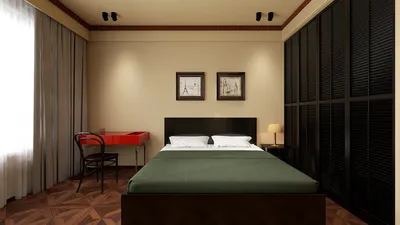


Creating a small living room that exudes brightness while still being cozy is an art. A layered lighting strategy—comprising ambient, task, and accent lighting—is essential. This method, when combined with glare control and a mix of warm and neutral color temperatures, leads to a welcoming environment that makes effective use of every light source. In limited spaces, the impact of light and shadow is significantly magnified. The Homestyler tool can help visualize and optimize these elements during your design process.
According to the WELL Building Standard v2, ideal ambient light levels for living areas range from 150 to 300 lux, with higher brightness levels designated for task lighting when necessary. The Illuminating Engineering Society (IES) suggests that general living room ambient light should typically fall between 100 and 300 lux, adjusted to suit specific activities. Opting for a color temperature between 2700–3500K fosters evening relaxation and ensures visual comfort, while maintaining a Unified Glare Rating (UGR) that's low by steering clear of bare light sources and opting for diffused shades. Prioritizing a Color Rendering Index (CRI) of 90 or above is key to enhancing color perception and material depth.
Research has shown that warm lighting, typically around 2700K, brings forth a sense of calmness, whereas cooler tones ranging from 3500K to 4000K can heighten alertness. This aligns with principles from color psychology, indicating that warmer shades create a cozy ambiance and reduce physiological arousal. My approach involves using warm ambient light paired with cool task lighting, ensuring areas for reading and socializing remain illuminated without overwhelming the space with harsh, clinical lighting. For further human-centric lighting advice, visit WELL v2—Light to discover more.
Design Strategy: Layer, Don’t Overlight
Rather than relying on a single bright fixture, my strategy revolves around three distinct layers of light. Ambient lighting, established through ceiling pendants or low-glare flush mounts, creates a soft base around 150-250 lux. Task lighting can be achieved using fixtures like swing-arm floor lamps or table lamps, enhancing light levels to 300-500 lux in reading and crafting zones. Accent lighting, such as picture lights or LED uplights, introduces depth and visual interest. If your furniture layout is still being decided, testing various arrangements with a room planning tool like Homestyler can help determine reach, sightlines, and electrical outlets before making any purchases.
Ambient Light: Balanced, Soft, and Adjustable
For homes with lower ceilings, a shallow and matte-diffused flush mount spreads light evenly while minimizing glare. I often choose dimmable LED disks within the 2700-3000K spectrum with a high CRI to reflect natural skin tones and fabric richness. For spaces with slightly more height, semi-flush fixtures featuring opal glass shades assist in bouncing light upwards. It’s advisable to select wide beam angles and avoid clear bulbs, ensuring a dimming capability that can reduce brightness to 5-10% for a comfortable evening atmosphere.
Task Light: Adaptable Designs with Stability
In cozy spaces, the function often shifts rapidly, be it hosting guests or working from home. This necessitates task lights that can pivot according to use. I recommend counterbalanced floor lamps featuring swing arms that can direct light to 300-500 lux on reading materials while avoiding hotspots in the overall space. Shades should ideally be opaque or textured to manage forward glare; consider adding a secondary table lamp across from the main task lamp to soften contrasts and reduce eye strain.
Accent Light: Dimension with Simplicity
In small living rooms, accent lighting serves to enhance perception rather than create clutter. A single upward-facing lamp on a console can create the illusion of higher ceilings. Subtle LED strips installed within shelving units can cast gentle gradients that highlight books and decorative pieces. If art is present, use picture lights with 2700-3000K LED bulbs that have a CRI of 90 or above for color precision. Staggered accent placements are crucial; achieving visual balance is essential alongside proper light measurement.
Color Temperature and Ambiance
For tranquil evenings, 2700K lighting fosters intimacy and comfort. If your living space also functions as a workspace, incoming cooler tones of 3000-3500K can enhance alertness without making the setting feel stark. Mixing extremes within the same sightline should be avoided, as the transition from 2700K to 4000K can disrupt the visual flow in compact rooms. Consistency in color temperature among bulbs promotes authentic readings of materials, particularly warm woods and neutral fabrics.
Managing Glare, Shadows, and Comfort
In smaller areas, glare can become pronounced. I employ layered shades, frosted diffusers, and indirect lighting methods to keep luminance levels comfortable. It’s important to position lamps so that brighter surfaces do not enter the peripheral vision of seated individuals. Using subtle uplighting behind the sofa minimizes harsh shadows on walls and softens contrast with any screens, reducing visual strain during movie nights.
Choosing Fixtures for Compact Spaces
Oversized fixtures can overwhelm a small environment. I recommend drum shades measuring between 12 to 16 inches for ambient lighting, while floor lamps should feature slimmer profiles, and table lamps should stay under 15 inches tall. Organizing cables neatly with clips along baseboards can help eliminate visual distractions from wiring, allowing the serene atmosphere you are cultivating to shine through.
Smart Controls: Creating Ambience
Dimmers are essential for flexibility in mood and lighting. I typically design three distinct scenes: Bright for daytime gatherings at approximately 250-300 lux, Balanced for evening hours around 150-200 lux with accent lighting, and Relax for late-night settings at 50-100 lux. Smart plugs or inline dimmers facilitate grouping lamps without the need for extensive rewiring. If your living room is adjacent to sleeping areas, consider timed fades post-10:30 PM to align with circadian rhythms.
Selecting Materials and Energy-Efficient Bulbs
Opt for lamps constructed with matte finishes, textured surfaces, and natural materials such as linen, paper, and rattan. These choices enrich the tactile quality of light output. LEDs should be specified with a minimum CRI of 90, an L70 rating of at least 25,000 hours, and flicker-free performance. Swapping out three high-wattage incandescent bulbs for 8-10W LEDs can drastically reduce energy consumption by over 75%, while simultaneously enhancing color stability and decreasing heat output.
Integrating Acoustics and Light
Utilizing hard, glossy surfaces can exacerbate glare and sound echo. To combat this, I combine lighting designs with acoustic solutions: incorporating rugs, curtains, and upholstered furniture. A fabric-shaded lamp positioned near reflective walls not only diffuses light but also softens sound, contributing to a more tranquil atmosphere during conversations.
Placement Overview: Zoning a Small Living Room
I categorize the space into several zones: 1) A reading corner with a swing-arm floor lamp and an oppositional table lamp; 2) The media wall featuring low-level backlighting behind the TV to mitigate contrast; 3) Shelving or display area illuminated with shelf strips or small picture lights; 4) General ambient lighting from one ceiling fixture or two semi-flush mounts. For flexibility, utilizing a layout planner like Homestyler can aid in confirming necessary clearances and light angles before committing to a design.
Common Pitfalls to Watch For
- Relying on a single pendant light without layering: this approach results in glare and dullness.
- Combining too many color temperatures: this misstep can distort how materials appear.
- Using clear bulbs where visible: this will create harsh lighting spots and shadows.
- Neglecting to include dimmers: results in static lighting moods all day long.
- Selecting oversized lamps: this can impede movement and overpower the overall design.
Quick Specification Checklist
- Ambient: 2700–3000K, CRI of at least 90, has dimming capabilities down to 5-10%, and is diffused.
- Task: Produces 300–500 lux at seating height, features opaque/textured shades, and has adjustable arms.
- Accent: 2700–3000K range, with a high CRI, staggered placements for balance.
- Controls: Incorporates preset scenes, glare aware placements, and effective cable organization.
- Sustainability: Aiming for LED bulbs equivalent to 8-10W, with an L70 rating above 25,000 hours and minimal flicker.
FAQ
Maintain ambient lighting around 150–250 lux while elevating task areas to 300–500 lux for activities like reading or hobbies, in line with recognized IES standards and WELL v2 comfort parameters.
2700K offers warmth and comfort, making it ideal for evenings spent at home. For clearer tasks, integrating 3000K ensures both comfort and visibility; blending 2700K ambient lighting with 3000–3500K for specific tasks is common.
Utilize shallow, diffused flush mounts, frosted bulbs, and indirect uplighting sources. It’s important to avoid clear bulbs and exposed filaments in areas visible from eye level.
Absolutely! By combining two floor lamps, one or two table lamps, and a shelf or picture light, you can achieve well-rounded ambient, task, and accent layers. Grouping these on dimmers will enhance versatility.
A CRI of 90 or above is crucial for accurate skin tones and fabric colors, particularly significant for artworks, wooden surfaces, and textiles.
Smart lighting solutions are fantastic for managing scenes and brightness without the need for extensive wiring changes. By creating daytime, evening, and late-night presets, you can ensure your lighting fulfills desired moods.
A general rule suggests utilizing one ambient fixture in conjunction with two or three portable lamps. For purely lamp-based setups, planning for three to four evenly distributed light sources is advisable.
Yes, concealed lighting in shelving units, behind TV panels, or even under console edges can be effective. Opt for 2700–3000K, high CRI dimmable strips for best results.
Position the swing-arm floor lamp slightly to the side of the seating area, directed down towards the reading material to prevent direct glare.
Incorporating low-level background lights behind TVs while softening ambient lighting helps ease sharp contrasts. Ensure task lights are angled away from the screen.
References
For detailed guidelines and best practices, consult WELL v2—Light, alongside recommendations provided by IES Standards for insightful information.
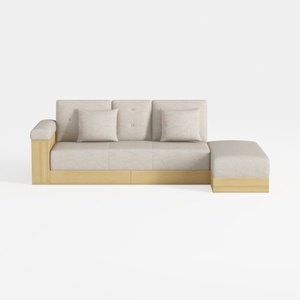
Minimalist Linen Solid Wood Sectional Sofa 3D Model
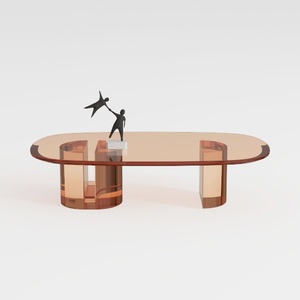

Modern Amber Glass Oval Coffee Table 3D Model
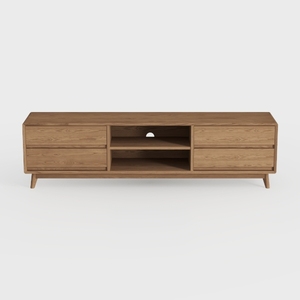
Mid Century Modern Solid Oak TV Stand With Storage Drawers 3D Model
Homestyler is your go-to online home design platform, perfect for all skill levels. With its user-friendly design tool, stunning 3D renderings, diverse design projects, and informative video tutorials, you can effortlessly create and visualize your dream spaces. Start designing today!
Projete agora para LIVRE
































