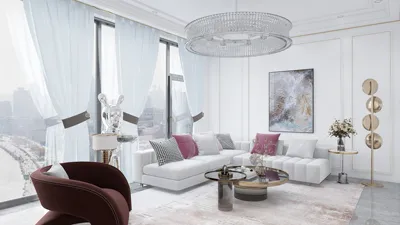


In photography, the significance of lighting cannot be overstated; it can truly define the quality of your shot. Among various lighting techniques available, serial lighting stands out for its remarkable capability to craft visually captivating stories. Serial lighting involves a sequence of lights arranged and managed to create a desired visual effect, transforming mundane photographs into mesmerizing works of art. This article delves into how to design photographs effectively with serial light and the considerable influence it has on your overall composition. To commence, grasping the fundamentals of serial lighting is crucial. Start by selecting your light sources. Options such as LED strips, fairy lights, or any series of mini lights that allow for easy manipulation can be effective. The arrangement of these lights holds great importance; consider using them to outline your subject or create a stunning bokeh effect in the backdrop. Afterward, don't hesitate to explore various configurations. Serial lights can be positioned in numerous designs, including spirals, waves, or even random clusters. Each unique setup will generate distinct outcomes, so feel free to experiment until you discover the ideal arrangement. One creative approach is to integrate colored gels with your serial lighting. By using colored filters over your lights, you can significantly alter the mood conveyed in your images. For example, warm hues can instill a sense of coziness, whereas cooler shades can foster tranquility. Moreover, timing plays a vital role in capturing the perfect shot with serial lights. The twilight hours are ideal for photography, as the diminishing natural light allows artificial lights to shine without overpowering the scene. Additionally, embracing movement can add a layer of excitement to your photos. Utilizing a slower shutter speed can help capture light trails, enhancing the dynamic nature of your images by emphasizing motion. Serial lighting is not restricted to outdoor settings; it can also significantly improve indoor photography. Whether you’re capturing a snug nook in your home or generating a festive environment during holidays, the right light arrangements can elevate your imagery. Ultimately, post-processing is an indispensable component of the photographic process. Utilize editing software to adjust brightness and contrast, ensuring the serial lights harmoniously blend into the final image. This step is vital for achieving a polished appearance that highlights your lighting design. In conclusion, designing photos with serial lighting invites creativity and curiosity. By comprehending the intricacies of light and its impacts on composition, you can create stunning visual stories that truly engage your audience. So, gather your lights and unleash your creativity! Whether you are budding photographer or an expert, the realm of serial lighting—accompanied by tools like Homestyler—presents infinite expressive possibilities. Remember, experimentation is key in discovering what resonates with your personal style. Happy shooting!
Tips 1:
Consider utilizing remote lights to add depth and dimensionality to your photography.
FAQ
Q: What is the most suitable type of light for serial lighting? A: LED strips are highly recommended for their versatility and array of colors.
welcome to Homestyler
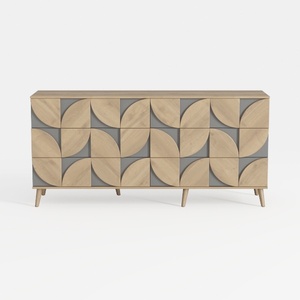
Modern Geometric Pattern Solid Wood Sideboard Cabinet 3D Model

Nordic Simple Resin Ceiling Lights, Modern Flush
If you're looking to transform your home effortlessly, Homestyler is your go-to platform! With its user-friendly online design tool, stunning 3D renderings, a vast array of design projects, and inspiring DIY video tutorials, you can effortlessly create the space of your dreams. Dive in and start designing today!
立即免费设计
































