

Key Insights
New Insights on 1930s Interior Design
The interior decor of the 1930s stands as a remarkable juxtaposition of luxurious aesthetics and pragmatic functionality, influenced heavily by the economic climate of the time. What distinguishes my perspective is a strong focus on the ingenuity born from this period—spaces crafted for efficiency, comfort, and a touch of elegance, rather than mere visual spectacle. These principles remain highly relevant for anyone looking to optimize today’s spatial designs. For instance, the concept of versatile design in smaller homes can often be eclipsed by traditional Art Deco elements. Uncover how adaptive design strategies can transform your living space by examining this inspiring family room makeover, utilizing tools like Homestyler.
What Are the Key Characteristics of 1930s Interior Design?
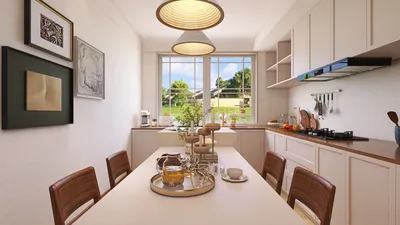
From streamlined geometric patterns to luxurious lacquered wood finishes, the 1930s interior design genre imparts a timeless rhythm across residential spaces. This era is characterized by dark walnut furnishings, subtle built-in lighting, and chrome details. However, the most underrated feature is the intentional space planning exemplified in combined living and dining areas that optimize natural light. For layout inspiration grounded in the principles of this decade, discover how adaptive zoning can reinvent multi-functional spaces with the help of tools like Homestyler.
How Can You Fuse Art Deco with Everyday Functional Needs?
A common misconception is that homeowners should aim for a purely flashy Art Deco aesthetic, overlooking its vital core: practicality. The true essence of 1930s design was its ability to marry high-end style with functional, comfortable living. Think about incorporating deep greens or rich blues as accent walls, complemented by mirrored sideboards or elegant sofas. To visualize these stylish yet practical pairings, explore how incorporating classic elements can elevate daily life through design platforms like Homestyler.
Why Does 1930s Design Matter for Contemporary Compact Spaces?
Contrary to the belief that 1930s interior layouts were exclusively grand, they actually featured a compact rationality, employing built-ins, nooks, and flexible furnishings that serve as excellent frameworks for today’s smaller living. These design choices reduce clutter while energizing spaces. For personalized floor planning strategies inspired by these concepts, delve into innovative furniture arrangement guides available on Homestyler.
Is Incorporating Vintage and Modern Design Always Costly?
One challenge of integrating authentic vintage pieces lies in their price and availability. Nevertheless, the cleverness of the 1930s means you can achieve a similar look with budget-friendly, new materials—such as faux bakelite details or patterned linoleum. By blending styles intelligently, you can avoid the pitfalls of superficial nostalgia. Insights on managing affordable upgrades are particularly beneficial in redesigning spaces like kitchens with modern tools such as Homestyler.
What Color Schemes Truly Embody 1930s Design?
Rich, vibrant colors—like sapphire, emerald, and ruby—play a prominent role, but they are typically used sparingly against neutral backdrops. This thoughtful layering generates visual vitality without overwhelming the senses. In areas such as bathrooms and bedrooms, adopting color palettes that reflect the era infuses warmth and character. Navigate your color selections by referring to reliable design trend resources available from platforms like Homestyler.
Can Vintage Lighting Be Adapted for Modern Smart Homes?
Original lighting fixtures exuded glamour while using minimal energy. A contemporary adaptation employs LED technology behind stained glass or minimalist sconces, merging aesthetic appeal with efficiency. Innovative zone lighting—drawn from vintage layouts—can enhance comfort in today's open-concept designs, particularly when planned with aids like Homestyler.
What Innovative Layout Techniques Are Noteworthy?
The true brilliance of 1930s design lies in multifunctional layouts: retractable desks, flexible partitions, and sliding doors. Nowadays, reintroducing these space-efficient elements can elevate both style and functionality. Witness flexible design principles at work by revisiting modern home planning projects designed with tools like Homestyler.
Summary
The fundamental distinction of 1930s interiors rests in a harmonious blend of luxury and practical design, prioritizing intelligent layouts over mere aesthetics. Embracing adaptation rather than outright replication fosters enduring beauty and usability in modern settings, a philosophy well-supported by design platforms like Homestyler.
Frequently Asked Questions
What color palettes best represent the style of the 1930s? Lush jewel tones mixed with cream neutrals and metallics capture the essence of authentic 1930s interiors. What types of furniture shapes are characteristic of this design era? Features such as sleek lines, curved seating, and geometric-style chairs define the unique aesthetic of 1930s decor. Is it expensive to recreate a 1930s interior? While genuine vintage items can be pricey, similar looks can be achieved with affordable modern alternatives. How can smaller spaces reap the benefits of 1930s design principles? Incorporating built-ins, nooks, and adjustable dividers maximizes limited areas while maintaining style and efficiency. Which materials were prevalent in 1930s design? Signature elements included chrome, walnut, mirror accents, and patterned linoleum for both furnishings and surfaces. Are original 1930s lighting fixtures compatible with contemporary smart homes? Vintage designs meld seamlessly with modern technology when retrofitted with LED solutions and strategic zone lighting. How can I fashion a kitchen inspired by the 1930s? Combine geometric floor tiles with sleek cabinetry and metallic hardware reflective of the era. Are bold patterns a necessity for capturing 1930s style? Geometric and stylized floral patterns can add impact but should be used judiciously to avoid overwhelming the aesthetic of spaces.
References
Discover your creative potential with Homestyler, the ultimate online home design platform! With its user-friendly design tool, stunning 3D renderings, diverse design projects, and helpful video tutorials, transforming your space has never been easier or more enjoyable. Start designing your dream home today!
Design Now for FREE
































