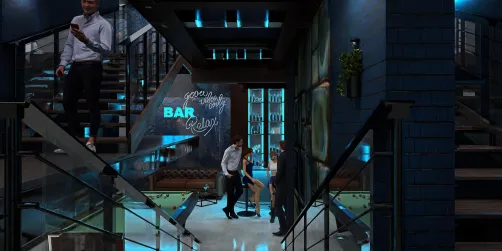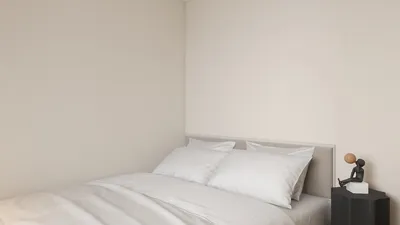



Having constructed over 30 miniature rooms featuring various brands, I find that Rolife kits consistently manage to combine charm with precision. This article provides a comprehensive guide to a systematic build process, professional finishing techniques, and display suggestions that can transform an ordinary kit into a display-worthy vignette.
Strategize Your Build with Real-World Proportions
Before moving on to cutting or assembling, I outline my approach: beginning with the structure, followed by electrical wiring, flooring, wall finishes, millwork, furniture arrangement, and soft furnishings. Just as in full-scale spaces, the ratios matter; I apply similar attention to miniatures—maintaining consistent sightlines, aligning edges, and managing focal points. As stated by the International WELL Building Institute, visual ergonomics and glare management significantly impact comfort; miniature lighting should adhere to these principles to minimize harsh shadows and ensure even lighting. Research from Steelcase shows that clear environments enhance perceived focus and satisfaction, which seamlessly applies to scaled scenes by maintaining low visual clutter and defined zones. For those seeking deeper insights into design behavior, Steelcase’s extensive research library provides valuable data on spatial clarity and its effect on user comfort, aiding in defining focal areas and distinguishing work/play sectors.
When planning layouts—considering furniture placements, movement pathways, and focal points—I frequently utilize a room layout tool for swift visualization: room layout tool. The miniature dimensions benefit equally from a strategic flow, balanced proportions, and unobstructed views to key features like windows, fireplaces, or workstations.
Lighting is Essential: Wire, Test, and Enclose
Lighting serves as the heart of a miniature house. I prepare the wiring before sealing the walls and ceilings, ensuring to test all LED lights, and I utilize vellum or frosted acrylic to soften the light. The Illuminating Engineering Society advises on the benefits of layered lighting and proper shielding to minimize glare in full-size environments; miniature versions should align with this advice—employ warm LEDs (about 2700–3000K) for inviting living spaces and neutral white (3500–4000K) for areas like kitchens and studios to preserve color accuracy. Additionally, the WELL v2 standard emphasizes the need for balanced lighting and considerations for circadian rhythms; even in miniature settings, warm hues in evening scenes and cooler tones in morning light create a more realistic visual experience.
To maintain accessibility for drivers, I design a concealed service bay either beneath the base or behind a detachable wall panel. To prevent glare from point sources, I recess tiny LEDs behind valances, sconces, or pendant fixtures. Always conduct tests with the lights turned off; if the miniature exhibits uneven lighting, consider incorporating diffusers or secondary bounce surfaces like matte white painted cards.
Understanding Color Psychology and Material Choices
Colors play a vital role in narrative construction. Soft neutral tones can enhance perceived scale and improve the readability of details; meanwhile, vibrant accent colors can serve to highlight specific areas. According to an overview of color psychology by Verywell Mind, blues promote calmness, greens encourage balance, and yellows infuse optimism—these colors should be used thoughtfully to steer both attention and mood. Matte finishes generally work better for photographing miniatures, whereas semi-gloss paints can be reserved for functional areas like kitchen tiles.
For materials, I integrate components from Rolife kits with personal modifications: the use of wood veneers for flooring, micro-mosaics for backsplashes, and quality cotton or linen for curtains. It's essential to maintain consistent textural scales; coarse materials can look oversized and disrupt the illusion. Opting for sustainable materials is equally important at a miniature scale—using water-based adhesives and low-VOC paints minimizes odors and protects delicate pieces.
Step-by-Step Precision Assembly Workflow
1) First, dry-fit the structural frame and lightly sand edges for square corners.
2) Next, install wiring runs and test all LEDs, labeling leads for straightforward troubleshooting.
3) Apply flooring before finishing the walls. I recommend using a thin contact adhesive and rolling with a burnisher for optimal adhesion.
4) Proceed with wall finishes: paint, then paper, followed by trim. Mask diligently as miniature tape lines can be unforgiving.
5) Construct casework and substantial furniture elements, ensuring doors and drawers are aligned; micro-magnets can provide realistic closures.
6) Attach glazing, mullions, and doors using capillary-action glue to prevent fogging.
7) Adorn the space with textiles, plants, and accessories, layering elements in the background, midground, and foreground to create depth.
8) Conduct a final lighting check, organize cable management, and close the base.
Consider Ergonomics in Miniature: Viewing Angles and Handling
It's crucial to consider human factors. Ensure primary scenes fall within a comfortable viewing angle to avoid awkward positions. Research from Herman Miller emphasizes the importance of clean focal areas for user comfort and task visibility; for a miniature workspace or studio, prioritize maintaining clear sightlines and prevent overcrowding with tiny accessories, which may strain the eyes. Implement a removable front panel or hinged roof to alleviate repetitive strain during maintenance.
Layout Techniques for Authentic Scenes
I prefer a simple hierarchy: one main focal point (such as a fireplace, bay window, or workshop bench), one additional anchor (like a bookcase or dining setting), and transitional elements (including rugs and runners) to enhance flow. Even when a kit proposes a fixed design, you can always rearrange the furniture for enhanced balance. When considering alternatives or incorporating custom alcoves, the interior layout planner proves immensely helpful: interior layout planner. Always observe scale clearances of 1:12 or 1:24 to ensure a natural feel, as circulation paths equating to 24–36 inches help avoid cramped compositions.
Representing Acoustic Indicators and Ambient Storytelling
Though miniatures don’t generate actual acoustics, visual clues to acoustic comfort—such as textiles, upholstered panels, books, and plants—evoke a serene atmosphere. Incorporating layered rugs, drapery, and upholstered seating can imply a softer experience. It's vital to balance reflective materials (like glass and tile) with those that absorb sound (such as fabric and matte wood) for a believable setting.
Finishing Techniques That Enhance Your Build
• Apply paint in thin layers; using primer prevents bleeding and improves adhesion.
• Employ micro-weathering with pastels to add realism—dust the edges of shelves, gently shade floor joints, and scuff stair treads.
• Use metal leaf or fine foil to replicate hardware and mirror frames.
• Create realistic foliage by scaling plants with fine-gauge wire armatures and flocking.
• Photograph your miniatures under soft lighting to ensure accurate representation; adjust color temperature until wood and textiles appear true.
Display Cases, Dust Prevention, and Power Management
Utilize an acrylic display case featuring a removable back or base for easy maintenance. Incorporate a discreet channel for the power lead with strain relief to safeguard solder connections. If your scene includes multiple lighting circuits (ambient, task, accent), label the switches for simplified operation and future adjustments.
2024–2025 Design Trends for Rolife Kits
• Warm minimalism: light oak flooring, linen drapes, low-glare lighting at 2700K, and sculptural ceramic accents.
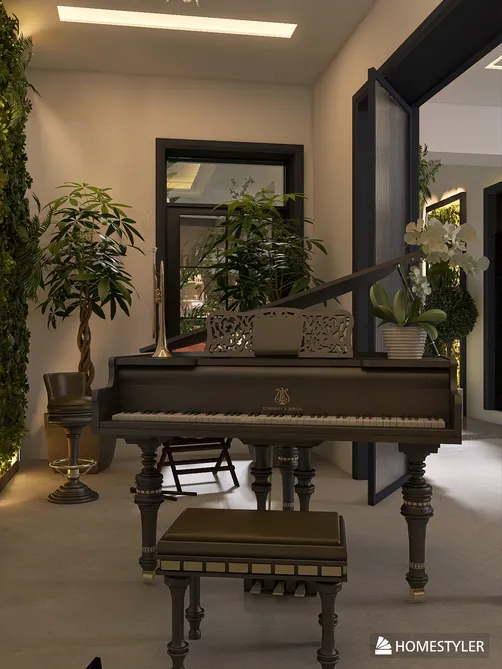
• Biophilic studio: a green-gray palette, textured plaster walls, integrated planters, and a sunlit reading nook.
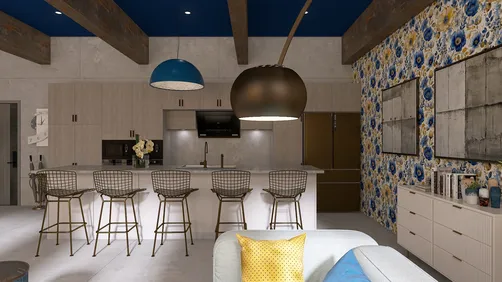
• Retro workshop: accented in mustard and teal, ribbed glass, and matte black task lights with diffusers.
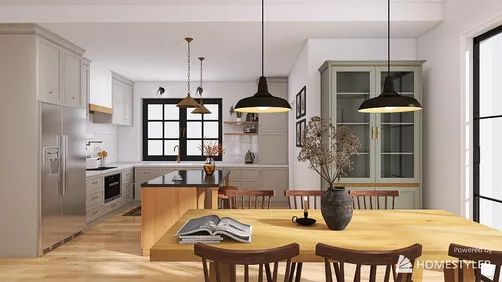
• Nordic kitchen: bleached wood, soft white tones, and layered task lighting for counters and shelves.
Identifying Common Troubles and Solutions
• Warped panels: store flat and weight them down during glue application; keep moisture to a minimum.
• LED hotspots: introduce diffusers or alter the positioning behind shades.
• Fogged glass: switch to non-solvent adhesives and apply in moderation.
• Scale discrepancies: review accessory sizes; ensure door heights, counter thickness, and chair proportions remain consistent.
• Mismatched colors: verify paints and textiles under your selected LED temperature before final application.
FAQ Section
Q1. What color temperature is optimal for a cozy living room scene?
A1. A warm white color temperature of around 2700–3000K appears inviting and flattering for wood finishes and textiles, reducing glare while enhancing comfort perception.
Q2. How do I avoid LED hotspots in tiny sconces?
A2. Recess the diode behind a diffuser—such as vellum, frosted acrylic, or a thin resin lens—and incorporate a small reflector to evenly distribute light.
Q3. Which adhesives are best suited for clear components?
A3. Opt for non-fogging, water-based craft glue or specialized micro cement applied with capillary action; avoid cyanoacrylate when working near clear plastics.
Q4. How can I enhance the realism of kit flooring?
A4. By staining or washing wood veneers, introducing subtle variations between planks, and finishing with a matte sealant, you can achieve a more realistic appearance. Lightly burnish to tighten seams.
Q5. What is the most dependable build order?
A5. Begin with the structure and wiring, followed by flooring, wall treatments, trim, key furniture, glazing, accessories, and conduct final lighting checks prior to enclosure.
Q6. How can I select an accent color that doesn’t overpower the design?
A6. Maintain a neutral base palette and introduce a single accent color (like a cushion, artwork, or lamp) to anchor the focal point. Typically, blues and greens provide a calming effect, while yellows impart energy.
Q7. Are there any tips for photographing completed miniatures?
A7. Utilize diffused lighting, ensure a neutral white balance, and maintain an eye-level angle to your miniature for the best results. A matte backdrop aids in reducing reflections on glass surfaces.
Q8. How can I ensure the scale appears realistic?
A8. Audit important dimensions—like door heights, counter thickness, and seating heights—to sustain consistent scale throughout all accessories and avoid visual dissonance.
Q9. What materials quickly enhance realism?
A9. Using thin wood veneers for flooring and shelving, realistic woven fabrics for drapery, and micro-magnets for cabinet doors can significantly elevate the tangible quality of your miniature.
Q10. Is it beneficial to plan the layout with digital tools?
A10. Absolutely. A brief session in an interior layout planner can assist in evaluating focal points, ensuring circulation clarity, and arranging furniture proportions before applying adhesive, minimizing the chance for rework.
What began as an Autodesk innovation has evolved into a design platform used by more than 20+ million registered users (platform data, 2026) around the globe. Homestyler combines powerful rendering, an intuitive editor, and a vast furniture library to help you turn inspiration into photorealistic designs — whether you're redesigning a single room or planning an entire home.
Discover the ease of home design with Homestyler! This online platform offers a user-friendly design tool, stunning 3D renderings, and a wealth of DIY video tutorials. Whether you're a novice or an experienced designer, Homestyler empowers you to create beautiful spaces effortlessly.
Design Now for FREE