

I once faced a challenge when a client requested a Restoration Hardware-inspired design in a compact 350 sq ft studio, including a freestanding linen cabinet at the entryway. This experience taught me that opulent materials and substantial designs require meticulous scaling. Consequently, I've begun to view small spaces as creative puzzles where every element needs justification for its presence. For quick reference, I often guide my colleagues to a useful space planning case study that demonstrates how proportion and flow consistently triumph over mere bravado.
1. Sculptural storage that appears as furniture
I enjoy incorporating storage solutions that look more like art than mere utility. Imagine open shelves marrying solid oak with sleek matte metal brackets. This approach serves a dual purpose: you achieve the inviting essence of Restoration Hardware without the added bulk, and each element acts as a visual focal point. However, maintaining a clean and organized look is crucial, as clutter can disrupt this aesthetic.
save pin
2. Monochrome layering infused with texture
The Restoration Hardware aesthetic is rich in tonal depth, so I prefer layering shades of grey, creamy whites, and deep charcoals, complemented with diverse textures like boucle, leather, and raw wood. This strategy is forgiving in limited spaces and results in a curated feel; just be sure to mix in different sheens and scales to prevent the palette from flattening the overall look.
save pin
3. Compact yet professional kitchens
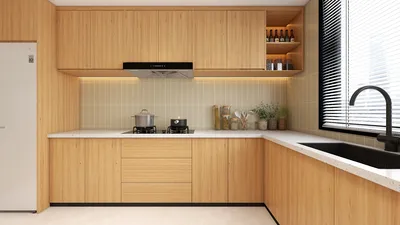
I’ve successfully integrated a professional atmosphere into small kitchens through careful selection of slender, tall cabinetry, striking hardware, and space-efficient range hoods. This setup captures the industrial-meets-refined vibe reminiscent of Restoration Hardware while ensuring that cooking areas remain functional. While going fully custom can increase costs, I often utilize digital layout testing to sidestep expensive miscalculations. Additionally, I maintain a curated list of kitchen layout ideas to demonstrate to clients how much can be achieved without a cramped feel.
save pin
4. Strategic lighting that transforms space
In more confined areas, a single chandelier can make or break the ambiance; thus, I advocate for layered lighting solutions — such as a pendant above the dining table, picture lights for artwork, and concealed LED strips to illuminate walls. This technique not only enhances spatial definition but also showcases materials beautifully. The upside is immediate visual impact with minimal investment; however, wiring limitations in older buildings sometimes necessitate creative adjustments.
save pin
5. Multipurpose luxury furniture
When a sofa incorporates storage, or a console table functions as a dining surface, you gain the essence of Restoration Hardware without needing additional space. I typically recommend items that exude luxury — such as pieces with brass accents or soft linen upholstery — crafted to fulfill dual functions. The trade-off is that entertaining larger groups might require a slightly more casual arrangement.
save pin
FAQ
Q: Can a Restoration Hardware style be achieved in a studio apartment? A: Absolutely! Focus on utilizing scaled-down forms, high-quality materials, and thoughtfully selected accessories to maintain a luxurious atmosphere without overwhelming the area.
Q: What materials can emulate the RH aesthetic without the high cost? A: Combine solid wood with engineered veneers, opt for performance fabrics that mimic leather, and incorporate metal accents in black or antique brass to capture that signature warmth.
Q: How do I avoid making a small space feel heavy with darker shades? A: Balance darker furniture with reflective elements like large mirrors, shiny tiles, or strategically placed lighting, and keep sightlines open by choosing furniture with elevated legs.
Q: Is custom furniture essential for diminutive Restoration Hardware-styled areas? A: Not necessarily. Modular furniture and well-chosen store-bought items can suffice, but custom pieces can prevent issues when a perfect fit or built-in storage is required.
Q: What quick adjustments add character without breaking the bank? A: Change out hardware, introduce a sculptural lamp, or layer a textured rug; even small alterations can convey a luxurious feel without major remodels.
Q: What’s the best way to effectively plan a tiny kitchen layout? A: Start by defining workflow zones (prep, cook, clean) and opt for tall, slim cabinets to maximize storage. For proven strategies and examples, reputable kitchen layout sources like those from Homestyler can provide tested configurations well-suited for smaller spaces.
Q: Are there recommended lighting standards to follow? A: Yes, aim for a blend of ambient, task, and accent lighting to prevent flatness. The Illuminating Engineering Society offers detailed guidelines regarding suggested light levels.
Q: Where can I find authoritative guidelines for kitchen layouts? A: The National Kitchen & Bath Association (NKBA) offers comprehensive planning standards (see nkba.org) that many designers reference for safe clearances and efficient workflows.
save pin
Homestyler is an outstanding online home design platform that makes your decorating dreams come true. With its user-friendly design tool, impressive 3D rendering, diverse design projects, and helpful DIY video tutorials, you can effortlessly create and visualize your ideal space. Unlock your creativity today!
立即免费设计
































