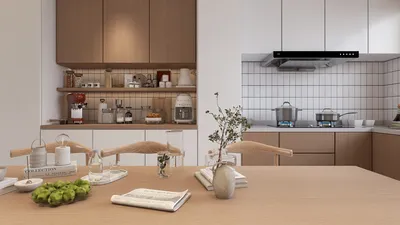


Creating a home is an artistic endeavor that demands creativity, expertise, and meticulous attention to detail. Residential design involves crafting spaces that are not only practical but also visually appealing. This article delves into the realm of residential architectural design and highlights the essential components involved in shaping the ideal living space.
Tip 1: Grasping the Client's Requirements
The initial step in home design is to comprehend the requirements and preferences of the client. An accomplished residential designer dedicates time to understanding the client’s lifestyle and vision. This insight allows for a customized home that aligns with the client's specific desires and functional needs.
Tip 2: Developing an Effective Floor Plan
An efficient floor plan is crucial in any home design project. A thoughtfully crafted layout ensures that the home is not only functional but also optimizes flow. It's essential that the arrangement of the spaces caters to how the client lives day-to-day.
Tip 3: Selecting Appropriate Materials
The choice of materials can greatly influence the home's visual appeal. A residential designer will assist clients in selecting materials that are attractive yet also resilient and functional, striking a perfect balance between beauty and practicality.
Tip 4: Emphasizing the Fine Details
Details contribute significantly to the uniqueness of a home. A skilled residential designer pays close attention to subtle elements that can transform a space. Key considerations include lighting, trim, and various hardware accessories.
Tip 5: Keeping Abreast of Trends
The field of residential design is perpetually changing. An effective residential designer remains informed about the latest architectural and interior design trends. This awareness ensures that homes are designed with a contemporary flair.
Tip 6: Leveraging Technology in the Design Process
Advancements in technology have dramatically changed home design practices. A proficient residential designer utilizes cutting-edge software to generate 3D models of the home, providing clients with a clear visual representation and enabling modifications prior to construction.
Tip 7: Collaborating with Reliable Contractors
An effective residential designer should possess a reliable network of contractors. This collaboration guarantees that the construction process is seamless and that the final outcome meets high-quality standards, resulting in the home of the client's dreams.
Conclusion
Residential design focuses on constructing the ideal living space for clients. By understanding their needs, crafting effective floor plans, selecting the right materials, emphasizing important details, staying updated with current trends, utilizing technology like Homestyler to improve the design process, and working with the right contractors, residential designers can create homes that are both stunning and functional.
Are you eager to embark on the journey of creating your ideal home? Explore the innovative features and design tools available at Homestyler to kickstart your inspiration today!
Дизайн сейчас бесплатно
































