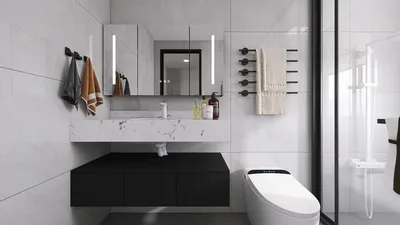


I've specified red marble in residential penthouses and boutique hospitality kitchens where a strong presence, unique personality, and consistent performance are essential. When executed correctly, it anchors the space with a vibrant focal point that feels both sculptural and inviting. The secret lies in harmonizing its dramatic veining and rich color with well-planned lighting, efficient workflow, and thorough maintenance strategies to ensure the kitchen remains stunning while functioning seamlessly on a daily basis. Utilizing tools like Homestyler can facilitate these design choices.
In kitchens where functionality is paramount, the balance of task lighting and glare control impacts how red marble is perceived. The WELL v2 Light concept sets forth illuminance and visual comfort benchmarks that translate beautifully to kitchen contexts—providing balanced ambient lighting and precise task light layers around preparation and cooking areas (WELL v2 Light). Ergonomically, well-defined work zones and appropriate reach distances help reduce strain and mistakes; practical insights regarding human factors in workspace design are thoroughly discussed by the Interaction Design Foundation (ergonomics overview). By grounding the kitchen design in these principles, the marble transcends mere decoration, becoming both readable and safe for users.
Understanding color psychology is crucial when incorporating red hues. Warm reds are often linked to energy and appetite, making them well-suited for culinary environments. A comprehensive exploration of how color affects mood and behavior can be found within the research-backed primer at Verywell Mind (color psychology). I embrace this vitality with red marble as a highlight element—placed on an island waterfall, as a full-height backsplash, or along the perimeter countertop—then soften surrounding surfaces using muted woods, matte metals, and understated wall finishes to maintain a sophisticated aura without overwhelming the senses.
Selecting the Ideal Shade of Red Marble
Not all red marbles are perceived equally. Deep oxblood varieties with fine white veining convey timeless luxury, whereas terracotta-tinged stones present a more earthy and modern feel. It is vital to assess the dominant undertones: blue-reds tend to evoke a formal atmosphere, while orange-reds are typically warm and casual. Under natural light, cooler reds might appear slightly somber; using adjustable white lighting (2700–3500K for ambient, 3500–4000K for tasks) keeps the stone vibrant without altering its true color. Consider slab size and vein orientation: large-format pieces minimize seams and create a continuous visual experience, particularly for islands and backsplashes.
Illumination: Enhancing Depth While Minimizing Glare
Red marble showcases its grain and crystalline sparkle most effectively under layered lighting. For food preparation, I recommend task illumination around 500 lx at counter level, accompanied by low-glare lenses or diffusers to prevent flashy highlights reflecting off the polished surface. Ambient light should range from 150–300 lx, with wall washes to lessen contrast across vertical surfaces. When working with glossy marble, a combination of indirect cove lighting and low-UGR fixtures maintains high visual comfort. Position linear pendants parallel to vein direction to reinforce the rhythm and avoid noticeable streaks, thereby offering a gallery-like clarity to the material.
Ergonomics and Kitchen Workflow
Red marble may take center stage, but it's essential that the kitchen's layout facilitates movement. I diagram the classic work triangle with modern adjustments for appliance locations and island traffic, ensuring a spacing of 42–48 inches (106–122 cm) between counters for easy access. Prep zones are strategically placed near the sink; hot cooking areas are positioned close to the cooktop and oven; plating occurs near landing spots. If considering an island waterfall crafted from red marble, incorporate recessed toe kicks and rounded edges to minimize shin contact and enhance accessibility. For intricate kitchens, using a room layout tool, such as Homestyler, can help simulate clearances, sightlines, and lighting focal points prior to fabrication.
Surface Finishes and Edge Profiles
The finish ultimately determines the aesthetic and the maintenance requirements. Polished red marble exhibits a mirror-like sheen that enhances color richness—ideal for dramatic show kitchens—though it may reveal etches more quickly. Honed or leathered finishes offer reduced reflections, improved tactile grip, and better conceal minor wear. Moreover, the choice of edge profile can affect behavior: a softened arris can help reduce chipping, while a demi-bullnose design prevents spills from cascading down. When creating waterfall ends, it's advisable to include a slight micro-bevel to safeguard corners during frequent use.
Material Pairing: Achieving Balance and Durability
To prevent overwhelming amounts of red, I pair red marble with subtle, high-performing materials. Rift-cut white oak, espresso-stained walnut, or ash with a matte finish counterbalance the richness while stabilizing the overall aesthetic. Incorporating brushed stainless steel, pewter, or burnished brass hardware allows for warm integration that doesn't detract focus. For the flooring, consider using large-format porcelain in earthy limestone shades or resilient wood-look options to mitigate noise and provide comfort underfoot. For areas not utilizing marble, backsplashes can be finished with microcement or glazed brick to introduce texture while remaining economical and easy to maintain.
Enhancing Acoustic Comfort in Hard-Surface Kitchens
Marble surfaces can heighten sound reflectivity. To address this, I incorporate acoustic solutions: cushioned counter stools, area rugs in connected open-plan living spaces, felt-lined drawer organizers, and micro-perforated wall panels near dining sections. Even small adjustments can significantly dampen noise, making the kitchen a more inviting space without compromising the stone's striking presence.
Tuning Color Psychology
Red brings energy into the space, but its saturation should be balanced. I limit the area covered by red marble to about 20–30% in smaller kitchens, increasing the proportion in larger settings with ample natural light. If clients have sensitivity to color, I introduce calming complementary greens through houseplants or soft olive wall paint, which enhance the richness of the red while soothing the palette. Metallic accents act as neutral transitions—brushed nickel cools while aged brass adds warmth.
Maintenance and Protection Strategies
Since marble is made from calcium carbonate, it can etch upon contact with acids (such as citrus and vinegar) and stain when exposed to oils or pigments. Regular sealing, using pH-neutral cleaners, and immediate wipe-ups are paramount. I recommend high-quality impregnating sealers and manage clients' expectations: honed finishes tend to conceal etching better than polished ones, and darker red varieties can hide minor stains. For frequent culinary users, I advise a blend of materials—employing red marble for showcase surfaces while opting for durable quartz or stainless steel in high-traffic prep areas.
Sustainability and Responsible Sourcing
The durability of stone contributes to sustainability when properly maintained. Collaborate with suppliers who can track quarrying practices and provide dimensional planning to minimize waste. By optimizing slab nesting during bookmatching red marble installations, offcuts can be reused as shelf or niche cladding. Utilizing low-VOC adhesives and breathable sealers also ensures good indoor air quality.
Layout Strategies Featuring Red Marble
For smaller kitchens, a singular red marble backsplash or waterfall end creates a streamlined focal corridor without overwhelming the senses. In larger settings, an island combined with a brief stretch of perimeter countertop in the same red marble can forge a balanced appearance devoid of monotony. It's important to align open shelves or cabinets so that sightlines lead to the marble focal point rather than clutter. An interior layout planner, such as Homestyler, can be utilized to experiment with various setups—adjusting island orientation, pendant spacing, and cabinet heights—prior to finalizing slab cuts.
Lighting Variations and Dimming Methods
Warm-dimming systems that transition from 3000K task lighting to 2200K ambient hues in the evening allow red marble to radiate without being overly saturated. It's crucial to maintain high color rendering (CRI 90+) to accurately showcase subtle vein colors and prevent muddiness in the red tones. Ensuring smooth and flicker-free dimming curves is also vital, ideally using drivers compatible with selected controls to maintain visual comfort standards often referenced in guidelines such as those from the IES.
Recommended Design Scenarios
- Show Kitchen Feature: Polished oxblood marble waterfall island with a slim-edge profile, complemented by matte walnut cabinetry, 3000K linear pendants, and brushed brass hardware.
- Modern Rustic Look: Honed terracotta-red marble slab backsplash featuring a leathered finish, paired with ash cabinetry and porcelain flooring in a warm limestone hue, enhanced with 3500K task strips beneath shelves.
- Minimal Luxury Style: Single-span red marble countertop with an integrated drainboard, microcement walls, stainless steel cooktop surround, and mixed ambient/task lighting set at 2700–3500K.
Budgeting and Value Considerations
Red marble falls into the higher pricing tier of natural stones. To extract value, meticulous planning is essential: minimizing seams, streamlining cuts, and selecting finishes that align with functionality. If funding a complete kitchen renovation in red marble seems excessive, focus on critical areas—the visible side of the island, the primary backsplash, or a striking console—while pairing with durable, cost-effective alternatives in less prominent spaces.
Frequently Asked Questions
Yes, when paired with the appropriate finish and maintenance. Honed or leathered surfaces can obscure minor etching, while sealing and pH-neutral cleaners help repel stains. Combining with more resilient materials in high-use prep regions is advisable if cooking frequently.
Not if you control the coverage and lighting appropriately. Restrict the stone to focal areas in smaller kitchens and employ warm, even ambient lighting to minimize contrast. Effective wall washing and high CRI lighting retain the material's visibility without closing in the space.
Task lighting should be set around 3000–4000K for clarity, while ambient lighting should hover at 2700–3000K for warmth. Warm-dim systems enable the stone to transition from energizing to cozy throughout the day while preserving color fidelity.
Opt for matte woods (such as oak, walnut, or ash) and restrained metals (like brushed stainless steel or aged brass) to create a balanced composition. Avoid high-gloss cabinetry unless a very glamorous aesthetic is sought—gloss can amplify reflections and visual distractions.
Implementing a slight radius or demi-bullnose edge can mitigate chipping and soften contact points. Micro-bevels at waterfall corners safeguard from impacts during everyday use.
Absolutely. Choosing diffused linear LEDs with low-UGR optics and placing them directing towards the backsplash, rather than the user’s eyes, ensures a user-friendly experience. Set illuminance levels around 300–500 lx at the counter for comfortable preparation tasks.
Introduce soft elements such as upholstered stools, area rugs in adjacent areas, felt liners for drawers, and textured wall applications. Even minor acoustic enhancements can significantly lessen sound reflection and improve comfort levels.
For cleaning, utilize pH-neutral stone cleaners, soft cloths, and avoid acidic substances. Promptly wipe up spills to minimize staining, and reseal according to the manufacturer’s recommendations. Honed finishes tend to be more forgiving towards everyday marks.
If aiming for a stunning centerpiece, then yes. Bookmatching a striking red marble across an island face or backsplash creates symmetry and highlights the unique veining pattern. Careful planning for slab usage can also minimize waste.
Definitely. Keep designs simple, limit the color palette, and choose matte companion materials. A singular, eye-catching red marble feature paired with quiet surfaces conveys refinement rather than a busy environment.
Maintain 42–48 inches of circulation space, align pendants with vein direction, and organize prep and storage areas to alleviate cross-traffic. Utilizing a layout simulation tool can help verify clearances prior to fabrication.
Select suppliers with traceable sourcing, optimize slab cuts to reduce waste, and employ low-VOC adhesives and breathable sealers. The longevity of stone makes it a responsible choice when properly maintained.
Unlock your creativity with Homestyler! This user-friendly online home design platform features an intuitive design tool, stunning 3D renderings, and a wealth of design projects and video tutorials. Perfect for both beginners and seasoned designers, it helps you effortlessly turn your vision into reality.
تصميم الآن مجانا
































