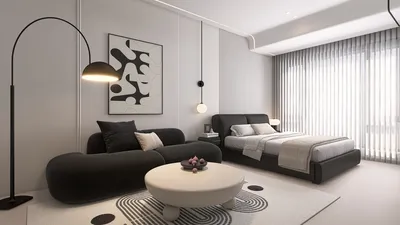


I once made the mistake of installing recessed lighting in the wrong area — quite literally. The living room resembled a spaceship cockpit because I neglected to test the dimmer settings. My client found it amusing, and I took it as a lesson. Now, I emphasize the importance of mockups and layered lighting. In compact spaces, canned lighting acts like a hidden ingredient: when used correctly, it enhances the entire atmosphere. Incorporating tools like Homestyler can help visualize these changes effectively.
1. Layered lighting using recessed fixtures
Recessed lights are ideal for creating layered lighting: they provide ambient light through a grid of fixtures, targeted illumination over reading areas, and highlight artworks with adjustable trims. The benefits include unobstructed sightlines and a contemporary design, but careful wiring coordination is necessary to prevent a flat and excessively bright ceiling. I typically recommend a spacing of 4 to 6 feet and suggest adding dimmers to allow the space to transition from bright cleaning to a cozy movie-watching atmosphere.
save pin
2. Employ adjustable LED recessed fixtures for versatility
Adjustable LED recessed lights enable you to direct light precisely where it’s needed — onto a sofa, architectural features, or to enhance natural light. LEDs are energy-efficient and remain cool to the touch; however, some lower-quality models may create harsh shadows. I advise using mid-CRI LEDs paired with gimbal trims for flattering and controllable lighting.
save pin
3. Integrate recessed lights with accent lighting
Combine recessed fixtures with floor lamps, wall washers, or picture lights to add depth to the room. While recessed lights offer uniform coverage, accent lights create focal points. Avoid an overcrowded look by choosing a single type of accent and ensuring that the color temperatures match to maintain a cohesive glow.
save pin
4. Smart controls and zoning for adaptability
Utilizing smart dimmers and zoning transforms recessed lighting into a versatile system, ideal for bright tasks, warm dinners, and dimmed movie nights. This enhances both convenience and energy efficiency; however, it's crucial to plan for separate circuits or smart relays during the installation phase to avoid complications later. I’ve helped many clients simplify the process by creating clear zoning maps ahead of time.
save pin
5. Decorative trims and placement strategies
Don’t underestimate the impact of trims — flanged, baffle, or eyeball trims can dramatically alter the appeal of recessed lights. Placement is equally significant: avoid positioning lights solely in the center of the room; instead, slightly offset their placement to minimize glare and harmonize with furniture arrangements. For budget-conscious updates, trims are a simple change that can be made later if preferences shift.
save pin
Tips 1:
For a visual representation of spacing and light distribution, consider using a room planner to outline fixture locations and furniture arrangements. A free floor plan creator can also assist in confirming the layout prior to installation. To explore open kitchen-to-living plans using similar recessed lighting strategies, take advantage of a kitchen layout planner for inspiration.
save pin
FAQ
Q1: How many recessed lights should I include in a living room?
A: A general guideline is spacing fixtures 4 to 6 feet apart, but factors like ceiling height, lamp wattage, and the purpose of the room should be considered; smaller spaces may require fewer, but strategically placed lights.
Q2: What color temperature works best in living rooms?
A: A warm white (2700K–3000K) creates a cozy ambiance; 3000K is a reliable contemporary option. Ensure other fixtures match to prevent clashing colors.
Q3: Are LED recessed lights worth the investment?
A: Absolutely — LEDs offer a longer lifespan, run cooler, and are more energy-efficient. Opt for a higher CRI (90+) to ensure natural skin tones and fabric colors.
Q4: Is it possible to install recessed lighting in a finished ceiling?
A: Yes, retrofit housings are available, but it may require more labor and ceiling repairs. Hire an electrician to guarantee airtight and code-compliant installations.
Q5: Should I use dimmers with recessed lighting?
A: Definitely. Dimmers offer mood control and enhance the longevity of bulbs. Always use compatible LED-rated dimmers for smooth performance without flickering.
Q6: How can I prevent a “spotty” appearance with recessed lighting?
A: Ensure even spacing and consider employing bounce light from walls or floor lamps to soften shadows and contrasts.
Q7: Are there specific safety codes to be mindful of?
A: Yes — it's crucial to use IC-rated housings for insulation contact and airtight housings for energy code compliance; consult local regulations or an electrician for specific guidelines. (Source: U.S. Department of Energy lighting guides)
Q8: Can recessed lighting damage artwork or fabrics?
A: LEDs with high CRI and low UV emission are safe; utilize directional trims and lower lumen levels for vulnerable items.
save pin
Discover the magic of home design with Homestyler! This user-friendly platform offers a fantastic online design tool, stunning 3D renderings, and a wealth of inspiring design projects. Plus, with DIY video tutorials at your fingertips, transforming your space has never been easier or more fun!
立即免费设计
































