


Producing lifelike 3D representations of body parts is crucial in various sectors, including medical training, prosthetic development, animation, and gaming. The journey begins by collecting precise references, which can involve high-resolution photos, anatomical illustrations, or CT and MRI scans. Following this, it is important to choose appropriate 3D modeling software; options such as Blender, ZBrush, and Autodesk Maya are favored for their exceptional sculpting and texturing features. Start by defining the fundamental shape, ensuring accurate proportions and key anatomical landmarks. Progressively, incorporate finer details, with a focus on realistic surface textures, including skin pores and muscle fibers. High-resolution sculpting allows for meticulous detailing, while retopology is essential to make the model suitable for rendering or animation. After modeling, the texturing phase involves the use of photographs or digital painting techniques to achieve natural skin tones and subtle color variations. The lighting and rendering stages play a crucial role—appropriate shadowing and material configurations enhance the realism of your creation, especially when viewed through tools like Homestyler, which allow for interior design evaluations in lifelike settings.
Advice 1:
As a designer, I consistently recommend leveraging specialized interior design rendering tools, like Homestyler, to assess models within scaled environments. For example, experimenting with anatomical models in clinical or educational contexts through a 3D Render Home application provides invaluable insights into their real-world applicability and visualization capabilities.
Frequently Asked Questions
Q: Which software is ideal for crafting realistic body part models?
A: Common choices feature ZBrush for intricate organic sculpting, Blender for a versatile and free approach, and Maya for seamless animation integration.
Q: How can I guarantee anatomical precision in my models?
A: Utilize trustworthy references, such as medical imaging, anatomy textbooks, or 3D scanned data. Consulting anatomical specialists can also be beneficial, if necessary.
Q: What methods are effective for texturing realistic skin?
A: Techniques include detailed digital painting, photo projection, and leveraging multi-layered shaders to mimic the intricate characteristics of genuine skin.
Q: How can I prepare my 3D models for animation?
A: Implement retopology to ensure smooth edge flow, establish a rig, and examine deformation around joints to maintain realism during motion.
Q: Are there AI tools that can help streamline aspects of 3D modeling?
A: Indeed, several AI-driven platforms are capable of generating base meshes, enhancing details, or aiding in UV unwrapping and texturing, thereby accelerating the workflow.

Minimalist Fabric L Shaped Sectional Sofa 3D Model


Minimalist Cream Fabric Modular Sectional Sofa 3D Model
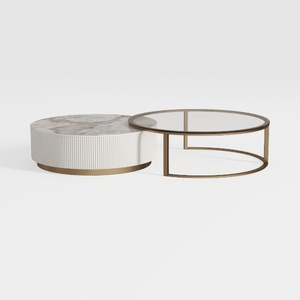
Modern Marble Gold Metal Glass Round Nesting Coffee Table 3D Model
Unlock your home’s potential with Homestyler! This user-friendly online design tool allows you to create stunning spaces with ease. Explore countless 3D renderings, diverse design projects, and engaging DIY video tutorials to ignite your creativity and transform your home effortlessly.
Zaprojektuj teraz za darmo
































