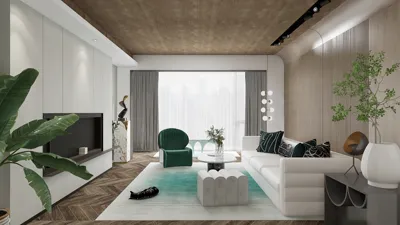


I have embraced purple in various settings, ranging from cozy city apartments to spacious family living areas, and this color truly excels when paired thoughtfully. Purple embodies the tranquility of blue alongside the vibrancy of red, enabling a transformation of a room's atmosphere from peaceful to elegant with just a simple shade adjustment. The essential factors to consider are proportion, illumination, and texture—when balanced correctly, purple can establish a classic aesthetic instead of a mere trend.
When developing color palettes and lighting strategies, I rely on two key data points: the WELL Building Standard suggests a target light level of 300–500 lux for communal living spaces to enhance comfort and visual clarity while addressing glare and ensuring proper color representation (WELL v2, Light concept). Additionally, research on color psychology summarized by VerywellMind indicates that lighter purples such as lavender and lilac evoke feelings of calmness and contemplation, whereas richer shades like royal purple and eggplant suggest opulence and introspection—insights that are incredibly valuable when designing a hall intended for family relaxation and occasional hosting.
Establishing the Foundation: Selecting Your Base Purple
Begin with a primary shade. In dimly lit halls, opting for a mid-lilac or muted mauve can keep the area feeling open; however, using a stronger eggplant in low light may make the space appear smaller. For south-facing halls that receive abundant daylight, aubergine or royal purple can convey richness without heaviness, particularly when paired with warm neutrals. I advocate for a ratio of 60% neutral elements (like walls or large rugs), 30% purple accents or a feature wall, and 10% contrasting metals, woods, or vibrant colors.
Illumination is Key: Color Temperature and Glare Management
The perception of purple can drastically change under varying light sources. At warm white temperatures of 2700–3000K, lilac appears inviting, while at 3500–4000K (neutral), mauve retains a fresh and contemporary feel. Ensure task areas such as reading corners are lit near 3500K to showcase material colors accurately, and layer ambient lighting around 3000K for a sense of tranquility. Aim for an overall brightness of 300–500 lux throughout the hall by using diffusers or indirect lighting methods to prevent harsh reflections that can distort dark purples. Dimmer switches offer a way to adjust the mood without changing the bulbs themselves.
Successful Color Combinations
• Lavender + Soft Gray + Brushed Nickel: An airy and modern ensemble. Gray provides clarity, while nickel adds a sleek shine that keeps purple looking fresh.
• Mauve + Warm White + Natural Oak: A blend that feels balanced and inviting. The natural oak tones warm up purple’s cooler elements and ground the overall scheme.
• Aubergine + Cream + Antique Brass: An elegant and cozy palette. Brass beautifully reflects low light, enhancing the richness of deep tones.
• Plum + Charcoal + Rose Beige: A sophisticated color scheme ideal for high-ceilinged rooms; charcoal frames the space while rose beige softly lightens the overall look.
• Lilac + Sage Green + Matte Black: A serene, botanical feel. Sage is a low-saturation companion that balances lilac, while black sharpens the outlines.
Focus on Accents: Metals, Woods, and Textiles
Metals influence the ambiance created by purple. Cool color schemes benefit from polished chrome or nickel finishes, while warmer palettes lean towards brass or bronze. The choice of wood is equally crucial: rift-cut white oak can soften lilac, walnut enhances aubergine, and ash gives a modern touch to mauve. For textiles, mix different pile heights—such as pairing velvet cushions with a bouclé sofa or flat-weave rugs beneath plush throws—to develop a tactile depth that allows purple to feel multi-dimensional rather than flat.
Walls Versus Furnishings: Strategically Placing Purple
In smaller halls, I generally keep the walls neutral and allow purple to come through in upholstery, drapery, artwork, and a singular rug. In larger spaces, a purple feature wall can serve as a focal point for the seating area without overwhelming the room. If you’re adjusting furniture arrangements or contemplating focal walls, utilizing a room design visualization tool, like Homestyler, can help map out traffic areas, sightlines, and distribution of purple before making any final decisions on paint or purchases:
visualization tool for room design
Finding Balance Through Color Psychology
Purple encourages introspection, which can be valuable for serene evenings, but it may feel chilly in the morning light. To offset this effect, introduce a hint of warmth—through cream textiles, tan leather, or a terracotta vase—to maintain emotional flexibility in the hall. Pairing a neutral that leans warm (such as beige or a warm greige) will counteract the cooler undertones of many purples, softening the overall visual impact.
Thoughtful Proportions and Sightlines
Reserve the use of the most vibrant purple tones for surfaces that are less susceptible to wear—such as feature walls, cabinetry, and framed artwork. For high-touch items like handles and consoles, opt for durable finishes in wood or lacquered metal. Create a rhythm by repeating purple in three locations along a primary sightline, each with diminishing intensity (deep plum feature wall, mauve cushions, lilac throws) to guide the eye without overwhelming it.
Flattering Lighting Layers for Purple
• Ambient: Use ceiling-mounted indirect or softly shaded pendants at 3000K to create a warm atmosphere.
• Task: Position floor lamps near reading chairs at approximately 3500K for optimal clarity, aiming for 500+ lux for better visibility on pages.
• Accent: Use 2700K picture lights or LED strips on shelves to enhance the warmth of dark purples and draw attention to textures.
Ensure the use of high CRI (Color Rendering Index) sources to maintain the accuracy of purple hues; poor color reproduction can shift purples to muted blue or brown tones.
Acoustic Comfort with Material Selection
Since halls frequently serve as communal gathering spots, it’s important to minimize echo with soft materials. Textiles like velvet drapery, wool rugs, and upholstered panels in shades of purple can absorb sound and create a soothing acoustic environment. If your space is lively, distribute soft materials strategically across floors and a wall to decrease flutter echo without visually cluttering the area.
Strategies for Small Halls
Opt for lighter purples, shiny finishes, and compact furniture arrangements. Frame purple elements with sleek outlines—consider narrow sofas and slender coffee tables to keep sightlines open. Utilizing mirrors opposite windows can reflect natural light, enhancing purple features and ensuring the palette remains bright instead of shadowy.
Strategies for Large Halls
Feel free to embrace deeper purple tones to ground expansive spaces but balance this with large fields of cream or warm gray. Scale patterns to fit the room: large geometric rugs in mauve or plum can anchor the floor visually. In taller rooms, introduce horizontal elements—like chair rails or picture ledges—to prevent saturated walls from feeling excessively heavy at the top.
My Favorite Purple Paints and Fabrics
I typically seek out desaturated, muted purples with stable undertones. It’s beneficial to test paint samples at varied times during the day, both in natural daylight and artificial lighting. For fabrics, I recommend choosing performance finishes in family-friendly halls; while deep purple velvets can be stunning, they often attract lint, so pairing them with structured weaves can achieve balance and ease of maintenance.
Sustainability and Durability
Select low-VOC paints and long-lasting, repairable textiles. While purple trends may change, establishing a neutral base with wood components allows for easy updates to accents seasonally; swap out cushions, throws, and artwork while retaining the core pieces for timeless appeal.
Expert Insights
The lighting comfort benchmarks cited from WELL v2 (Light concept) promote healthy visual environments. Insights into color behavior provided by VerywellMind’s color psychology overview assist in aligning your purple shade selections with desired moods and functions.
Common Questions
Vibrant mauve or mid-lilac shades are ideal as they maintain saturation without overwhelming compact spaces, particularly under 2700–3000K ambient lighting with a high CRI.
Employ the 60/30/10 guideline: 60% neutral, 30% purple, and 10% accent metals or woods to ensure that purple is present without dominating the overall aesthetic.
Absolutely, particularly in larger halls filled with good natural light. Balance with warm-gray or cream areas and layered lighting to sustain depth without excessive heaviness.
Ambient light should hover around 3000K for warmth, while task lighting should be set at 3500–4000K for clarity. Strive to keep glare to a minimum and aim for an overall brightness of 300–500 lux as suggested by comfort guidelines.
Brass or bronze work wonderfully with deeper purples for a sense of warmth, while chrome or brushed nickel pairs well with lilac for a refreshed appearance. Match metal finishes to the undertone to ensure cohesion.
White oak beautifully complements mauve or lilac tones; walnut enhances aubergine shades. Consider incorporating a rug that harmonizes wood tones with purple to achieve a unified look.
Using deep purple can risk overwhelming a space. Keep walls neutral, choose lighter purples for textiles, and utilize mirrors to reflect light, creating a sense of openness.
Colors such as sage green, warm whites, cream, and rose beige introduce warmth while balancing the cooler aspects of purple without clashing.
Incorporate soft materials like wool rugs, velvet drapery, and upholstered panels. Spreading absorbent materials across the floor and a wall can effectively reduce echoes in the space.
Yes—opt for durable, stain-resistant fabrics and leverage purple in removable accents. Keep frequently touched surfaces crafted from more forgiving materials.
Utilize a layout simulation tool like Homestyler to plan out furniture arrangements, circulation paths, and focal walls. This will reveal how purple will visually resonate from key sightlines.
Add warm metallic elements, cream-hued textiles, and layered lighting. Include a touch of warm undertones through wood accents or terracotta decorations.

Modern Purple Fabric Boucle Loveseat Sofa 3D Model

BRIAN & DANY Small Foot Stool, Linen Foot Stools

Modern Dark Purple Fabric Sectional Sofa 3D Model
Homestyler is your go-to online platform for home design, offering an easy-to-use design tool and stunning 3D renderings. Dive into a wealth of design projects and DIY video tutorials to inspire and guide you in transforming your space effortlessly. Start creating your dream home today!
Design Now for FREE
































