


I am a fan of preppy interiors for their assured blend of tradition and sophistication—think crisp stripes, tailored upholstery, brass details, and academic motifs. When executed well, a preppy space offers visual harmony and everyday accessibility. In my designs, this aesthetic combines structured layouts with a mindful color palette, creating an environment that feels uplifting, elegant, and ideal for studying, relaxing, or entertaining. Tools like Homestyler can aid in visualizing these designs effectively.
Preppy design is rooted in balance and clarity, which significantly influences our daily lives. Research from Gensler shows that well-organized spaces can enhance productivity and focus, particularly when areas are clearly defined and circulation paths are established. Likewise, Steelcase emphasizes that an orderly arrangement with distinct zones helps improve attention during tasks. This aligns with my observations in preppy-style homes: a carefully arranged room minimizes visual distractions, streamlining routines and uplifting the atmosphere.
The role of lighting is crucial in cultivating the preppy ambiance. The WELL v2 guidelines suggest a considered approach to lighting quality to foster circadian health and visual comfort, while IES standards highlight the necessity for task-appropriate illuminance and glare management. For reading areas, I aim for lighting between 300–500 lux, utilizing warm-to-neutral lamps (2700–3500K) and layered lighting to avoid harsh contrasts. With these foundational lighting principles addressed, the signature preppy features—pinstripes, monograms, and glossy finishes—can be showcased without becoming overwhelming.
Establish Your Preppy Palette
Color serves as the foundation for this style. I typically begin with a classic base—navy, hunter green, oxford gray, or crisp white—and then add one accent color: raspberry, citrus yellow, or powder blue. To ensure the space remains sophisticated, I restrict the palette to two dominant shades plus one accent hue. According to color psychology insights from Verywell Mind, blues evoke tranquility and stability, while greens can foster balance; both align seamlessly with the preppy goal of elegant, composed interiors. Finish with contrasting details: ivory trims on navy upholstery, dark frames against light walls, or striped curtains with solid borders.
Textiles: Stripes, Plaids, and Tailored Layers
Preppy textiles are characterized by structure and tactile appeal. I blend rugby stripes, houndstooth patterns, and windowpane designs in controlled combinations. Typically, one bold stripe, one understated plaid, and one textured solid keep everything coherent. Upholstery features defined piping; cushions may include monogram details; throws should be wool or cotton with whipstitch edges. I prioritize sustainability by opting for natural fibers that are durable and easy to maintain, ensuring that items age gracefully and retain their charm.
Layout That Works (and Looks Polished)
A preppy room looks its best when furniture arrangements create a sense of symmetry and intentional flow. I position the focal piece—be it a sofa or bed—centrally, then mirror side tables and lamps to reinforce order. Desks should be placed perpendicular to windows to minimize glare; reading chairs should be paired with a small table for conversation. When planning your layout, consider simulating traffic paths and sightlines using an interior design tool like Homestyler to avoid clutter and maintain clear walkways.
Lighting Layers with Collegiate Charm
Task, ambient, and accent lighting all play significant roles. For instance, brass banker lamps on desks provide focused task lighting with style, while shaded floor lamps offer soft ambient light. Picture lights positioned above framed certificates or vintage pennants add a refined gallery vibe. Consistency in color temperature across fixtures is crucial for maintaining a harmonious look; aim for warm-neutral lighting in living areas and neutral hues in study spaces. Dimmer switches are excellent for transitioning from study to relaxation modes without disrupting the room's polished ambiance.
Wall Statements: Mouldings, Panels, and Gallery Curation
Preppy walls benefit from architectural elements. Features like picture frame mouldings, wainscoting, or beadboard introduce rhythm and proportionality. I often paint paneling a satin white before hanging a curated gallery of botanical prints, rowing club photographs, varsity pennants, and monochromatic family portraits in simple black or brass frames. Careful alignment—keeping centerlines and spacing consistent—ensures the display feels purposeful rather than chaotic.
Furniture: Classic Forms, Updated Finishes
Consider classic pieces such as club chairs, tuxedo sofas, campaign chests, and spindle beds. I select furniture with clean, tailored lines and imbue personality through unique finishes—like lacquered nightstands, ebonized legs, or leather-wrapped pulls. Balance is key: if your bed appears visually substantial, opt for light side tables; if your sofa is sleek, add a more robust coffee table to anchor the seating area. For ergonomic comfort, aim for a seat height of 17–19 inches, while desks should be around 29–30 inches for optimal typing posture.
Pattern Discipline and Visual Balance
Preppy rooms exude crispness due to careful pattern management. I limit patterned areas to about one-third of the room—this might include curtains, a rug, and a cluster of cushions—allowing solids and textures to dominate the rest. Achieving visual balance is about pairing vertical elements (like bookcases and drapery) with horizontals (such as wainscoting and benches) and arranging focal points in a triangular layout: main seating, art wall, and console or bed wall. This diagrammatic approach keeps the space visually engaging and composed.
Accessories: Monograms, Pennants, and Scholarly Touches
The finer details complete the look. Monogrammed pillow covers, lacquered trays, vintage globes, and polished brass bookends bring a nod to academic sophistication. Fresh-cut greenery in a navy vase outshines gaudy floral arrangements for this aesthetic. Keep displays tight, limiting to three to five items per vignette, while varying heights for interest. Incorporate a mix of book cover styles—both jacketed and cloth-bound—and opt to stack some horizontally to anchor lighter accessories.
Materials and Durability
I prioritize materials like cotton, wool, leather, and wood with low-sheen finishes. If you love stripes, consider using solution-dyed fabrics renowned for their fade resistance. For rugs, flatweave or tightly woven wool options help maintain crisp edges and allow for easy cleaning. When moisture or sunlight may be issues, select finishes and fabrics specifically rated for such conditions to maintain that polished look over time.
Acoustics and Comfort
A tranquil, composed environment enhances the preppy aura. Layering soft surfaces—like rugs, lined curtains, and upholstered seating—helps reduce sound reverberation, while minimizing excessive hard surfaces that amplify sound. If the room serves as a study, including a soft-backed pinboard can both absorb noise and help organize paper clutter.
DIY Projects to Anchor the Style
- Paint a striped or panel wall in two contrasting tones (e.g., navy and ivory).
- Incorporate picture frame moulding with precise spacing; fill it with collegiate-themed art or certificates.
- Reupholster a chair using piped cushions in a rugby stripe design.
- Upgrade hardware to polished brass or leather pulls.
- Craft a monogram stencil for cushions or trays.
- Arrange bookcases by color family—navy, cream, forest green—for a calming aesthetic.
Budget and Sustainability Notes
Combine high-quality investment pieces (like sofas and rugs) with affordable accents (lamps and trays). Upcycle solid wood furniture with new paint or hardware; opt for textiles designed for durability to reduce the need for replacement. When vintage shopping, assess frame integrity and cushion support—classic designs often withstand time and beautifully fit the preppy aesthetic.
FAQ
Q1: What are the hallmark colors of a preppy room?
A1: Navy, forest green, oxford gray, and crisp white create a dependable base. Incorporate a single accent color, such as raspberry or light blue, while keeping the overall palette cohesive for a tailored appearance.
Q2: How can I arrange furniture to achieve a polished look?
A2: Position the primary piece (bed or sofa) centrally, mirror side tables and lamps, and ensure unobstructed circulation. If assistance is needed, utilize a layout tool like Homestyler to visualize different arrangements.
Q3: What are the recommended lighting temperatures?
A3: Use warm-neutral (2700–3500K) for living spaces and neutral tones for study areas, incorporating a layered approach with task, ambient, and accent lighting. This strategy complements WELL v2’s focus on optimal light quality and visual comfort.
Q4: Which patterns resonate most with the preppy aesthetic?
A4: Stripes, houndstooth, windowpane, and subtle plaids are ideal. Limit the use of patterns to three types and balance them with solid colors and varied textures to avoid visual overload.
Q5: How can I incorporate collegiate elements tastefully?
A5: Utilize framed pennants, black-and-white photographs, and brass picture lights. Ensure frames match and spacing is precise for an elevated aesthetic.
Q6: Which textiles are best for durability within a preppy style?
A6: Choose materials like cotton, wool, and leather with close weaves. Consider solution-dyed options for added fade resistance and framed edges for a refined look.
Q7: How can I enhance acoustics in an active space?
A7: Introduce lined curtains, area rugs, and upholstered furnishings. These features help soften sound reflections, making study sessions or conversations more enjoyable.
Q8: What ergonomic advice do you have for desk setups?
A8: Position desk height around 29–30 inches, select a chair that keeps forearms parallel to the surface, and arrange the desk perpendicular to windows to minimize glare.
Q9: Is preppy style feasible for small rooms?
A9: Absolutely—utilize a restrained color palette, vertical storage solutions, and mirrored lighting to create symmetry. Choose one prominent pattern, keeping the majority of elements solid.
Q10: Share a quick DIY to boost preppy character.
A10: Paint picture frame moulding and set up a curated mini-gallery, or switch to polished brass hardware for an instant upgrade.
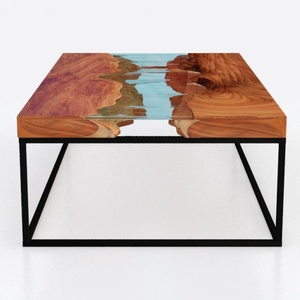
Custom 3D Waves Ocean Dining Table, Blue Ocean

Modern Navy Velvet Curved Sectional Sofa 3D Model
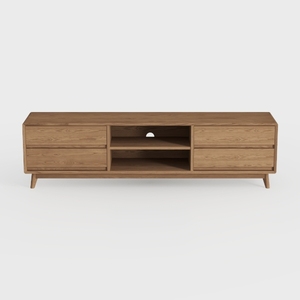
OKD TV Stand for 75+ Inch TV, Mid Century Modern
Discover the ultimate home design experience with Homestyler! This user-friendly platform offers a robust online design tool, stunning 3D renderings, and a wealth of design projects and DIY video tutorials. Unleash your creativity and transform your space effortlessly—no expertise required!
Progetta ora GRATIS
































