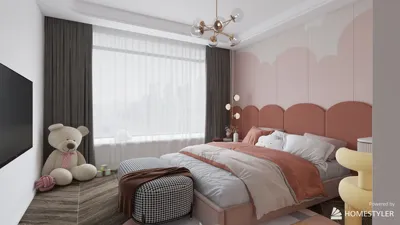


Over the past ten years, I have observed how pink has transformed from a mere accent to a refined neutral choice in design. When carefully implemented—by balancing undertones, light intensity, and material textures—pink can either soothe, energize, or gracefully elevate the ambiance of a space. The crucial factor lies in selecting the appropriate shade to suit the intended atmosphere, alongside orchestrating lighting and surfaces to ensure the color conveys the desired effect. Incorporating tools like Homestyler can further enhance this process by simulating various shades and their interactions within your space.
The psychological effects of color are quantifiable. According to Verywell Mind, softer pinks are linked to feelings of tranquility, whereas more vivid pink shades can exude energy and assertiveness—ideal for social areas or feature walls. In office settings, strategic use of color correlates with productivity: findings from Gensler’s U.S. Workplace Survey indicate that environments fostering concentration and collaboration enhance efficiency. Personally, I implement muted pinks in secluded areas to minimize visual distractions and use bolder accents in collaborative spaces to trigger engagement.
Lighting plays a crucial role in achieving the desired outcome. Referencing IES guidelines on illumination, living spaces generally feel most inviting with ambient light levels between 100–300 lux, while work surfaces thrive under 300–500 lux. It’s important to note that pink reacts distinctly to varying color temperatures: at 2700–3000K, blush and dusty rose hues appear warm; between 3500–4000K, salmon and coral shades remain vibrant; however, temperatures above 4000K can wash out softer tones. I prefer using a combination of warm ambient light, neutral task lighting, and adjustable accent lights to maintain the integrity of the color. Tools like Homestyler can assist in visualizing how different lighting affects your chosen shades.
Creating a Thoughtful Pink Palette
I begin by defining the purpose of the room—whether to create a calming environment, encourage focus, host gatherings, or infuse energy. Based on this intention, I choose from the diverse spectrum of pink shades:
To maintain balance, I typically complement pink with a cool neutral, such as stone gray or graphite, alongside a warm material like oiled wood or cane. This combination helps prevent the space from feeling overly sweet.
Lighting, Color Temperature, and Material Reflection
The perception of pink is significantly influenced by light and its reflective qualities. When illuminated by 2700K light, blush appears golden, while at 4000K, it tends to take on a cleaner appearance. Therefore, I layer my lighting thoughtfully:
Opt for finishes with specific intentions: matte walls mitigate glare while maintaining sophistication; an eggshell finish for trims can add a refined glow; fabrics like velvet and bouclé absorb light, creating richness; glazed tiles and satin metals will enhance coral hues through reflection.
Implementing Pink by Room Type
In living areas, I often choose a dusty rose for the wall (in a matte finish) and pair it with a stone-gray sofa, walnut coffee table, and a jute rug. Accenting with brass picture lights and a coral linen pillow introduces a subtle vibrancy. For visualizing arrangements, utilizing a room layout tool or platforms like Homestyler can assist in experimenting with seating arrangements and sight lines before finalizing paint and larger furniture decisions:
room layout tool
To keep saturation low and textures soft, I might opt for a blush linen headboard, light clay-pink plaster on the head wall, and bedding in bone or ecru. Aiming for 30–50% wall coverage in pink ensures natural wood and off-white tones balance the rest of the palette. Incorporating black accents, such as slender sconces, helps avoid a cloyingly sweet aesthetic.
A creamy pink zellige backsplash paired with oak cabinets and honed marble featuring rose veining creates a timeless look. If you prefer more subtle cabinetry, consider applying pink to the island base or bar stools. In dining areas, a coral ceiling in matte can warm skin tones and enhance the dining experience under 2700K dimmable pendant lights.
For focus, utilizing a muted rose or clay-pink on an accent wall behind computer monitors can minimize visual clutter. Keeping work surfaces neutral and integrating 3500K task lighting will help maintain contrast. Additionally, brightening collaboration areas with a saturated pink ottoman or artwork can introduce energy without overwhelming the room's overall design.
Understanding Color Psychology and Behavior Signals
Gentle shades of pink evoke calmness and hospitality, while more vibrant pinks promote creativity and lively interaction. According to Verywell Mind's insights on color psychology, pink conveys warmth and nurturing—qualities that are especially advantageous in healthcare environments and reception areas. Strategically utilizing different undertones can amplify the effects: blue-based pinks feel modern and crisp; yellow undertones convey coziness; while grayish pinks convey sophistication and alleviate visual fatigue in sunlight-rich spaces.
Acoustic Properties and Comfort Factors
Sound management is an often-overlooked aspect that complements the mood-enhancing properties of pink. Installing upholstered panels in rose wool felt can reduce echo and enhance the depth of color. Fabrics like bouclé, mohair, and heavy drapery can absorb high-frequency sounds, allowing for sleek ceilings without echo issues. In open-concept living spaces, using a mauve area rug paired with a velvet sofa offers greater comfort than simply applying another layer of paint.
Material Pairings and Finishes
Pink flourishes when combined with contrasting textures:
For resilience, select durable materials that meet Martindale standards for your specific needs; in kitchens, opt for ceramic or quartz surfaces featuring warm veining to harmonize seamlessly with pink elements.
Proportions, Flow, and Visual Harmony
I often propose designs structured as a balance of 60/30/10: 60% neutral base (off-white, gray, or warm stone), 30% pink elements (walls and significant textiles), and 10% high-contrast details (black, deep green, or indigo). In smaller areas, I might reduce pink to 20% and strategically place it where light naturally reaches—such as behind sofas or along ceiling coves—ensuring it reads beautifully without overwhelming the space.
Elevating Pink Through Styling Choices
Emerging Trends 2024–2025: Fresh Perspectives on Pink
Pink is beginning to evolve into more earthy shades: clay pinks, stucco blush, and mineral mauves. Anticipate the rise of micro-terrazzo incorporating rose aggregates, colored plaster finishes, tinted limewash, and warm metallic accents. In professional environments, pink is increasingly utilized in textile accents and gradient films for wayfinding on glass—subtle yet effective.
Utilizing Pink as a Zoning Feature in Layout Planning
Color can delineate spaces without the need for physical barriers. I might position a blush rug alongside a matching wall panel to denote a reading area, then switch to coral stools to signal a social gathering space. To effectively visualize arrangements, it’s worthwhile to chart out traffic patterns, access to natural light, and sight lines. Tools like an interior layout planner or Homestyler can assist in trialing different configurations before final decisions on paint or furnishings:
interior layout planner
Checklist for Perfecting Pink Application
FAQ
In small spaces, opting for a light, low-saturation blush with a hint of gray maintains an airy atmosphere. Pair it with off-white ceilings and reflective or satin-finish metals to enhance illumination without glare.
Anchor your design with sophisticated materials—walnut, travertine, or blackened steel—while minimizing intricate patterns. Select muted rose or mauve instead of bubblegum pink, and prefer matte finishes for walls to keep the aesthetic refined.
For optimal warmth, choose a color temperature of 2700–3000K to enhance blush hues and promote intimacy. For tasks requiring clarity, supplement with 3500K localized lighting, keeping overall ambient light warm.
Employing muted rose or clay-pink can help diminish visual distractions while enhancing focus, especially when paired with neutral desktop colors and 3500K task lighting, aligning with findings that well-calibrated environments contribute to effective work.
In dining settings, consider colors like olive green, navy, charcoal, or warm brass. Ensure the tabletop surface is neutral, such as oak or walnut, to avoid color-casting on your meals.
Yes, in settings like dining rooms or powder rooms, applying a subtle coral or blush at 10–20% saturation and combining it with dimmable 2700K pendants will create a flattering ambiance.
To effectively cue functions without barriers, apply pink consistently in each zone—like using a rug plus wall panel in reading areas or incorporating stool color at an island for social interactions.
Utilize matte limewash or plaster for walls, velvet for focal textiles, soft bouclé for comfort, aged brass for warmth, and honed stone to ground the color scheme effectively.
Absolutely. North-facing light can cool pink tones and dull their vibrancy, while south-facing light tends to warm and intensify them. Always test samples on two walls and observe them throughout different times of the day.
Aim for 20–30% pink coverage in balanced designs. If the room appears oversaturated, consider scaling back on larger surfaces and keep pink present in textiles and art details.
Absolutely. A blush sofa or mauve rug can temper high contrast and introduce warmth without disrupting a monochromatic design.
Consider satin or matte lacquer in dusty rose or clay-pink, pairing them with warm-veined stone and aged brass hardware to maintain a sense of refinement.
Discover the ease of home design with Homestyler! This intuitive online platform offers a powerful design tool, stunning 3D renderings, and a wealth of design projects and video tutorials. Perfect for anyone looking to create their dream space effortlessly!
Design Now for FREE
































