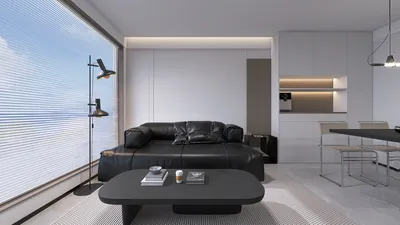


I once unintentionally disrupted a client's moodboard by testing a pearlized paint sample under fluorescent lights — resulting in a wall that resembled sun-baked frosting. This experience taught me quickly: lighting dramatically alters perceptions. When planning a room that incorporates a pearl finish, it's essential to examine both natural and artificial lighting's effects on your walls before committing to a full application. Utilize tools like Homestyler for effective visualization of your room design.
1. Gentle Pearl for Inviting Bedrooms
Utilizing a low-sheen pearlized paint in bedrooms is a way to reflect morning light without imparting a metallic glare. It enhances skin tones and makes bedding appear sumptuous, making it ideal for compact master suites. However, note that pearl finishes can emphasize surface imperfections, so ensuring smooth surfaces is crucial — the end result is a tranquil and refined sanctuary.
2. Striping with Directional Sheen
Rather than painting an entire wall, consider an elegant horizontal band of higher pearl content above the headboard or along the wall behind the sofa. It provides a jewel-like quality to the room — offering a subtle appearance from one angle while sparkling from another. This method is also budget-friendly as it requires less material, although achieving a consistent sheen during touch-ups may pose a challenge.
save pin
3. Ombre Pearlescent Hallway
Hallways serve as narrow canvases where a pearlized ombre can create an illusion of expanded space. I once applied a gradient that transitioned from soft pearl at the floor level to a slightly stronger pearl near the ceiling, making visitors feel as though they were stepping into a realm of light. This technique works beautifully when combined with strategic layout choices — consider integrating paint ideas with your kitchen design or traffic flow. Homestyler can assist in these planning efforts.
save pin
4. Discreet Pearl Near Wet Areas
Applying pearlized paint near sinks or behind vanities mimics the effect of a soft backsplash without incurring the expense of tiles. It tends to resist marks better than flat finishes and is easier to clean, although it may not be as durable as genuine ceramic. If you're planning a kitchen or bathroom upgrade, keep in mind that pearlescent finishes can reveal water streaks more readily, but they do clean up nicely.
save pin
5. Small Bathroom, Big Drama: Metallic-Pearl Wash
For smaller bathrooms, I frequently suggest applying a diluted metallic-pearl wash with a broad brush. It creates a sophisticated, spa-like ambiance without the necessity for expensive tiles. While this finish requires some maintenance (as flaws and water spots can be noticeable), when applied correctly, it resembles custom millwork. Before making a final decision, I recommend previewing the effect in renderings or sample panels — I typically encourage clients to view 3D previews on platforms like Homestyler to avoid unexpected results.
save pin
FAQ
Q1: What is pearlized paint for walls?
A: Pearlized paint features mica or synthetic pearlescent pigments that refract light, resulting in a soft shimmer. It is subtler than metallic finishes and is often chosen to add depth.
Q2: Is pearlized paint appropriate for compact spaces?
A: Definitely — in small areas, it can enhance light and give the illusion of a larger space, but it should be used thoughtfully or at lower sheen levels to avoid overwhelming the visual appeal.
Q3: How can I effectively test pearlized paint before full application?
A: Use sample boards and observe them at various times throughout the day and under different artificial lighting. I always test 12x12 inch panels on-site to ensure satisfaction before moving forward.
Q4: Does pearlized paint conceal wall imperfections?
A: Not particularly — its reflective nature tends to highlight bumps and trowel marks. Adequate surface preparation and light sanding are beneficial investments.
Q5: Is pearlized paint suitable for areas like bathrooms and kitchens?
A: It’s more washable than flat finishes but less durable than ceramic tiles or high-gloss enamel. For damp locations, ensure good ventilation and select products specified for kitchens and bathrooms.
Q6: Can I pair pearlized paint with both modern and traditional styles?
A: Absolutely — pearl finishes are versatile. They can appear contemporary with sleek lines or exude luxury when used with classic designs and moldings.
Q7: Are there any safety or VOC concerns?
A: Opt for low-VOC formulas if indoor air quality is a priority. For detailed health information, consult the product's technical data sheets — reputable manufacturers like Sherwin-Williams provide comprehensive safety and VOC information on their websites.
Q8: How do professionals achieve a uniform pearl finish?
A: Professionals manage tool control, lighting, and technique: consistent application with brushes or rollers, appropriate thinning if necessary, and working in good lighting conditions. For those uncertain, testing small patches or hiring a professional for the final application is advisable.
Homestyler is your go-to online home design platform, perfect for both novices and pros. With its user-friendly design tool, stunning 3D renderings, and a wealth of DIY video tutorials, you can effortlessly create and transform your spaces into beautiful realities. Start designing today!
立即免费设计
































