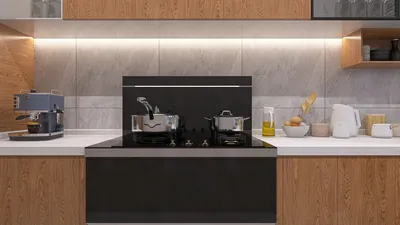


During a recent last-minute staging visit, I attempted to erase a stubborn cat scratch, only to exacerbate the situation — a valuable lesson learned: always conduct a preliminary test. It’s remarkable how a small tool like a paint touch-up pen can dramatically enhance a room's appearance, particularly in compact spaces where every square inch is vital. For anyone dealing with small areas, these handy techniques are part of my essential toolkit for optimizing space.
1. Begin with a small test patch
I always start by applying the pen in a concealed spot, like the inside of a closet hinge or a hidden corner, before addressing the visible section. This quick test takes just two minutes but saves the hassle of a mismatched shade redo — sometimes, it’s not the color but the sheen that causes problems.
2. Blend the edges for an invisible finish
Instead of applying a thick blob of paint, I prefer using light, feathering strokes, allowing each layer to dry completely. This method results in a nearly seamless finish; however, it requires patience — multiple thin layers are always more effective than one thick layer.
3. Address textured walls with a stippling technique
When working with lightly textured walls, touch-up pens can sometimes leave flat spots. To counter this, I lightly dab the pen and then stipple with a small dry brush to restore the texture. This method can be a bit tricky, but it’s a budget-friendly approach for rentals and staged homes — if you're considering a new layout, think about integrating touch-ups with fresh floor plan ideas using tools like Homestyler to maximize visual appeal.
4. Utilize touch-ups to define trim and corners
Occasionally, a touch-up pen serves as a highlighting tool: it sharpens the edge between trim and wall or cleans up scuff marks around doorknobs. It’s an affordable and swift solution, though it shouldn’t replace repainting large areas that are significantly worn or dirty.
5. Quick fixes for photo readiness in listings
For those selling or managing short-term rentals, I ensure to address small chips before taking photos — a tidy touch-up can instantly elevate perceived value. Pairing these fixes with clever staging tips enhances the overall presentation; for kitchen imagery, coordinate touch-ups with straightforward kitchen layout strategies, such as decluttering and rearranging lighting, for a cleaner aesthetic.
FAQ
Q: Can a paint touch-up pen perfectly match any wall color?
A: Touch-up pens work wonders for minor chips, but achieving an exact match relies on the paint's age, sheen, and available light. Always test in a hidden area and be prepared to mix or layer different shades if necessary.
Q: What is the maximum area that can be managed with a touch-up pen?
A: These pens are ideal for small chips and scratches — consider repairs the size of a coin. For larger imperfections, a brush or a partial repaint may be required to prevent mismatched texture and sheen.
Q: Should I sand prior to using a touch-up pen?
A: Lightly roughening the edges and cleaning away dust can enhance adhesion, but heavy sanding isn't generally needed for minor repairs. Keep preparation minimal yet effective for optimal results.
Q: How long should I wait before recoating or applying a topcoat?
A: Most touch-up paints dry to the touch within an hour, but it’s wise to wait 24 hours to allow for a complete cure before undertaking heavy cleaning or applying a varnish. Always check the pen packaging for exact drying times.
Q: What should I do if the sheen does not match?
A: Differences in sheen are often the most noticeable issue — matte over semi-gloss finishes will be apparent. If there’s a sheen mismatch, consider trying a pen with a matching sheen or plan a small touch-up area to merge different finishes smoothly.
Q: Is it possible to use a touch-up pen on textured plaster?
A: Yes, although extra effort may be required to replicate the texture; stippling with a fine brush following the application will help. For more pronounced textures, a small brush or trimming before painting may yield faster results.
Q: Are touch-up pens suitable for rental turnovers?
A: Absolutely — they are ideal for quick repairs and turnovers, saving both time and costs when compared to complete repaints. Keeping a compact kit with common colors allows for swift maintenance.
Q: Where can I find trustworthy touch-up advice from paint professionals?
A: For manufacturer-specific information, Sherwin-Williams provides practical tips on touch-ups and color matching. Check out Sherwin-Williams: https://www.sherwin-williams.com for comprehensive guidance and product recommendations.
Discover the ease of home design with Homestyler! This user-friendly platform features an intuitive online design tool, stunning 3D renderings, and a wealth of inspiring design projects and DIY video tutorials. Transform your space effortlessly and unleash your creativity today!
立即免费设计
































