

The creation of 3D models portraying organic shapes—such as plants, animals, or fluid designs—represents a captivating yet demanding domain in digital design. Unlike geometric forms, organic modeling requires a comprehensive grasp of curves, uneven surfaces, and natural proportions. Whether you are a novice or a seasoned artist, the journey commonly begins with the choice of suitable software like Blender, ZBrush, or Maya, coupled with an exploration of the subject's anatomy and mastering the art of sculpting. Understanding polygon flow and edge loops is crucial for ensuring both realism and ease of manipulation in your designs. Techniques such as box modeling, digital sculpting, and retopology play a vital role in crafting clean and efficient mesh structures. Furthermore, the use of reference images and strong observational skills are key in effectively capturing the essence of natural forms.
As a professional interior designer, I frequently find the need for organic 3D modeling to visualize bespoke furniture or decor items—imagine a coffee table shaped like a leaf or a lounge chair with biomorphic features. In such cases, utilizing innovative platforms like Homestyler allows designers to incorporate organic creativity into realistic interior vistas, streamlining the process from concept development to the final visual output. These tools can significantly enhance experimentation with textures, colors, and natural lighting within a virtual space. This designer-focused methodology not only improves presentation quality but also helps clients to envision unique, harmonious shapes that could elevate the aesthetics of their homes.
Tips 1:
Always create a solid base mesh before introducing intricate details to your organic model. Employ subdivision and multiresolution techniques to maintain a smooth and adaptable surface. Utilize symmetry functions to save time while modeling bilateral figures such as faces or animals.
FAQ
Q: Which software is most effective for 3D modeling organic shapes?
A: ZBrush and Blender are popular choices because of their powerful sculpting capabilities and adaptable workflows suited for organic modeling.
Q: Why is having reference material important in organic modeling?
A: Reference material ensures accuracy and realism by offering guidance on anatomical intricacies, surface textures, and proportions.
Q: What is the purpose of retopology in organic modeling?
A: Retopology restructures your mesh for improved animation, smoother rendering, and easier modifications, which is particularly beneficial for complex organic designs.
Q: How can I apply realistic textures to my organic models?
A: High-resolution UV maps and procedural materials should be used; platforms like Substance Painter can facilitate efficient texturing processes that enhance natural detail.
Q: Is it feasible to incorporate organic shapes into interior design projects?
A: Definitely! Tailored organic forms—such as sculptural furniture or decorative elements—imbue a unique personality and warmth to interior spaces, and they can be digitally rendered for client presentations using tools like Homestyler.
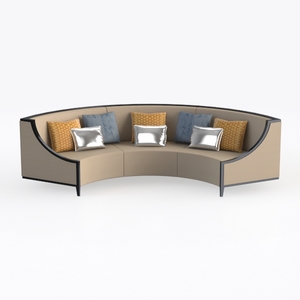
Modern Fabric Curved Sectional Sofa With Decorative Throw Pillows 3D Model
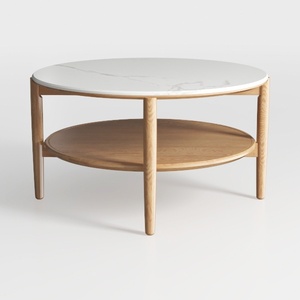
Minimalist Marble Top Solid Oak Round Two Tier Coffee Table 3D Model
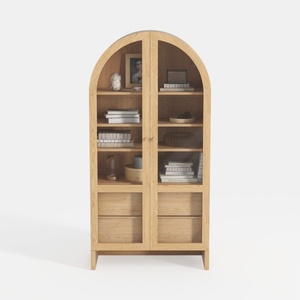
Minimalist Solid Wood Arched Display Cabinet 3D Model
Discover the magic of home design with Homestyler! This user-friendly platform offers an innovative online design tool, stunning 3D renderings, inspiring design projects, and easy-to-follow video tutorials. Transform your vision into reality and elevate your space effortlessly—perfect for both beginners and seasoned designers!
Progetta ora GRATIS
































