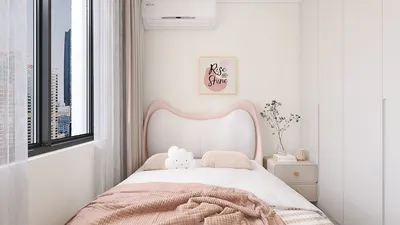


I once transformed a client's entire bedroom into a 'taupe' haven, believing she only wanted "neutral" tones. Unfortunately, the color appeared lackluster under certain lights, bringing her to tears. This taught me a valuable lesson: neutrals require layering. In this article, I will demonstrate how to enhance these sometimes dull moments with strategic use of texture, contrast, and layout adjustments, also including a fantastic tool I utilize for sketching neutral bedroom layouts: Homestyler.
1. Textured Neutral Layers
Typically, I begin with three different neutral shades: a warm base, a mid-tone for furnishings, and a light accent. By incorporating boucle cushions, a woven area rug, or a linen duvet, I can add depth without the chaos of vibrant colors, creating a serene atmosphere. However, it's vital to avoid excessive texture; having too many competing patterns can create visual clutter. Therefore, I select one dominant texture complemented by a secondary option.
2. Cozy Warm Monochromes
In smaller bedrooms, I often opt for a singular warm neutral—such as warm beige—and diversify the finishes: using matte paint, satin wood, and brushed brass accents provides a cozy, hotel-like ambiance. This approach is visually pleasing, but can feel weighty in low-light rooms. My advice is to keep the ceilings and trim lighter in tone to create an airy feel without breaking the bank.
save pin
3. Incorporating Dark Accents
In a recent project, I implemented black bedside lamps and slender picture frames to ground a completely neutral palette. This little contrast ensures the layers of neutral tones come across as thoughtful rather than mundane; however, it's important to acknowledge that black surfaces can attract dust, adding a minor maintenance consideration. For those curious about how these contrasts will look in a space, I frequently create realistic 3D renderings with tools like Homestyler before making any purchases.
save pin
4. Embracing Natural Materials and Greenery
Natural elements like wood, stone, and terracotta pair beautifully with neutral paints; they infuse warmth and a sense of connection to nature. Adding a small planter on the dresser can soften the color scheme and enhance air quality—opting for low-light plants in dimly lit rooms is ideal. Economically, using a few authentic materials can create a significant impact, or if funds are limited, consider sourcing high-quality faux varieties that mimic texture.
save pin
5. Multifunctional Furniture for Compact Neutral Bedrooms
In tight quarters, I prefer multifunctional items: benches with storage, slim dressers that can serve as nightstands, or headboards featuring built-in shelves. These selections promote a serene, uncluttered neutral theme, although bespoke pieces may come at a higher cost; I balance this with some DIY projects or thrifted treasures. To streamline the process of trying different layouts, I sometimes utilize an AI-powered home design platform like Homestyler to visualize how different furniture and neutral shades work together.
save pin
FAQ
1. What hues are classified as neutrals for a bedroom?
I categorize neutrals as encompassing whites, creams, beiges, grays, taupes, and warm browns. It's important to choose one temperature (warm or cool) and harmonize finishes to ensure a cohesive look.
2. How do neutral colors influence sleep quality?
Neutral palettes are generally calming and reduce visual distractions, which can facilitate falling asleep. For expert advice on light and sleep hygiene, refer to the National Sleep Foundation: https://www.sleepfoundation.org.
3. Can small bedrooms work well with an all-neutral scheme?
Certainly—small areas frequently benefit from a limited color palette; selecting lighter neutrals and reflective finishes can keep the space feeling open. Introducing a darker feature can prevent the design from feeling incomplete.
4. How can I ensure a neutral bedroom doesn’t feel monotonous?
Incorporate texture variations, diverse materials, and one or two contrasting elements like a dark lamp or a patterned throw. Layering remains the quickest approach to instill visual interest without infusing color.
5. Are patterned textiles suitable within neutral schemes?
Certainly—discreet patterns in neutral tones (such as herringbone, thin stripes, or small-scale geometrics) can infuse character without disrupting the tranquility. Keeping patterns within the same color family supports cohesion.
6. What type of lighting is optimal for a neutral bedroom?
Warm, adjustable lighting creates the coziest environment; combine general ceiling lighting with bedside lamps and a low-level floor lamp. It's best to avoid harsh cool LEDs as they can wash out warm neutrals.
7. How should I select finishes that complement a neutral paint color?
Test color samples in the room under varying lighting throughout the day; coordinate the paint with wood and metal samples to see how they interact. Priority should be given to texture and finish (matte vs. satin) just as much as to color selection.
8. Can neutrals harmonize with other design aesthetics?
Neutrals are highly adaptable—they work well in Scandinavian, Japandi, modern, and classic decor styles. Your choice of materials, furniture shapes, and accents will guide the overall style, while the neutral tones ensure timeless appeal.
Homestyler is your go-to online home design platform! With its user-friendly design tool, stunning 3D renderings, and a wealth of inspiring design projects and video tutorials, transforming your space has never been easier. Dive in and unleash your creativity today!
Design jetzt kostenlos
































