


Designing realistic 3D human figures, often referred to as naked 3D models, plays a crucial role in various fields such as art, education, and professional visualization. The journey starts with choosing suitable 3D modeling software like Blender, ZBrush, or Maya, which provide impressive sculpting and rendering features. To achieve anatomical accuracy, gather high-quality references, and utilize the sculpting tools to meticulously develop correct body proportions and contours. Focusing on intricate details—such as muscle definition, skin texture, and natural poses—will enhance the lifelike quality of your models. The next phase involves texturing; through UV mapping and applying high-resolution images, you can create authentic skin tones and features. Finally, adjusting your lighting and rendering settings breathes life into your design, ensuring the 3D model becomes engaging and realistic.
As an experienced interior designer, I appreciate integrating this detailed method of anatomically rendering human figures into 3D Render Home projects. By incorporating accurate human models, you can visualize how individuals interact within designed environments, which is essential for optimizing furniture positioning and spatial arrangements. Including exact 3D human figures in my projects enables clients to gain a clearer understanding of the scale and functionality of their future interiors, thus making the presentations both visually appealing and functionally insightful. Using tools like Homestyler can also elevate the visualization process, solidifying the design concepts.
Tips for Creating 3D Models:
When sculpting your 3D models, draw inspiration from reference poses and lighting that mimic real-world photography. This approach boosts realism and guarantees that your digital figures blend organically into your scenes or interior visualizations.
Frequently Asked Questions
Q: Which software is ideal for crafting naked 3D models?
A: Top choices for 3D modeling include Blender, ZBrush, Maya, and 3ds Max, recognized for their exceptional sculpting capabilities and rendering options.
Q: Is creating and sharing naked 3D models legal?
A: Creating these models is legal for artistic, educational, or professional applications; however, it's critical to adhere to copyright laws and community guidelines—especially concerning explicit content.
Q: What steps ensure my 3D models are anatomically correct?
A: To ensure anatomical accuracy, utilize high-quality references and focus on human proportions. Many artists find anatomy textbooks or full-body scans to be invaluable resources.
Q: Can these models be utilized in interior design projects?
A: Certainly! Anatomical 3D models are instrumental for designers, aiding in the visualization of human interaction with space, thereby enhancing ergonomic and layout decisions.
Q: What are the most common file formats for sharing 3D models?
A: The prevalent file formats for 3D models include .OBJ, .FBX, .STL, and .GLTF, which are compatible with a majority of 3D modeling and rendering applications.
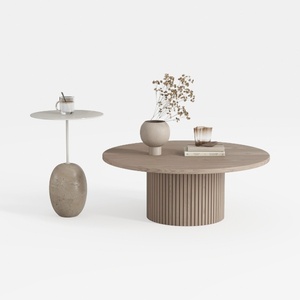

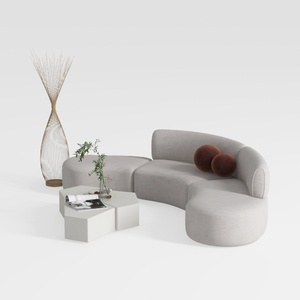
Minimalist Fabric Curved Sectional Sofa 3D Model

Modern Rattan Fabric Outdoor Sectional Sofa with Coffee Table 3D Model
Discover the power of Homestyler for your home design needs! This user-friendly platform offers an intuitive online design tool, stunning 3D renderings, inspiring design projects, and helpful video tutorials. Bring your creative vision to life effortlessly, whether you're a beginner or a DIY pro!
Design jetzt kostenlos
































