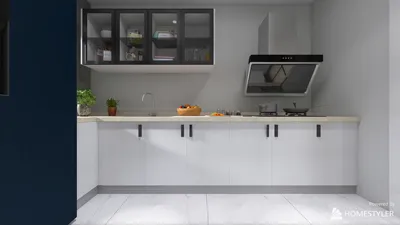


An expertly organized PDF catalogue for modular kitchens can significantly enhance decision-making by providing clear dimensions and eliminating uncertainty in finishes and hardware selections. From my extensive experience leading kitchen projects over the last ten years, I've found that the most effective kitchens begin with a solid, evidence-based checklist. This includes aspects like functional zoning, ergonomic dimensions, durable material choices, and effective lighting that accommodates everyday use. Research by the NKBA on Kitchen & Bath trends indicates that storage solutions, organization, and maintenance ease are the top priorities for clients—elements where modular systems, such as those featured in Homestyler, shine by standardizing components while allowing for customization.
Performance encompasses more than just aesthetics. Adequate lighting can minimize errors and reduce eye strain; the IES lighting standards provide guidelines for adequate illuminance in prep areas, while WELL v2 Lighting guidelines stress the importance of glare reduction and circadian support. When reviewing a catalogue PDF, I check that the specifications for task lighting, cabinet hinge operation cycles, and countertop tolerances are thoroughly documented. Brands that can provide evidence of third-party testing or certifications earn a spot at the top of my preferred list.
Mastering the Art of Navigating a Modular Kitchen Catalogue PDF
I begin by quickly scanning the catalogue from start to finish, then focus on six key elements: module widths (commonly in increments of 150–1200 mm), vertical clearances, ergonomic reach ranges, carcass materials (with moisture resistance being crucial near sinks), hardware lifecycle testing, and integration options for lighting. Typically, households function optimally around three micro-zones: prep, cook, and clean—so I mark the PDF for how module features align with these workflows. Studies by Herman Miller on ergonomics advocate designing for natural reach and neutral postures, which translates into kitchen-specific considerations such as counter heights, toe-kick recesses, and storage layouts that minimize bending or overhead strain.
Choosing the Optimal Geometry for Your Kitchen Layout
Modular kitchen catalogues generally display configurations like Straight, L-shaped, U-shaped, Parallel (Galley), and Islands. I prioritize matching the geometry to the needs of circulation and appliance clearances first, and aesthetics second: galley layouts excel in narrower areas with parallel task setups; L-shapes enhance visibility in small apartments; U-shapes maximize storage but require thoughtful corner solutions; islands promote social cooking and additional preparation space yet necessitate at least 1000–1100 mm space for comfortable movement. To assess options effectively, utilizing a room layout tool, such as Homestyler, can reveal potential issues before making a purchase decision.
Ergonomics to Simplify Daily Cooking
For most users, I recommend counter heights between 860 and 920 mm, along with upper cabinet depths around 450 to 600 mm and a maximum shelf height of 1350 to 1500 mm for frequently accessed items. In approximately 80% of cases, drawers outperform doors for base units because they bring items closer rather than requiring users to bend down. Features like pull-outs for spices near the stove, a trash-recycle module beneath the prep area, and tall pantries with full-extension runners significantly cut down on unnecessary movement. These ergonomic considerations align with WELL v2 Ergonomics principles, ensuring optimal wrist angles at prep stations, sufficient knee/toe space, and minimized risk of repetitive strain injuries.
Lighting: Layered, Glare-Free, and Focused on Tasks
From the catalogue, I'm looking for under-cabinet task lighting that offers 300–500 lux on work surfaces, warm-neutral color temperatures (3000–3500K) suitable for evening usage, and consistency to prevent shadows during food preparation. Pendant lighting over islands should complement, not replace, under-cabinet LED lighting. Dimmers are beneficial for transitioning from cooking activities to dining. By adhering to IES task lighting guidelines and WELL v2 Lighting recommendations, I steer clear of high-glare LED strips and instead opt for diffusers or indirect profiles to soften any harsh lighting.
Selecting Materials and Finishes for Durability and Ease of Cleanup
Kitchen catalogues frequently include a variety of materials such as laminates, acrylics, PET foils, lacquer, wood veneer, and solid wood. For areas near sinks and dishwashers, I advocate for marine-grade plywood or moisture-resistant particleboard with sealed edges. For countertops, quartz and sintered stone are preferred due to their resistance to stains and heat; if budget constraints arise, compact laminate is a viable alternative. Hardware specifications should indicate lifecycle testing (ideally exceeding 50,000 cycles for hinges and runners) and corrosion resistance for coastal applications. Also, I search for low-VOC finishes and E0/E1 board ratings to promote healthier indoor air quality.
Optimizing Storage: The 3-Zone Workflow
My designs are based on a straightforward travel path: pantry or refrigerator to preparation space, then cooking areas, followed by dish disposal into the sink, onto the dishwasher, and into storage. Catalogue modules that facilitate this flow—including tall pantry pull-outs, 800–900 mm drawers for pots, 150 mm spice pull-outs, corner carousels, and tray dividers—are crucial additions to my shortlist. A small living space benefits more from a 600 mm deep tall pantry than from an additional decorative shelf. Catalogues that feature modular dividers and customizable drawer inserts help maintain clear countertops without overcrowding upper cabinetry.
Integrating Appliances: Ensuring Proper Clearances and Ventilation
Integrated appliances can elevate a modular kitchen design, but only when the catalogue includes detailed cut-out drawings, ventilation specifications, and notes on service access. I meticulously check the swing of oven hinges relative to walkways, the clearance for dishwasher doors against island seating, and the positioning of refrigerator doors in relation to the prep area. For ranges and cooktops, I ensure adherence to manufacturer's hood clearance requirements and verify that there is enough makeup air available if the hood operates at high CFM. The best catalogue PDFs now also offer BIM/CAD blocks—these are invaluable for checking collisions in your interior layout program before finalizing orders.
Understanding Color Psychology and Pairing Finishes
Color choices play a vital role in both appetite enhancement and the perception of cleanliness. Muted greens and soft blues can create a calming environment in busy kitchens, while warm wood tones add a welcoming feel. If vibrant colors are desired, it is best to reserve them for smaller accents to prevent overwhelming the space visually. In compact kitchens, low-contrast color schemes can minimize visual breaks and contribute to a more spacious appearance. Consider satin finishes that mask fingerprints more effectively than high-gloss surfaces on frequently touched areas.
Addressing Acoustic and Maintenance Concerns
Hard surfaces can amplify noise. In homes with open layouts, I recommend specifying soft-close hardware, using anti-vibration underlays for appliances, and incorporating sound-absorbing elements such as textile runners, upholstered banquettes, or micro-perforated ceiling panels adjacent to the kitchen area. For maintenance, it is crucial to verify that the catalogue's finishes are resistant to common household cleaners and provide clear care instructions; matte black hardware may look sophisticated but tends to show oils quickly without protective coatings like PVD or nano-coating.
Strategic Space Planning with Modular Catalogues
I plan for circulation requirements with a width of 1000–1100 mm where two users will be working, ensuring 1200 mm behind a seated island and maintaining 600–700 mm between the cooktop and sink in compact settings to avoid unsafe reaches with hot pans. If the catalogue does not offer a specific module width, I combine adjacent modules to keep a consistent rhythm and visual symmetry. Prior to placing any orders, I recommend simulating appliance door swings and drawer extensions in a layout design tool like Homestyler to confirm that back-to-back operations do not interfere with one another.
Budgeting and Phasing for Cost-Effective Modular Systems
Modular systems are excellent for budget control due to their predictable SKU ranges. I typically approach upgrades in phases: beginning with core carcasses and drawer systems, adding panels and premium countertops later on, then complementing with lighting and accessories. Catalogue PDFs that categorize pricing tiers for hardware and finishes simplify this phased approach. It is also wise to maintain a 5–10% contingency for fillers, scribe panels, and any necessary adjustments on site.
Checklist for Evaluating Any Modular Kitchen PDF
- Module grid listing widths, depths, and heights clearly
- Detailed specifications for carcass materials and moisture resistance
- Information on hardware brands, cycle testing results, and load ratings
- Appliance cut-out and ventilation diagrams
- Specifications for lighting including lux levels, color temperature, and glare control information
- Data showing finish durability and VOC/formaldehyde ratings
- Warranty information and service support details
- CAD/BIM files for design coordination
Frequently Asked Questions
I recommend planning for 1000–1100 mm where two users can comfortably pass; 900 mm may be suitable in very tight spaces, but it is essential to check appliance door swings.
A height range of 860–920 mm is generally suitable for most users. If the household has individuals of varying heights, prioritize the comfort of the primary cook and consider adding a secondary lower baking zone if space permits.
Absolutely. Proper task lighting is critical to preventing shadows at the work surface. Aim for approximately 300–500 lux with diffused, low-glare LEDs following IES guidelines.
Marine-grade plywood or MR-rated particleboard with sealed edges are preferable options; for countertops, quartz or sintered stone with adequate edge sealing are ideal choices.
In most instances, drawers are preferred—full-extension runners enhance accessibility and decrease bending. Doors are more practical mainly for larger, less frequently accessed items, or where cost savings are necessary.
Ensure 1000–1100 mm clearances on all sides and confirm the opening swings of the dishwasher and oven doors. A slender 600–700 mm deep island with seating on one side is worth considering.
Textured laminates and satin/matte lacquer with fingerprint-resistant coatings are more durable and easier to maintain than high-gloss surfaces in high-traffic areas.
Select soft-close hardware, choose quieter appliances, and include textiles as well as sound-dampening panels near the kitchen area to minimize noise. Drawer organizers can also significantly reduce clatter.
Using a low-contrast palette with lighter tones can create a perception of more space. Warmth can be introduced through wood accents or by using muted colors as limited highlights.
For a thorough assessment, check dimensions, material specifications, hardware testing cycles, lighting specifics, appliance cut-outs, finish maintenance guidelines, warranty details, and ideally CAD/BIM files.
Position frequently-used items between knee and shoulder height. Heavy cookware should be stored in mid-height drawers; items that are used seldom can go higher or lower as needed.
Definitely—look for low-VOC finishes, E0/E1 rated boards, durable hardware (long-lasting), and recyclable materials. Clear environmental disclosures indicate a commitment to quality.
Utilize a room design visualization tool to simulate door swings, drawer extensions, and circulation paths with people included in the layout. Confirm clearances for peak usage scenarios.
Focus on essential elements first: carcasses, drawers, worktops, and task lighting, layering in panels, accessories, and higher-end finishes later without disrupting the core configuration.
Homestyler is your go-to online platform for home design! With its user-friendly design tool, stunning 3D renderings, and a wealth of DIY video tutorials, you can effortlessly create and visualize your dream spaces. Transform your home design ideas into reality today!
今すぐ无料でデザイン
































