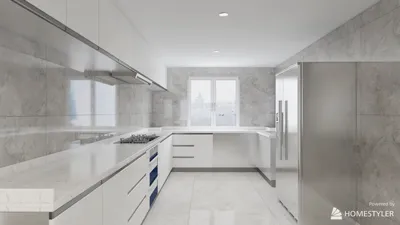


I create kitchens that combine functionality with aesthetics, where a thoughtfully designed larder unit often plays a crucial role. When executed properly, this larder enhances daily efficiency, minimizes visual noise, and helps keep perishables fresh and accessible. The most effective larder systems incorporate clear organization, easy access, and durable materials, aligning with how families cook, snack, and entertain.
Research consistently indicates that our surroundings influence our actions: studies on workspace environments by Steelcase Research reveal that organized and visually clear spaces can alleviate mental fatigue and decision-making strain. In home settings, this results in quicker meal preparations and fewer instances of buying duplicate items. Lighting is also essential; the IES suggests that a task illuminance of 300–500 lux is ideal for food preparation areas, making it a smart choice for illuminating larders so labels can be easily read and colors stay vibrant.
Colors have the subtle power to influence how we retrieve items. Warm, muted tones make food appear more appealing without losing contrast, while vibrant accent colors can delineate different zones in the larder. The principles of color psychology suggest that cooler shades can project tranquility and order, which is beneficial for storing dry goods. By aligning color choices with their functional roles rather than purely decorative ones, the larder remains user-friendly even on hectic weeknights.
Types of Larder Units and Their Ideal Uses
Contemporary kitchens generally thrive with one of four larder types: full-height pantry cabinets with pull-outs, integrated alcoves hidden by pocket doors, tall bi-fold pantry walls, and freestanding pantries designed to look like furniture. For narrower kitchens, I often recommend full-height pull-outs, which allow access from both sides without any wasted corners. Pocket-door alcoves are excellent choices when a coffee nook or breakfast bar is included inside the larder, ensuring seamless workflow as the doors tuck away.
When your kitchen layout is still under consideration, utilizing a room layout tool can assist in visualizing door swings, spacing, and reachable areas before finalizing cabinet specifications. I suggest planning for 900–1,000 mm of aisle space in front of larders to facilitate easy movement for two people.
Prioritizing Ergonomics: The Reach Envelope
An effective larder design focuses on ergonomic access. Frequently utilized items should be placed between 450–1,400 mm above the floor to eliminate the need for bending over for spices or using step stools for cereals. Heavy items should be stored at knee to elbow height to avoid strain during lifting. I recommend progressive shelf depths: 150–200 mm for spices and condiments, 250–300 mm for dry goods and jars, and deeper pull-outs (350–450 mm) for bulk appliances. Tiered organizers enhance label visibility, while full-extension runners ensure nothing is left in the 'hidden third' of the shelf.
Lighting and Visibility: Combatting Food Waste
Adequate lighting is essential. Aim to install 90+ CRI LED strips along the cabinet’s sides for optimal label visibility without casting shadows. I set target brightness levels between 300–400 lux inside the larder, consistent with IES lighting recommendations, and prefer a neutral color temperature of 3500–4000 K to prevent shifts in food packaging colors. Diffusers can help minimize glare, while motion-sensor lights turn off automatically when the larder doors close, conserving energy.
Intelligent Zoning: For Dry Goods, Fresh Produce, and Appliances
Establishing distinct zones prevents chaos in the larder. I categorize these zones into three vertical sections: essential cooking items (spices, oils, grains) in the middle; snacks and breakfasts above; and heavier or bulk items below. If the larder houses appliances like a kettle or toaster, include a dedicated work surface at 1,000–1,050 mm with GFCI outlets and proper wire management. A concealed compartment for bread and a ventilated drawer for produce helps prevent spoilage. I utilize minimal labeling on shelf fronts—like small engraved tabs—to support organization while avoiding visual overload.
Acoustic Comfort and Door Design Features
Given that kitchens can be noisy places, a tall pantry fitted with hollow-core doors can amplify slamming sounds. I opt for soft-close hinges, dampening pads, and thicker 18–19 mm doors to increase sound insulation. Bi-fold and pocket doors minimize traffic zones in compact kitchens. If the larder doubles as a coffee center, consider lining the back interior with acoustic laminate or cork to reduce noise from equipment like grinders.
Material Choices: Durability, Cleanability, and Eco-Friendliness
Larders undergo daily wear from spills and handling. High-pressure laminate interiors are easy to clean and resistant to moisture, while melamine with ABS edge banding offers a budget-friendly option. For sustainability, opting for FSC-certified plywood and low-VOC finishes enhances indoor air quality. Pull-out frames in powder-coated steel are more durable than chrome. If timber fronts are preferred, select dense wood species or engineered veneers that resist warping near heat sources.
Visual Balance and Spatial Design
A full-height larder can dominate a space, so it's crucial to maintain visual balance by pairing tall structures with horizontal elements—like open shelves or a window—to avoid overwhelming the area. In smaller kitchens, I recommend a tall-to-base ratio of about 40:60 to ensure the larder feels cohesive and not top-heavy. Repeating vertical lines—via panel reveals or textured glass—adds rhythm while keeping the design uncluttered.
Ventilation and Heat Management
Incorporate discreet ventilation for any appliances housed within the larder. A slim grille under the worktop and a top vent should facilitate heat dissipation. Avoid placing the larder adjacent to ovens to prevent distortion in alignment due to temperature fluctuations. I typically advise a 30–50 mm gap at the back for cable routing and airflow, utilizing robust magnetic catches to accommodate minor expansion.
Managing Inventory: From Manual Methods to App Integration
No organizational system will succeed without a commitment to inventory management. Implement a First In, First Out (FIFO) approach using shallow bins and tiered racks to ensure expiry dates are prioritized—new items should go to the back while older ones are moved forward. Although transparent containers are helpful, it's wise to leave items in their original packaging for important information like expiration dates. For those who manage their inventory digitally, organizing items by meal type rather than by aisle layout can better reflect how families plan their meals.
Maximizing Space in Small Kitchens
In compact kitchens, clever mechanical solutions contribute to maximizing storage: swing-out corner larders, retractable pocket doors, and sleek pull-outs nestled between tall units and walls can create space efficiently. A 150 mm spice pull-out may effectively replace two cluttered shelves. For micro apartments, a freestanding armoire-style pantry with adjustable shelving offers flexibility as living arrangements change.
Smart Lighting Controls and Habit Formation
Incorporate motion sensors with short activation times—around 30–60 seconds—to encourage quick item retrieval habits. Tunable white lighting is optional; however, most households don't require dynamic changes in a larder. Dimmer switches aid night-time visibility without overwhelming brightness. Make sure switches are easily removable; for example, if a breakfast area is included, provide a dedicated task light toggle.
Safety and Child-Friendly Design Elements
Position hazardous items—such as alcohol or sharp utensils—above 1,500 mm or behind secure internal drawers. Soft-close runners prevent accidental finger pinches, and use shatter-resistant glass for any panels chosen. Clear labeling helps children and caregivers navigate the contents with confidence.
Streamlined Workflow: From Purchase to Shelf
I design a designated area near the larder—such as a counter or cart—for staging groceries before sorting them. Group shelf zones to reflect store categories specifically based on how your household operates. Ultimately, the goal is efficiency: the fewer the decisions needed from door to shelf, the more organized the larder is likely to remain.
Routine Maintenance: The Five-Minute Refresh
Short, weekly micro-resets prove more effective than extensive seasonal clean-outs. Spending five minutes each week wiping spills, rotating near-expiry items to the front, and adjusting shelf heights keeps the larder system fluid. Annually, conduct audits for duplicates and phase out specialty ingredients that no longer align with your cooking preferences.
Modern Larder Design Checklist
- Ensure 900–1,000 mm of aisle clearance in front of larder doors
- Maintain an interior lighting level of 300–400 lux at a color temperature of 3500–4000 K
- Center heavy items at heights that allow access between knee and elbow levels
- Utilize full-extension pull-outs rated for 45–60 kg
- Choose pocket or bi-fold door strategies for tighter spaces
- Include adequate ventilation within appliance zones
- Opt for discreet but consistent labeling
- Select finishes that are durable, easy to clean, and low in VOCs
FAQ
Full-height units generally reach heights of 2,200–2,400 mm, aligning with ceiling heights and appliance layouts. If ceiling heights exceed this, add a transom cabinet on top to avoid overwhelming the design.
Utilize 90+ CRI LED strips set at 300–400 lux and 3500–4000 K. Position them vertically near the front edges of the larder, employing diffusers to minimize glare and shadow, following the IES guidelines.
Pull-out shelves enhance visibility and accessibility in deeper cabinets. Fixed shelving can be effective if they are shallow and tiered, but avoid depths exceeding 300 mm unless equipped with full-extension runners.
Certainly. Integrate a worktop at around 1,000 mm, along with GFCI outlets, ventilation grilles, and organized cable management. Pocket doors can maintain accessibility without hindering flow in the kitchen layout.
Focus on effective lighting, shallow storage for smaller items, and FIFO (First In, First Out) for inventory management. Categorizing by meal type optimizes retrieval efficiency. Transparent bins are beneficial, though retaining original packaging is advisable for pertinent information.
High-pressure laminate or melamine with ABS edges are practical materials. Pair these with powder-coated steel pull-outs and low-VOC finishes to meet the indoor air quality recommendations in WELL v2.
Allocate 900–1,000 mm in front of the larder to ensure comfortable access and accommodate two-person traffic. When using bi-fold or pocket doors, minor adjustments to clearances can be made.
Yes, utilize neutral bases for better visibility while balancing subtle accent colors to create defined zones. Research on color psychology, such as those summarized on Verywell Mind, shows that cooler tones can assist in achieving a calmer retrieval experience.
Implement soft-close mechanisms, felt pads, and consider acoustic laminates or cork for the interior back panel to absorb noise from grinders and door slamming.
Absolutely. Consider using a freestanding pantry with adjustable shelving, slim pull-outs (150–200 mm), or an alcove featuring pocket doors to maximize vertical storage without extensive renovations.
Homestyler is your go-to online home design platform! With its user-friendly design tool, stunning 3D renderings, diverse design projects, and helpful video tutorials, you can effortlessly create and visualize your dream space. Unleash your creativity today!
지금 무료로 디자인하세요
































