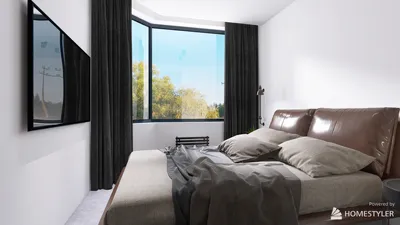


Creating miniature homes that evoke a sense of reality is a passion of mine. These small spaces must be complete, well-balanced, and rich in character. A successful miniature design goes beyond mere cuteness; it embodies principles of scale, lighting, color, ergonomics, and materials just as a real interior does. Consider this process a playful yet serious design challenge where you will fabricate a compact residence featuring realistic circulation, comfortable proportions, and inviting illumination, all facilitated by tools such as Homestyler.
Before diving into the hands-on work, it's essential to lay the foundation of your design. Focus on human factors and illumination. According to WELL v2, it’s recommended that ambient light levels reach approximately 215 lux for living spaces, while task lighting may vary from 300 to 500 lux, depending on the activities involved. When crafting miniatures, I maintain proportional ceiling heights—if utilizing a 1:12 scale, a 9 ft ceiling translates to 9 inches in your model—thus preserving the sense of volume. Research from Steelcase emphasizes the importance of clear circulation paths and designated zones, as these enhance spatial efficiency; I incorporate these principles into my designs, ensuring clean pathways and micro-zoning even on a miniature scale, often utilizing tools like Homestyler for layout.
Choosing the Right Scale and Layout
The first step is to determine your scale. Common options include 1:12 for a standard experience, 1:24 for compact designs, and 1:48 for ultra-small projects. Next, outline a tiny house program—this should encompass an entry area, a living nook, a small kitchen, a bathroom, a loft for sleeping, and a versatile workspace. I draft a layout that maintains a circulation loop with a minimum width of 1 inch at the 1:12 scale to simulate an inviting hallway. If you'd like to explore alternative configurations prior to cutting materials, consider using an interior layout planner—a helpful tool in Homestyler for visualizing clearances and furniture footprints with miniature-appropriate dimensions.
Choice of Materials and Construction
For building the structure, I utilize 3–5 mm foam core for the walls, basswood for the frame, and matte cardstock for the finishes. Basswood offers clean edges and can be easily sanded; foam core is quick to work with, especially for window openings. I recommend PVA glue for porous materials and cyanoacrylate for minute details. Opt for a neutral foundational color—warm white or light grey—then introduce different textures: use faux oak veneer for the floors, micro-tiles made from paper for bathrooms, and linen paper for wall panels. Even in modeling, sustainable choices can be significant; opt for FSC-certified basswood over PVC films wherever feasible.
Proportions and Visual Flow
To achieve convincing interiors, a strong architectural rhythm is key. I adhere to a composition of 60/30/10: 60% quiet surfaces, 30% textured accents, and 10% vibrant colors. Ensure that vertical elements—like window mullions or slat patterns—are in line with the heights of furniture pieces. In tighter areas like a living nook, situating a bench against one wall and a narrow shelf on the opposite side promotes balance; a bench depth of around 1 inch (at 1:12 scale) appears as a comfortable 12 inches in real life, creating a snug sit-and-store solution.
Lighting Considerations: Color Temperature and Glare Control
Effective lighting can greatly enhance the realism of your miniature. For an ambient glow, consider using micro-LEDs set at 2700–3000K; for task areas, such as a desk or kitchen, adjust the color temperature up to 3500K while ensuring proper shielding against glare. Position LEDs strategically behind baffles to minimize glare and utilize translucent vellum as a diffuser. Following IES guidelines for residential lighting, achieving a balance of ambient and task lighting reduces eye strain, a principle that holds true even in miniature photography. Incorporate subtle uplights in the living area and a small downlight above work surfaces, steering clear of direct light sources that could create harsh brightness.
The Psychology of Color in Small Spaces
Color significantly influences perception in limited areas. Soft blues and muted greens can evoke tranquility and a sense of spaciousness; research from Verywell Mind highlights blue's calming effects and ability to enhance focus. I lay a warm neutral base, adding a singular saturated accent—like rust, mustard, or marine—while keeping ceilings lighter to maintain the illusion of space. Avoiding high-contrast schemes at this scale is crucial; instead, mid-tone gradients coupled with layered materials can create an expansive feel.
Acoustic Considerations and Material Logic
Although your model won’t replicate sound, suggesting acoustic comfort enhances realism. Implement felt wall panels in your workspace, introduce a rug in the living area, and utilize slatted wood near the entrance; these elements convey a sense of texture and sound dampening. In miniature bathrooms, ensure that glossy tiles are balanced with matte ceilings to prevent visual glare. Properly edge-trim all floor components to maintain clarity in photographs.
Step-by-Step Construction Guide
1) Conceptualization and Planning: Identify your key spaces—entry, living section, kitchen, bathroom, sleeping loft, and work area. Quickly sketch a layout plan and section, focusing on desired circulation widths.
2) Selecting Scale and Gridding: Opt for either 1:12 or 1:24; create a floor grid for accuracy in layout. Outline furniture placements and vertical measurements.
3) Fabricating the Shell: Cut floors and walls from foam core; reinforce corners with basswood strips. Pre-cut openings for windows and doors, ensuring a test fit for glazing elements like acetate.
4) Applying Finishes: Start with flooring, then proceed to walls. Lay a wood veneer for the floor and paint walls in a matte finish to eliminate scale glare. Install baseboards using 2-3 mm wood strips.
5) Installing Lighting: Run LED wiring through wall cavities; add diffusers and baffles. Test color temperature before closing the structure.
6) Assembling Furniture: Construct simple modules such as a bench with storage, a slender desk, and a galley-style cabinet. Keep hardware minimal, using metallic cardstock for drawer pulls.
7) Detailing in the Kitchen and Bath: Sculpt a shallow sink from polymer clay, complementing it with a tiled backsplash made from scored paper. For showers, utilize acetate for screens, sealing edges neatly.
8) Loft Design and Stairs: Use a ladder or an alternating tread staircase to enhance space efficiency. Verify that the loft guardrail appears safe for the miniature scale, and keep the mattress slim for sufficient headroom.
9) Adding Style: Incorporate plants, books, and textiles strategically. Keep clutter to a minimum; showcasing a single vignette per area strengthens the overall design.
10) Capture the Model: Ensure lighting from two angles, utilize a reflector card, and photograph at miniature eye-level to preserve realism.
Considering Human Factors in Design
I configure seating heights to approximate 1 inch (1:12), counters at around 3 inches, and desks at 2.5 inches, mirroring real-life comfort levels. Clear lines of sight from the entryway to the living area enhance perception of space. Inspired by Steelcase’s studies into cognitive ease, I prioritize uncluttered work zones and micro-zoning: keep tools and work items within easy reach and harness concealed storage beneath benches.
Optimizing Storage Solutions
Utilize under-bench drawers, toe-kick pull-outs, and mounted shelves to maintain open floor space. Incorporate a rail system with hooks in entry zones, and use magnetic strips inside cabinets to eliminate bulky hardware. In lofted spaces, shallow bins along the guardrail can serve for bedding storage, while ensuring that door swings are narrow or utilizing sliding panels minimizes interference.
Aesthetic Trends for Tiny Homes (2024–2025)
Current trends point toward softer palettes, rounded edges, fluted textures, and multifunctional designs. Rounded corners in counters and shelves enhance the tactile appeal of miniature designs. Mixed natural materials such as basswood, cork, and linen paper convey a more authentic feel compared to glossy synthetic finishes.
Common Mistakes and My Strategies to Avoid Them
Oversized furniture often disrupts circulation flow. I begin by crafting volumetric layouts with scrap materials, adjusting until paths feel unobstructed. Harsh lighting can destroy an inviting atmosphere; I focus on diffusion and maintain a color temperature of 2700–3000K in residential areas. To prevent overwhelming visual clutter in tight space models, I restrict accents to a maximum of three materials.
Tips for Maintenance and Longevity
Seal paper finishes with a matte spray to prevent warping over time. Store models in a dust-free environment behind acrylic enclosures. Ensure that LED installations allow for easy rewiring, avoiding the use of permanent adhesives near fixtures.
Frequently Asked Questions
If you are new to miniature design, I recommend starting with a 1:12 scale for its manageable detailing and accessibility of materials. Alternatively, 1:24 allows for a compact footprint but requires meticulous craftsmanship for a polished look.
Aim for a color temperature range of 2700–3000K for ambient settings, rising to 3500K in task areas. Adding diffusers and baffles will help mitigate glare and hotspots.
Ensure main pathways are proportionately wide for your chosen scale. Plan a circulation loop that connects the entry, living space, kitchen, and bath without congested areas.
Materials like basswood, cork, linen paper, and matte cardstock not only photograph beautifully but avoid overly reflective finishes unless simulating tile or metal surfaces.
Absolutely. Using light neutrals with a single mid-tone accent can enhance the perception of space. Soft blues and greens inspire calm, while high-contrast elements can make small areas appear more cramped.
Incorporate acoustic comfort through materials such as felt panels, rugs, and slatted wood; these can convey a sense of sound absorption and tactile richness despite the model’s silence.
Efficient storage options, including under-bench drawers, toe-kick pull-outs, and wall-mounted shelves are key. Sliding doors or panels can help to mitigate conflicts in tight spaces.
Definitely. Test various room footprints using paper templates or leverage a space planning tool such as Homestyler to fine-tune your clearances and zoning effectively.
Position lighting behind baffles, integrate vellum diffusers, and select warm hues for color temperatures. Indirect lighting creates a more organic feel at miniature scale.
Using a matte clear spray can prevent warping and fingerprints while maintaining a natural look without glossiness.
Homestyler is your go-to online home design platform, ideal for anyone looking to transform their space effortlessly. With its user-friendly design tool, stunning 3D renderings, and inspiring DIY video tutorials, you can easily visualize and create your dream home. Start designing today!
Design Now for FREE
































