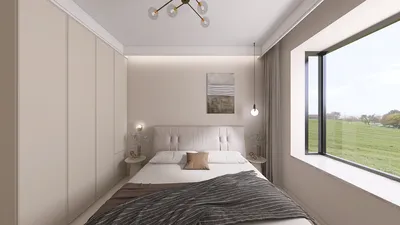


When creating dollhouses, I apply the same methodology as designing full-sized interiors: I begin with a distinct vision, outline the layout to scale, and meticulously add details that influence mood and interaction. Miniature designs amplify every design choice — proper proportions and lighting create an immediate sense of realism, while careless joins or overly bright colors shatter the illusion of authenticity.
Adhering to scale is crucial. I typically utilize a 1:12 scale for traditional dollhouses or a 1:24 scale for smaller constructions, mapping pathways as one would in actual architecture: for example, a living room at 5.5" x 7.5" in a 1:12 scale mimics a cozy 11' x 15' real-world space. Evidence shows that well-thought-out spatial planning leads to greater efficiency — findings from Gensler support that well-designed environments significantly enhance performance, which also applies to the layout of miniature spaces where an intuitive flow feels appropriate even at reduced sizes (source: Gensler Research Institute). Additionally, lighting is paramount; the recommendations from the Illuminating Engineering Society stress the importance of suitable lighting conditions and glare management, which reminds me to diffuse LEDs in my dollhouses to maintain realistic illumination (source: IES standards).
The selection of colors significantly impacts perceptions in miniature settings. Warmer tones within a 2700–3000K light range soften outlines and enhance comfort, which aligns with color psychology studies indicating that warmer palettes are typically more welcoming and less sterile (source: Verywell Mind, color psychology). To promote a sense of well-being, I apply guidelines from WELL v2 concerning visual comfort and material safety by opting for low-VOC paints and using diffused light sources in my miniature light installations (source: WELL v2).
Crafting the Concept and Storyline
A persuasive dollhouse begins with a narrative. I establish the time period, climate, and character personas. For instance, a 1920s craftsman design evokes heavier trimming, divided-light windows, and earthy shingles; a coastal micro-cottage leans towards whitewashed surfaces, textured fabrics, and weathered brass accents. Once the tale is characterized, material and color selections become clearer and less arbitrary.
Designing the Layout to Scale
I initiate with a bubble diagram outlining the sleeping, cooking, and social areas, before refining it into scaled drawings. I ensure doorways maintain a clear width of 2.25"–2.5" in 1:12 scale, adhering to at least a 1.5" corridor width to avoid cramped spaces. For realism in cross-ventilation, I position windows on both sides when possible. For trying different furniture layouts, utilizing an interior layout planning tool can help visualize spatial relationships and sightlines prior to cutting any actual materials.
Material Selections: Kits Versus Custom Builds
Kits streamline the initial structure — precision-cut components ensure accurate angles. Custom builds, however, offer the flexibility to tailor unique features like roofing styles, bay windows, and lofts. I prefer using 1/8" birch plywood for sturdier walls and 3/16" foam core for prototypes. It's essential to dry-fit all panels using painter’s tape before applying glue; ensuring squareness now can prevent adjustments later.
Illuminating Miniatures with Realistic Logic
My lighting strategy consists of three layers: ambient (soft LED strips concealed within recesses), task (tiny pendants above counters), and accent (sconces for soft light on bricks). Consistency in LED color temperature is key—2700K for inviting living spaces, 3000K in kitchens or studios. I conceal drivers in attics or under stairs, and always ensure to diffuse light—using rice paper, frosted beads, or thin vellum helps to soften glaring points. I incorporate a micro-dimmer to adjust lighting for evening presentations, reducing to a subtle 20–30% for a warm glow.
Acoustic and Material Choices for Authenticity
In models, sound is non-existent, yet materials still convey acoustic intentions. Fabrics, carpets, and curtains can absorb noise; while shiny tiles and bare wood appear lively and bright. I enjoy mixing textures — burl wood, satin finishes, and matte bricks — to introduce visual rhythm. I utilize waste wood for flooring, coffee stir sticks for shiplap, and authentic slate pieces for outdoor areas. Water-based adhesives are my preference to prevent yellowing and off-gassing.
Understanding Color Psychology in Miniatures
Shades of blue promote tranquility in bedrooms, but I adjust saturation to prevent a toy-like appearance. Soft greens work beautifully for kitchen cabinets with brass pulls. Vibrant colors should be used sparingly on small decorative items like vases and artwork, ensuring the overall shell of the house maintains a timeless aesthetic. A consistent underlying tone across rooms helps create a harmonious flow.
Furniture Scale and Ergonomics
In a 1:12 scale, a seat height of approximately 7/8" corresponds to real-world 17" seating. Dining table heights around 2.5" allow chair arms to slide underneath easily. Initially, I create mock-ups with cardstock blocks; if the layout feels comfortable when viewed as silhouettes, the final product will likely function well. Remaining consistent with a spacing of 1" to 1.25" between the miniature sofa and coffee table promotes logical reach.
Facade, Roofing, and Visual Appeal
The exterior charm ensures the illusion is captivating. I slightly bevel clapboard siding to enhance light reflection, layer two trim designs around windows for added depth, and stagger shingles with uneven edges to evoke age. A modest 2-3% desaturation of exterior colors prevents a synthetic look.
Joinery and Detailing Techniques
Pin registers assist with alignment: I drill small pilot holes in adjoining panels and insert cut pins during the assembly process. Elastic bands can be used for uniform pressure during clamping. For foam core projects, scoring and snapping is essential, and always back cuts with a steel ruler for added stability. I adjust baseboards to uneven floors to eliminate visible gaps.
Miniature Kitchens and Bathrooms
I employ actual tile sheets, cutting them to 1:12 proportions; sealing them with a matte finish mitigates the shine that can distort scale. Depth is crucial in galley kitchens, maintaining a counter depth of 2"–2.25" and a minimum aisle width of 1.5". In bathrooms, raising vanities slightly on shadow-line bases enhances realism by reducing their perceived bulk.
Windows, Glazing, and Daylight Fundamentals
Glazing achieves the best effect when it reflects light softly instead of shining like a mirror. I opt for acetate coated with a light matte finish. Positioning window headers in line across the façade provides visual harmony, while varying the heights of sills — lower in living areas and higher in bathrooms — allows for believable privacy considerations.
Landscaping and Streetscape Design
I scale plants with varying heights, such as 3/4" shrubs and 1.5" small trees. Foam can be shaped into berms, covered with fine turf or real dirt for authenticity. A narrow pathway that broadens near the entrance fosters a welcoming atmosphere.
Lighting for Photography
While capturing images of the completed house, I utilize cross-lighting with a main light source coupled with a soft fill to prevent flat visuals. Positioning the camera at 4"–6" from the ground matches the human eye line in a 1:12 scale. Incorporating a subtle window gobo can simulate daylight patterns gracefully across the flooring.
Access, Maintenance, and Modular Design
Design with accessibility in mind: removable roofs, magnetic back panels, or hidden hinges are crucial. Install wiring along a designed chase so that servicing LEDs doesn’t require major dismantling. Properly labeling every wire will ensure future maintenance is a breeze.
Fast-Track Build Schedule (Weekend Friendly)
Day 1 Morning: Concept development, scaled plan, material inventory. Day 1 Afternoon: Assemble dry-fit structure and glue parts together. Day 2 Morning: Primer and paint the shells, lay flooring. Day 2 Afternoon: Install lighting, add trim, and position two central furniture pieces. Remember to resist the urge to overfill; allowing negative space contributes to a more refined appearance.
Budget-Conscious Tips
Repurposing materials works wonders: coffee stir sticks can be used as hardwood flooring, toothpicks can serve as spindles, fabric remnants can act as upholstery, and jewelry components can create hardware. Printable wallpapers tailored to 1:12 scale can save significant time. Always conduct adhesive tests on scraps to ensure there are no unexpected finishes or warping.
Common Challenges and My Solutions
- Inconsistent color temperature: I maintain a uniform standard of 2700K across living spaces.
- Oversized wood grain: I prefer tight-grain veneers and soften with a satin finish.
- Warped walls: Laminate opposite faces to balance out tension.
- Overcrowding: I opt to eliminate one item per shelf, as negative space greatly enhances perceived realism.
Frequently Asked Questions
Begin with a 1:12 scale. It provides the best accessory variety, allowing for intricate details and manageable tolerances. If space is limited, 1:24 serves as a compact alternative with somewhat stricter precision requirements.
Translate actual measurements into a scaled format, then refine based on space utilization: living rooms typically scale to around 5.5" x 7.5" (1:12), bedrooms at 4.5" x 6", and kitchens can be approximated at 5" x 6". Always keep main pathways at least 1.5" wide in a 1:12 scale to ensure natural circulation.
Utilize 2700K lighting in living spaces and bedrooms to evoke warmth and comfort, while 3000K is more suitable for kitchens or studios where a brighter ambiance caters to task functions. Consistency is crucial to avoid jarring lighting transitions.
Moderate color saturation, diffuse each light source effectively, and strive for fine-grain materials. Incorporating minor imperfections — like worn stair edges or slightly uneven shingles — suggests a sense of history and usage.
I recommend PVA glue for wood connections, tacky adhesive for fabric applications, and thin cyanoacrylate for metal elements. Always carry out sheen and warping tests on sample pieces.
Design a vertical channel behind a removable panel or create an imitation chimney. Route wiring horizontally beneath baseboards, then vertically through studs to fixtures. Conceal drivers within attics, under stairs, or within porches.
Aim for a seat height of roughly 7/8" in 1:12 scale, dining tables near 2.5" tall, and ensure a spacing of 1" to 1.25" between sofa and coffee table. Test with cardstock models before committing to permanent constructions.
Select FSC-certified plywood remnants, utilize water-based finishes, and low-VOC paints, as well as reclaimed textiles. Ensure your LED systems are energy-efficient and accessible for serviceability for extended durability.
Employ a room design visualization tool to explore furniture arrangements, window placements, and traffic flows before cutting materials. Quick simulations with an interior layout planner can reveal early design issues.
Photograph at a miniature eye level, utilize a dominant lighting source with a softer fill, and introduce foreground elements that are slightly out of focus. A shallow depth of field can mimic genuine lens behavior effectively.
Homestyler is your go-to online home design platform! With its user-friendly design tool, stunning 3D renderings, and a wealth of inspiring design projects and DIY video tutorials, you can easily create and visualize your dream spaces—making home design fun and accessible for everyone!
立即免费设计
































