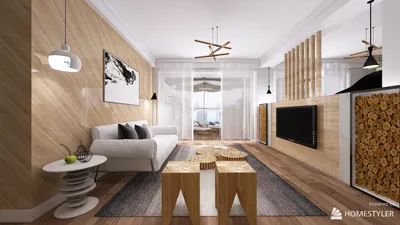


In my experience, working with a client who insisted on an avocado-green headboard that they claimed would "scream 1962" taught me a valuable lesson. I agreed to incorporate it into the design, and to my surprise, the entire room came together beautifully. This experience highlighted how a single bold decision can set the tone for an entire space. Throughout my journey, I've merged technology with artistic taste. Sometimes I sketch designs manually, while other times I draw inspiration from AI-driven interior design platforms like Homestyler to experiment quickly with color combinations. In smaller areas, every choice counts, revealing how fulfilling mid-century bedroom decor can be within those constraints.
1. Begin with a sculptural bed frame
Mid-century design is well-known for its tapered legs and sleek profiles, making it essential to select a bed that resembles actual furniture rather than just a basic box. I suggest using warm woods like walnut or teak, as they not only age gracefully but also conceal everyday marks more effectively than painted finishes. While solid wood can be a bit more expensive, a standout headboard allows you to save on decorations elsewhere.
2. Maintain a restrained color palette and introduce one surprising accent
Opt for warm neutral tones complemented by a single vibrant color—like mustard, teal, or olive. I once designed a compact room with soft gray walls and a bold mustard throw; visitors would often ask how such a small space felt so inviting. The key is to achieve balance; incorporating too many vibrant elements can easily disrupt the refined mid-century aesthetic.
3. Implement multifunctional vintage-inspired storage solutions
Storage options such as cabinets with sliding doors and low dressers are both timeless and functional, effectively concealing clutter while maintaining a smooth visual flow. For clients uncertain of their layout, I often recommend creating a custom floor plan using tools like Homestyler to visualize how furniture like dressers, desks, and chairs will fit into the space. Your choice of storage can significantly enhance or hinder a small bedroom's functionality, so opting for smart designs can alleviate future hassles.
4. Layer your lighting: include task, ambient, and decorative accents
Combine wall sconces, a brass-finished bedside lamp, and a warm ceiling fixture for a cozy atmosphere. From past renovations, I've learned that improperly placed lighting can overshadow even the most exquisite furniture, while thoughtful layering allows wood grains and textiles to truly shine. However, be aware of wiring challenges; a stylish wall sconce might lead to a small electrician's bill.
5. Use textiles, patterns, and a safe pathway to boldness
Incorporating rugs with geometric patterns, lightweight linen curtains, and throw pillows of varying scales can lend character to a room while avoiding clutter. When clients express concerns about bold choices, I illustrate potential outcomes through realistic 3D renders, which they can achieve using Homestyler. Witnessing the envisioned atmosphere in advance boosts their confidence, allowing them to refresh a mid-century space seasonally without extensive renovations.
FAQ
Q1: What are the essential elements of mid-century bedroom decor?
To deliver an authentic look, I always advocate starting with a sculptural bed, complemented by a low dresser and a minimalist bedside lamp. Adding a geometric rug and an accent chair will complete your vision.
Q2: Is mid-century style suitable for very small bedrooms?
Absolutely—the principles of mid-century design emphasize proportion and clarity, which can actually enhance compact spaces. Choose furniture that has a low profile and prioritize multifunctional storage to keep the area feeling open and light.
Q3: What color schemes are characteristic of mid-century bedrooms?
Look for warm woods paired with neutral backdrops, with one striking color accent—such as mustard, teal, olive, or burnt orange. Keep larger areas sober while incorporating colors into textiles or on a single wall for a dramatic effect.
Q4: Are reproduction mid-century furniture pieces worthwhile?
Many reproductions provide a more affordable aesthetic and can be ideal for tighter budgets, yet original pieces often feature superior materials. To ensure longevity, consider investing in one high-quality piece, like a bed or dresser, and combine it with budget-friendly accents.
Q5: How can I integrate modern technology with mid-century decor?
Conceal cables, utilize warm-toned bulbs, and select sleek, minimal tech accessories to maintain harmony with your furniture's lines. Personally, I've installed smart lighting behind mid-century sconces, blending modern convenience with classic charm.
Q6: What size rug is recommended for a mid-century bedroom?
Aim for a rug that extends at least 18 inches beyond the sides and foot of the bed to create a cohesive and intentional look. A rug that's too small can make even the most polished layouts appear incidental.
Q7: How do I care for mid-century wooden furniture?
Use a soft cloth, a gentle cleaner, and furniture oil occasionally; steer clear of silicone polishes that can accumulate over time. Regular, delicate maintenance will preserve the finish and diminish the need for refinishing.
Q8: What is the origin of mid-century design and its ongoing popularity?
Mid-century modern design emerged in the mid-20th century as a response against excessive ornamentation, favoring functionality and crisp lines. Major institutions like the Museum of Modern Art (MoMA) chronicle its history and impact (visit moma.org). Its timeless proportions and focus on quality materials contribute to its sustained relevance in modern interiors.
Homestyler is your go-to online home design platform! With its user-friendly design tool, stunning 3D renderings, and a wealth of inspiring design projects and video tutorials, you'll effortlessly create your dream space, regardless of your experience level. Transform your home today!
今すぐ无料でデザイン
































