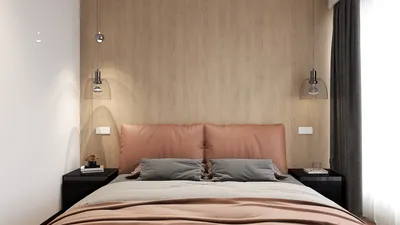


In the realm of interior design, the role of light cannot be overstated; it is a pivotal factor that has the potential to entirely alter the ambiance of a space. Appropriate lighting not only highlights the aesthetic appeal of a room but also creates a certain mood, significantly contributing to the overall experience. For homeowners and design enthusiasts aiming to enhance their interiors, a thorough understanding of lighting specification is indispensable. Knowing how to effectively leverage both natural and artificial lighting sources is essential for realizing the desired atmosphere in your interior design endeavors. Natural light is fundamental to any space and should be integral to the design blueprint. Thoughtfully positioned windows, skylights, and openings can harness daylight effectively, minimizing the reliance on artificial sources during daylight hours. Yet, it's crucial to balance this natural illumination with window treatments to mitigate glare and ensure privacy. Factors such as building orientation, the local climate, and the surrounding landscape play a crucial role in influencing how light enters a home, and these should be thoroughly assessed during the design phase. Artificial lighting comes in many varieties, each tailored to fulfill specific functions. Ambient lighting serves to provide general illumination, while task lighting is designated for specific activities, such as cooking or reading. Accent lighting, on the other hand, is utilized to draw attention to distinct elements in the room, such as unique architectural features or artwork. When selecting artificial lighting, pay attention to the color temperature, measured in Kelvins, as this can range from warm to cool shades, impacting the atmosphere of the room significantly. Additionally, the selection of light fixtures plays a significant role in light specification. Options like pendant lights, chandeliers, wall sconces, and recessed lighting can all enhance the comprehensive design of your space. It’s important to choose fixtures that harmonize with the overall theme of the room. For a contemporary feel, minimalistic designs with refined lines are effective, whereas vintage or rustic lighting can add a delightful touch to classic settings. Energy efficiency is another vital aspect to consider when choosing lighting. LED lights are increasingly favored for their extended lifespan and low energy usage. They come in a multitude of styles and color temperatures, making them adaptable for varied design preferences. Furthermore, integrating smart lighting solutions provides enhanced control over brightness and color, which can augment the space's functionality. Finally, attention should be paid to the strategic positioning of light sources. By layering different lighting types and placing fixtures thoughtfully, a room can gain depth and dimension. For instance, combining overhead fixtures with floor and table lamps can balance utility and create an inviting ambiance. The end goal is to achieve a well-rounded and aesthetically pleasing lighting arrangement that meets the practical needs of the space and mirrors individual style preferences. In conclusion, light specification is a core aspect of interior design that warrants careful consideration. By mastering the various lighting types, their functions, and effective incorporation into your designs, you can transform any interior into a stunningly illuminated sanctuary, possibly utilizing tools like Homestyler to visualize these enhancements seamlessly.
Tip 1:
Always evaluate the natural light present in your environment before introducing any artificial lighting solutions.
FAQ
Welcome to Homestyler!


Homestyler is your go-to online home design platform, perfect for both beginners and seasoned designers. With its easy-to-use design tool, stunning 3D renderings, and a plethora of DIY video tutorials, you can effortlessly transform your home ideas into reality and explore endless design possibilities!
立即免费设计
































