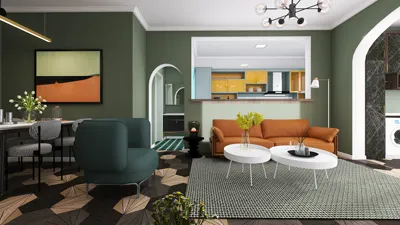


Creating effective lighting circuits is a vital component of both electrical engineering and home design. This process not only elevates the aesthetic quality of a space but also promotes energy efficiency and safety. Whether you're a passionate DIYer or an experienced professional, grasping the basics of lighting circuit design is essential. The first thing to consider when designing your lighting circuit is the intended purpose. Are you planning to illuminate a workspace, establish a warm atmosphere in your living room, or draw attention to specific artworks? Each type of space necessitates a distinct lighting strategy. Once you've identified the purpose, selecting the right lighting fixtures becomes key—options can vary from recessed lights to elegant chandeliers. Following this, you need to think about the arrangement of your circuit. This means deciding on the placement of switches, outlets, and fixtures. For simpler setups, a single pole switch is typically employed, allowing control of one light fixture from a single point. However, in larger areas, implementing three-way switches can provide control of the same fixture from different locations. When discussing wiring, it is crucial to comply with local electrical codes to ensure safety and reliability. Using the correct wire gauge is vital; most residential lighting applications use 14-gauge wire as a standard. Be mindful of the total wattage your fixtures generate to prevent circuit overload—for instance, a 15-amp circuit can accommodate up to 1800 watts. Integrating dimmer switches into your setup can also enhance versatility, enabling you to modulate the brightness based on mood or occasion, consequently promoting energy savings. Additionally, as technology advances, smart lighting systems are gaining traction, allowing control through smartphone apps or voice commands, which provides unmatched convenience and functionality. After deciding on the layout and selecting the necessary components, it’s advisable to create a circuit diagram. This blueprint will streamline the installation process, making everything more organized and efficient. Be sure to label each part clearly, including connections and wire colors. Once installed, conducting comprehensive testing before locking in your setup is essential. Ensure that each switch and fixture functions as intended and check for any potential electrical issues. Finally, aesthetics should not be overlooked in lighting design. Opt for fixtures that align with the overall décor of the space while delivering adequate illumination. Combining various types of light sources—such as ambient, task, and accent lighting—can result in a vibrant lighting scheme that enhances both the functionality and visual interest of the room. In summary, designing lighting circuits requires a careful balance between functionality, safety, and visual appeal. By focusing on the lighting purpose, planning your circuit design thoughtfully, adhering to safety protocols, and embracing cutting-edge technologies, including options like Homestyler, you can develop lighting solutions that enrich any environment while fulfilling the occupants' needs.
Tips 1:
Always seek advice from a licensed electrician if you have any uncertainties regarding your lighting circuit design.
FAQ
Q: How many lights can I place on a 15 amp circuit? A: The number of lights permissible on a 15 amp circuit is contingent on the wattage of the fixtures. Typically, you can safely connect 10 to 12 standard 100-watt bulbs.
Q: What function does a dimmer switch serve? A: A dimmer switch enables you to modify the brightness of your lighting, improving ambiance and conserving energy.
welcome to Homestyler


Discover the ease of home design with Homestyler! This user-friendly online platform offers powerful design tools, stunning 3D renderings, and a wealth of design projects and video tutorials. Perfect for anyone looking to transform their space into a stunning reality, no experience needed!
立即免费设计
































